North India (Mughlai-influenced) · Indian
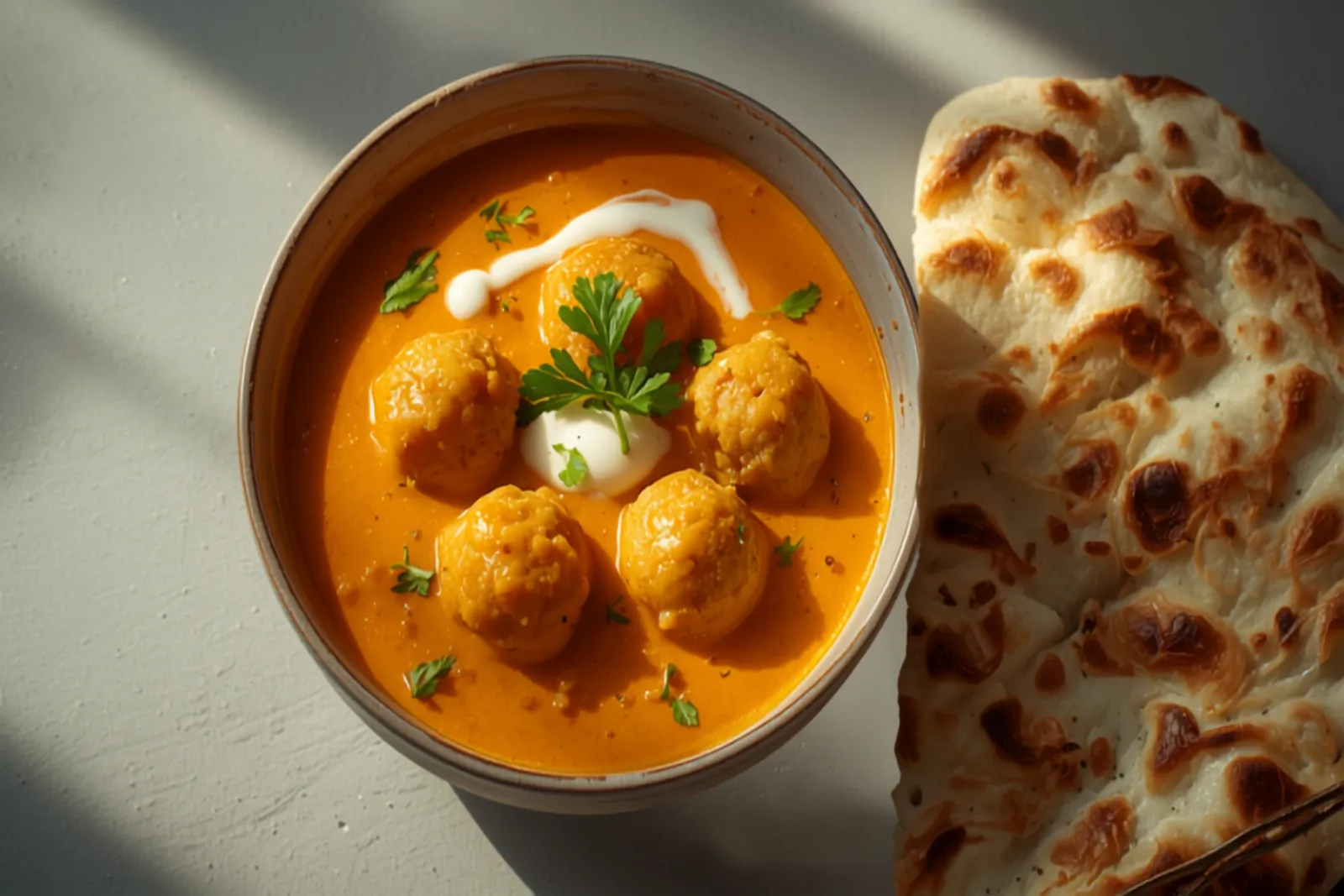
Malai Kofta (Paneer-Potato Dumplings in Creamy Gravy)
A vegetarian restaurant showpiece: soft paneer-and-potato dumplings in a rich, mildly sweet tomato-cashew gravy. Indulgent, festive, and made for special occasions.
Published July 29, 2026
Cultural context
Malai kofta is the vegetarian answer to the Mughlai meatball curries (kofta) of the royal kitchens — 'malai' meaning cream. Soft dumplings of paneer and potato stand in for meat, bathed in a luxurious nut-and-cream gravy. It's a celebratory, restaurant- and wedding-menu dish rather than everyday fare, prized for its richness.
Malai kofta is the vegetarian showpiece of the North Indian table — soft paneer-and-potato dumplings in a rich, mildly sweet tomato-cashew gravy. It’s the meat-free answer to the Mughlai kofta curries, with malai (cream) signalling its indulgence. This is celebration food: a wedding-menu, special-occasion dish rather than a weeknight one.
Kofta that hold together
The dumplings are the make-or-break. Bind well-mashed potato and grated paneer with cornflour into a smooth dough, tuck a few chopped cashews and raisins into the centre of each, and fry on medium so the shell sets golden before the kofta can break. If your test kofta falls apart, add a little more cornflour.
A velvet gravy
The gravy is restaurant-smooth by design: tomatoes, onion and soaked cashews simmered soft, blended, and sieved, then cooked down in butter with sugar, cream and kasuri methi. The cashews give body and a gentle sweetness; sieving gives the silk.
Combine at the last moment
The one rule that separates good malai kofta from soggy malai kofta: keep the kofta and gravy apart until serving, then add the dumplings just before they hit the table. Serve with naan or jeera rice. Pair with chicken korma for a rich Mughlai-style spread, or keep it vegetarian with palak paneer.
Ingredients
For the kofta
- 200 g paneer, grated
- 2 potatoes, boiled and mashed
- 2 tbsp cornflour Binds the kofta so they don't disintegrate while frying.
- 2 tbsp chopped cashews and raisins, 1 chopped green chili, salt, pinch garam masala
- oil, for deep-frying
For the gravy
- 4 tomatoes, chopped
- 1 onion, chopped
- 12 cashews, soaked
- 1 tbsp ginger-garlic paste
- 1 tsp Kashmiri chili, 1 tsp coriander powder, 1/2 tsp garam masala, 1 tsp kasuri methi, 1 tsp sugar
- 1/4 cup cream
- 3 tbsp butter or ghee
Method
Tap a step’s number to check it off as you go.
-
Mix grated paneer, mashed potato, cornflour, salt and garam masala into a smooth, pliable dough. Form balls, tucking a few chopped cashews and raisins into the centre of each. Deep-fry on medium until golden, then drain.
Why: Cornflour and well-mashed potato bind the kofta so they hold in the oil; a medium fry sets a golden shell without the dumpling breaking apart. The nut-raisin centre is the classic surprise.
-
Simmer the tomatoes, onion, soaked cashews and ginger-garlic until soft, then blend smooth and sieve.
Why: Blending and sieving gives the velvety, restaurant-smooth gravy malai kofta is known for; cashews add body and the gentle sweetness.
-
Cook the purée in butter with the dry spices for 10–12 minutes until it thickens and the butter separates, then stir in cream, sugar and crushed kasuri methi.
Why: Cooking the purée down concentrates the flavour; sugar balances the tomato, cream enriches, and kasuri methi gives the signature aroma.
-
Add the kofta to the gravy only just before serving (or pour the gravy over them on the plate).
Why: Kofta turn soggy if they sit in the gravy too long — adding them at the last moment keeps a little texture against the silky sauce.
A quick, anonymous tap — no review needed.
Variations
- Baked / air-fried kofta
Bake or air-fry the kofta with a light brush of oil for a lower-fat version (add extra cornflour so they hold).
- Lauki kofta
Use grated bottle gourd (squeezed dry) with the paneer for a lighter, traditional kofta.
- White gravy
Make a tomato-free white cashew-and-cream gravy (shahi) for a paler, milder kofta curry.
Serving & Storage
Serve hot with naan, butter naan, or jeera rice, with the gravy poured over the kofta and a swirl of cream and coriander on top. A festive-meal centrepiece.
Pairs with: Naan, Jeera rice, Garlic naan, Cucumber raita.
Storage: Store kofta and gravy separately — the gravy keeps 3 days refrigerated; fried kofta keep 2 days and re-crisp in an oven. Combine only at serving so the kofta don't go soggy.
Nutrition
Per serving (1 serving (3 kofta with gravy))
- Calories
- 520
- Protein
- 14 g
- Carbs
- 30 g
- Fat
- 39 g
- Fiber
- 4 g
- Sugar
- 11 g
- Sodium
- 560 mg
Notable micronutrients: Calcium, Vitamin C, Vitamin A
Estimated using standard ingredient data. Values vary with brands and substitutions.
Frequently Asked Questions
Why do my kofta break apart in the oil?
Too little binder or too much moisture. Make sure the potato is well-mashed and not watery, add enough cornflour, and fry on medium — not low — so the shell sets quickly. Test one kofta first; if it breaks, add a little more cornflour.
Can I make malai kofta ahead?
Yes, and it's the smart way to do it. Make the gravy and fry the kofta separately, refrigerate, then reheat the gravy and add the kofta just before serving so they keep their texture.
What gives the gravy its restaurant smoothness?
Soaked cashews blended into the tomato-onion base, then sieving the purée. The cashews add body and a gentle sweetness, and sieving removes any fibre for that velvety finish.
What to drink with this
All drinks →Hand-picked pours to match this dish.
North & West India (peak-summer drink across the subcontinent) · Indian
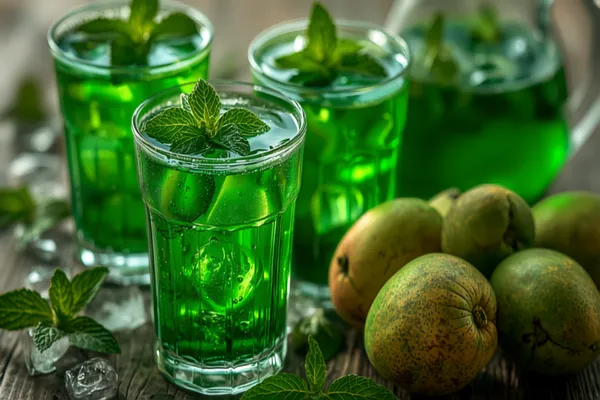
Aam Panna (Raw Green Mango Summer Cooler)
India's tangy, jade-green raw-mango cooler — roasted or boiled green mangoes blended with cumin, black salt and mint. The traditional heat-stroke remedy that tastes like summer.
Pan-Indian (North & West India) · Indian
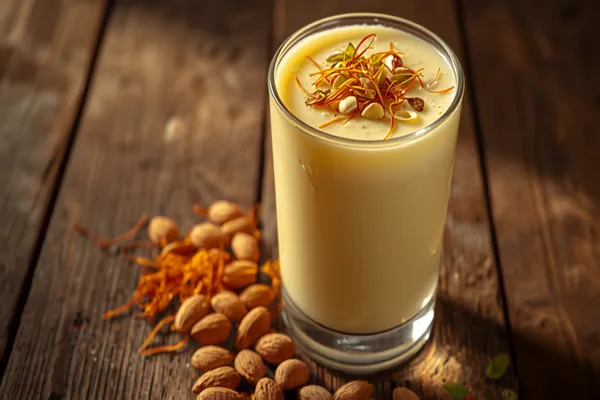
Badam Milk (Saffron Almond Milk)
Milk simmered with a paste of soaked almonds, saffron, cardamom and a whisper of nutmeg — India's rich, fragrant almond drink. Comforting served warm in winter, reviving served chilled in summer, festive any time.
Pan-Indian (Gujarat & West India especially) · Indian
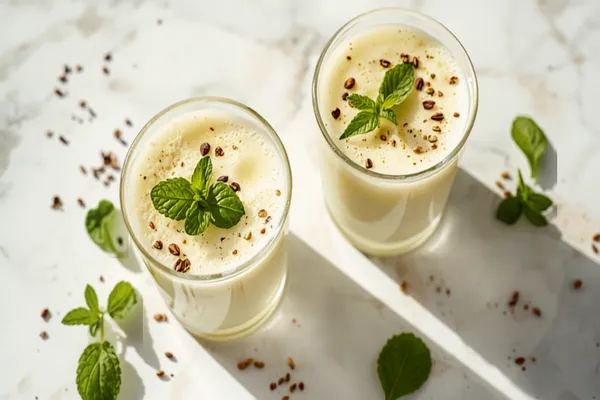
Chaas (Spiced Indian Buttermilk / Masala Chaas)
Whisked yogurt thinned with water and seasoned with cumin, green chilli, ginger and curry leaves — India's cooling, savoury buttermilk. A salty-tangy digestive that beats the heat and settles a heavy meal in two minutes.
From our kitchen community
Ratings & Reviews
My Rating
Tap a star to rate — no sign-in, no form needed.
My Review
0 Ratings
🥣 0 home cooks made it!
Be the first to rate Malai Kofta (Paneer-Potato Dumplings in Creamy Gravy).
Related Recipes
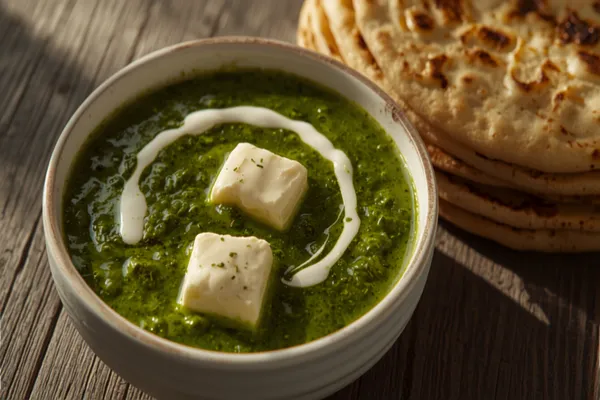
Punjab / North India · Indian
Palak Paneer (Spinach and Paneer Curry)
North India's beloved greens-and-cheese curry: soft paneer cubes in a bright, gently spiced spinach gravy. Vegetarian, quick, and a benchmark of a good home kitchen.
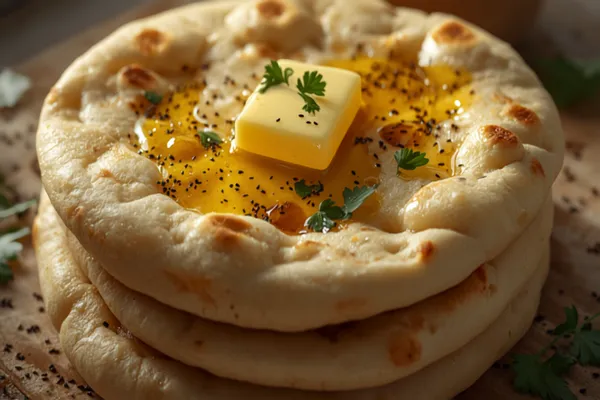
North India (via Persia and Central Asia) · Indian
Naan (Soft Leavened Flatbread)
The pillowy, blistered flatbread of North Indian restaurants — made at home on a hot skillet or under the broiler, no tandoor required. Soft, chewy, and brushed with butter.
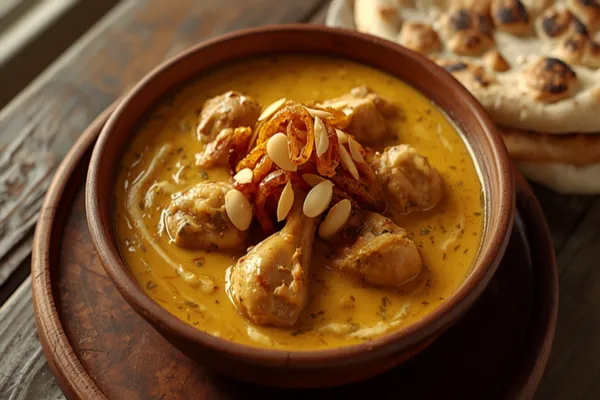
Mughlai (Delhi, Lucknow) / North India · Indian
Chicken Korma (Mughlai Creamy Curry)
A royal Mughlai curry: chicken braised in a mild, fragrant sauce of yogurt, fried onions and nut paste, scented with cardamom and saffron. Rich and aromatic rather than fiery.
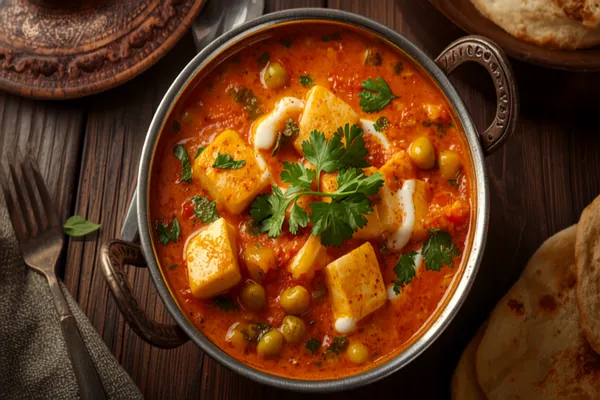
Punjab, North India · Indian
Matar Paneer (Punjabi Peas & Paneer Curry)
Soft paneer and sweet green peas simmered in a silky onion-tomato masala finished with kasuri methi and cream — the North Indian home-and-dhaba classic, rich but not heavy, and ready in under an hour.
Punjab & Delhi (North India) · Indian
Kadai Paneer (Restaurant-Style, with Fresh Kadai Masala)
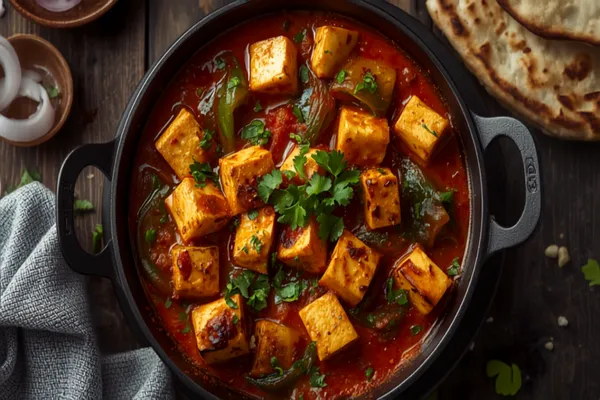
Paneer, onions and capsicum in a semi-dry tomato masala built on freshly pounded coriander seeds and red chillies — the peppery, aromatic North Indian classic named for the wok it's cooked in. Nothing like the flat, creamy versions.
Further reading
- Cultural Story · North IndiaA Complete Guide to North Indian CookingThe cuisine the world knows best — and understands least. From Punjab's tandoor and dairy to Kashmir's aromatic Wazwan and Awadh's courtly kebabs, a guide to North India's regions, techniques, and where to begin.
- Ingredient Deep DiveThe Indian Spice Pantry: A Beginner's MapYou don't need a hundred spices to cook Indian food — you need a dozen, and the know-how to use them. A practical guide to the essential Indian spices, what each does, and the techniques (tadka, bhuna, dry-roasting) that unlock them.