Japan · Japanese
Nigiri Sushi (Salmon and Tuna)
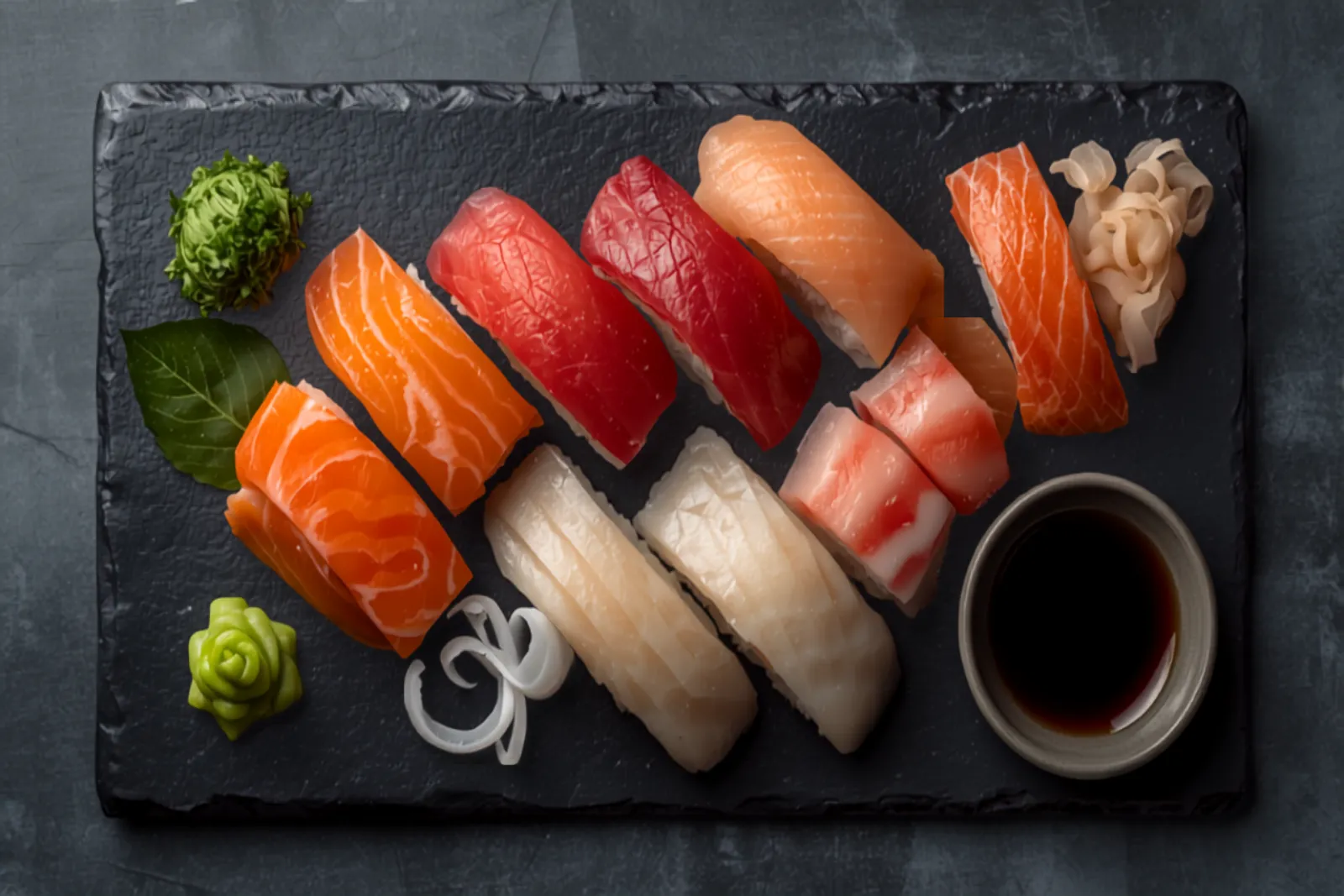
Hand-pressed Japanese nigiri — seasoned sushi rice topped with glistening slices of fresh salmon and tuna, with a dab of wasabi between. A lesson in sushi rice, the knife, and restraint, plus a simple maki roll to round out the platter.
Published June 24, 2026
Cultural context
Edomae nigiri — vinegared rice topped with fish — emerged as fast food in 19th-century Edo (Tokyo) and grew into one of the world's most refined cuisines. At home it's far simpler than the sushi counter suggests: the craft lives almost entirely in the seasoned rice and the freshness of the fish.
Nigiri looks like the most intimidating thing you could attempt at home, and it’s secretly one of the simplest — if you nail two things: the rice and the fish. Seasoned sushi rice, pressed by hand into neat ovals, topped with clean slices of sushi-grade salmon and tuna and a whisper of wasabi. A cucumber or avocado maki roll rounds out the platter.
Start with the rice
Sushi is really a rice dish. Rinse short-grain rice until the water runs clear, cook it well, then fold in warm seasoned vinegar with a cutting motion while fanning it cool. Glossy, seasoned, body-temperature rice is most of the battle.
Fish: freshness and a sharp knife
Buy only fish explicitly sold as sushi or sashimi grade, keep it very cold, and use it the same day. Slice with a sharp knife in one smooth pull across the grain — sawing tears the flesh and ruins the clean surface.
A gentle press
Wet your hands, shape a small oval of rice, dab wasabi on the fish, and press the fish over the rice with a light, confident touch. Packed too tight, nigiri turns dense; too loose and it falls apart. If raw fish isn’t for you, seared salmon, prawn, or sweet tamago make lovely toppings.
For more world classics, browse the full recipe collection or read the World Classics guide.
Ingredients
For the sushi rice
- 2 cups Japanese short-grain rice Rinse until the water runs clear; the starch is what makes it gummy otherwise.
- 2.25 cups water
- 4 tbsp rice vinegar
- 2 tbsp sugar
- 1 tsp salt
For the toppings
- 200 g sushi-grade salmon Buy fish explicitly sold as sushi/sashimi grade from a trusted source; freshness and food safety are paramount.
- 200 g sushi-grade tuna
- to taste wasabi
For a simple maki
- 2 sheets nori
- 1/2 cucumber or avocado, in strips
To serve
- soy sauce and pickled ginger (gari)
Method
Tap a step’s number to check it off as you go.
-
Rinse the rice until the water runs clear, then cook with the measured water (rice cooker or covered pot). Meanwhile warm the vinegar, sugar, and salt until dissolved.
Why: Rinsing removes excess surface starch for distinct, glossy grains; the seasoned vinegar is what turns plain rice into sushi rice.
-
Tip the hot rice into a wide bowl, pour the vinegar mix over, and fold gently with a cutting motion while fanning to cool to body temperature. Cover with a damp cloth.
Why: Cutting (not stirring) keeps the grains intact; fanning gives the rice its characteristic sheen and stops it turning stodgy. Body-temperature rice presses best.
-
Slice the fish: with a sharp knife, cut firm, clean slices about 7–8 cm long and 0.5 cm thick, drawing the blade in one smooth pull across the grain.
Why: A single clean draw of a sharp knife gives the smooth surface and clean edge that define good sushi; sawing tears the flesh.
-
Form nigiri: with wet hands, shape a small oval of rice (about 15 g), dab a little wasabi on the fish, and press the fish over the rice, curving your fingers to form a neat mound.
Why: Wet hands stop sticking; a gentle press holds the nigiri together while keeping it light — packed-tight rice makes a dense, heavy piece.
-
For maki: lay nori on a mat, spread a thin layer of rice leaving a border, add cucumber or avocado, and roll tightly using the mat. Wet the border to seal, then slice with a wet knife. Serve everything with soy, wasabi, and ginger.
Why: A thin, even rice layer and a firm roll keep maki neat; wetting the knife between cuts gives clean slices instead of squashed ones.
A quick, anonymous tap — no review needed.
Variations
- Vegetarian
Top nigiri with marinated shiitake, tamagoyaki (sweet omelette), or avocado; fill maki with cucumber, avocado, and pickled vegetables.
- Seared (aburi)
Lightly torch the salmon nigiri and brush with a little soy for a smoky, melting topping.
- Spicy tuna maki
Mix chopped tuna with a little mayo and chilli for a popular roll filling.
Serving & Storage
Serve fresh at room-temperature rice warmth with soy sauce for dipping (dip fish-side, lightly), wasabi, and pickled ginger to cleanse the palate between pieces.
Pairs with: Soy sauce, Pickled ginger, Miso soup, Green tea.
Storage: Eat the day it's made — sushi is not a keeper, especially with raw fish. Don't refrigerate hard, which turns the rice cold and hard.
Nutrition
Per serving (About 5–6 pieces (1/3 recipe))
- Calories
- 410
- Protein
- 26 g
- Carbs
- 58 g
- Fat
- 7 g
- Fiber
- 1 g
- Sugar
- 7 g
- Sodium
- 640 mg
Notable micronutrients: Omega-3, Vitamin B12, Selenium
Estimated using standard ingredient data. Values vary with brands and substitutions.
Frequently Asked Questions
Is it safe to make sushi with raw fish at home?
Only with fish explicitly sold as sushi or sashimi grade from a reputable supplier, kept very cold and used the same day. If you're unsure, use cooked toppings like prawn, smoked salmon, or tamagoyaki, or seared aburi-style fish.
What's the secret to good sushi rice?
Rinse the rice well, cook it properly, then fold in seasoned vinegar while fanning to cool. The rice should be glossy, seasoned, and at body temperature — it's most of what makes sushi taste like sushi.
Why does my nigiri fall apart?
Usually the rice is too dry or pressed too loosely, or your hands weren't damp. Use freshly seasoned, still-warm rice, wet your hands, and give a gentle but definite press.
What to drink with this
All drinks →Hand-picked pours to match this dish. Alcoholic pairings are for adults of legal drinking age (21+ in the US) — please drink responsibly.
Japan (matcha tradition, Uji & Nishio) · Japanese
Matcha Latte (Whisked Japanese Green Tea Latte)
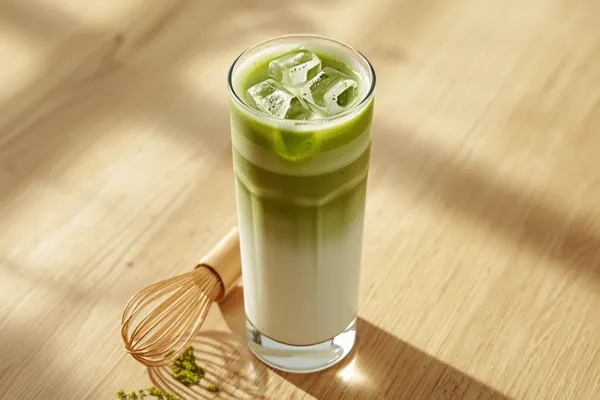
Stone-ground Japanese matcha whisked smooth and poured over steamed milk — grassy, sweet and gently caffeinated, with no bitterness when you make it right. A café favourite that's better and cheaper at home.
Japan (the chado tea tradition of Kyoto and Uji, home of Japan's finest matcha) · Japanese
Matcha (Whisked Usucha, Thin Tea)
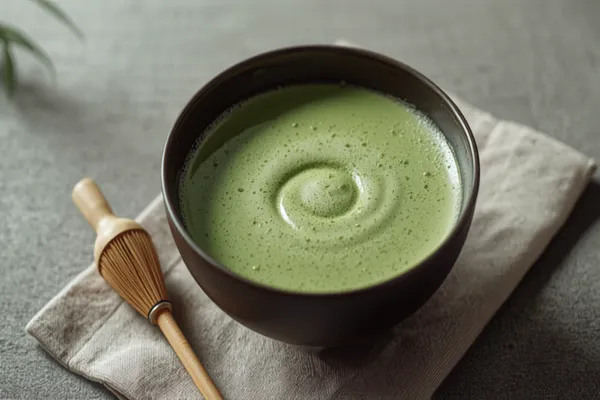
How to whisk a proper bowl of usucha — thin matcha — with a bamboo chasen: bright, jade-green, frothed to a fine foam, and faintly sweet-bitter. The everyday face of Japan's centuries-old tea tradition, ready in two minutes on a home counter.
 21+
21+ American bars (via Japanese Midori) · Japanese-American
Midori Sour (Melon Liqueur, Lemon & Lime)
The bright-green retro sour: sweet Midori melon liqueur balanced with fresh lemon and lime, lengthened with a splash of soda. A vivid, nostalgic crowd-pleaser — sweet-tart, low-proof and unmistakably '80s.
From our kitchen community
Ratings & Reviews
My Rating
Tap a star to rate — no sign-in, no form needed.
My Review
0 Ratings
🥣 0 home cooks made it!
Be the first to rate Nigiri Sushi (Salmon and Tuna).
Related Recipes
Japan · Japanese
Tonkatsu (Japanese Crispy Breaded Pork Cutlet)
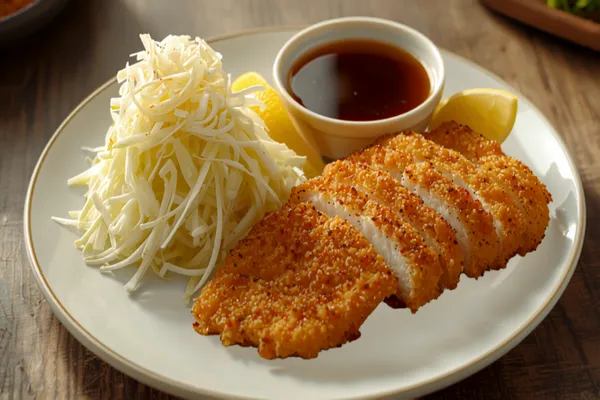
Japan's beloved breaded pork cutlet: a thick pork loin coated in airy panko and fried to a deep golden shatter-crisp, sliced into strips, and served with tangy tonkatsu sauce and a heap of shredded cabbage. Crunchy outside, juicy within.
Japan (nationwide home cooking; the donburi tradition is rooted in Tokyo) · Japanese
Oyakodon (Japanese Chicken and Egg Rice Bowl)
The Japanese home-cooking classic: chicken simmered with sweet onions in a dashi-soy broth, bound with barely-set egg and slid over hot rice. Fast, frugal, and deeply comforting — dinner in under thirty minutes.