Thailand · Thai
Pad Thai (Thai Stir-Fried Rice Noodles)
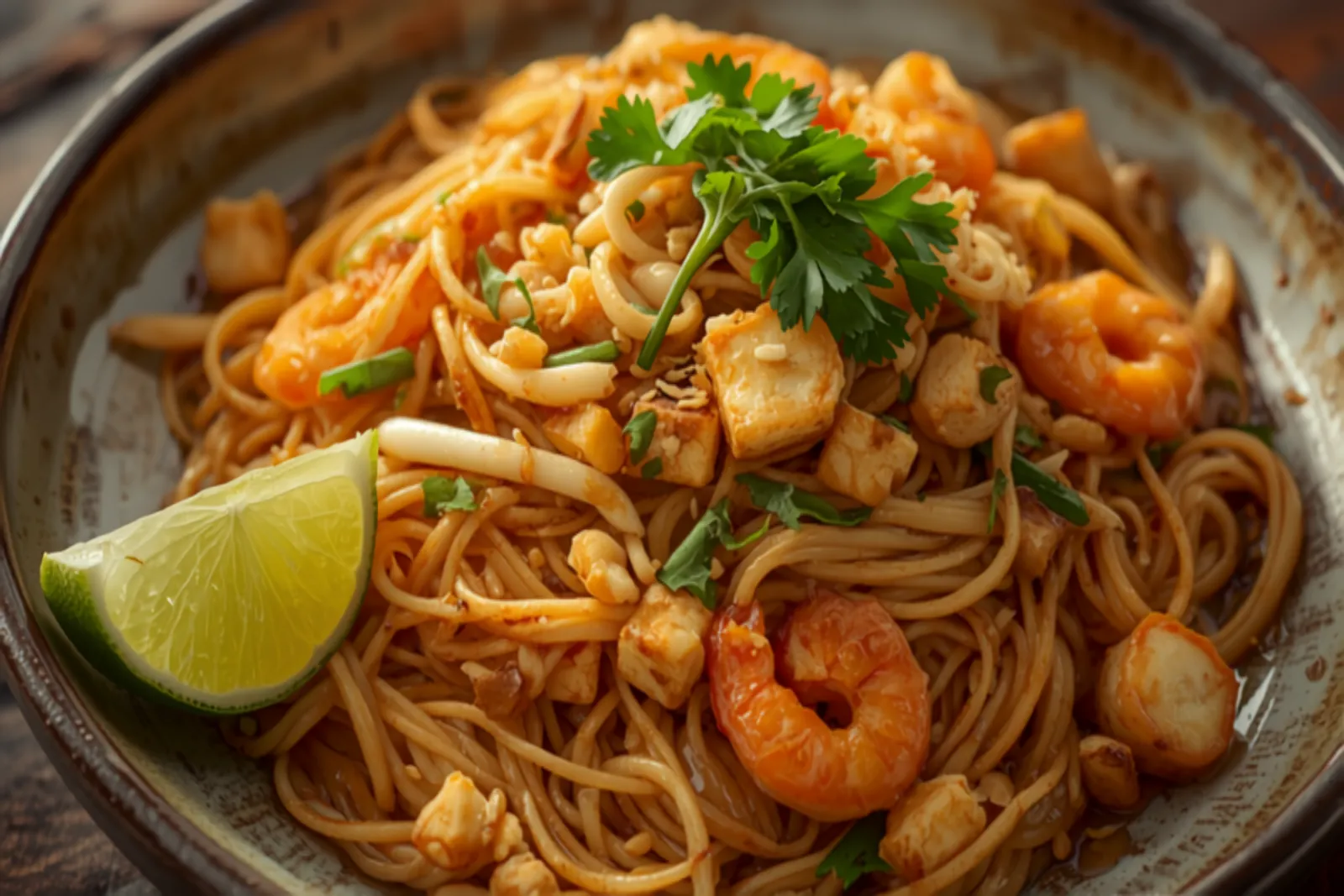
Thailand's most famous noodle dish — rice noodles tossed in a sweet-sour-salty tamarind sauce with prawns, tofu, egg, and crunchy beansprouts, finished with crushed peanuts and a squeeze of lime. A fast, balanced wok classic.
Published June 24, 2026
Cultural context
Pad Thai rose to national prominence in mid-20th-century Thailand and has since become the country's best-known dish abroad. At its heart it's a study in Thai balance — the tamarind sauce hitting sour, sweet, and salty at once — built fast in a hot wok and adjusted to taste at the table.
Pad Thai is the dish that introduced the world to Thai food, and for good reason — it’s a perfect little lesson in balance. Rice noodles are tossed in a tamarind sauce that lands sweet, sour, and salty all at once, with prawns, tofu, egg, and beansprouts, then finished with crushed peanuts and lime.
The sauce is the dish
Mix and taste your sauce before you cook: tamarind for sour, palm sugar for sweet, fish sauce for salt. Get that balance right in the bowl and the stir-fry is almost foolproof.
Soak, don’t boil
The most common mistake is mushy noodles. Soak the dried rice noodles in warm water only until pliable, drain them firm, and let them finish cooking in the wok as they drink up the sauce.
Hot and fast
Pad Thai is a wok dish — high heat, constant motion, everything prepped and within reach before you start. Add the beansprouts at the very end so they stay crunchy, and serve with peanuts, chilli, and lime so each person can tune their plate.
For more of the region, browse the full recipe collection or read the Southeast Asian cooking guide.
Ingredients
For the sauce
- 3 tbsp tamarind paste The defining sour note; don't substitute with ketchup.
- 3 tbsp palm sugar (or brown sugar)
- 3 tbsp fish sauce
For the noodles
- 200 g flat dried rice noodles Soak in warm (not boiling) water until pliable but not soft.
For the stir-fry
- 3 tbsp neutral oil
- 200 g prawns (or chicken)
- 100 g firm tofu, cubed
- 2 eggs
- 3 cloves garlic, chopped
- 2 tbsp dried shrimp and/or preserved radish, chopped (optional, traditional)
To finish
- 2 cups beansprouts
- 3 spring onions, cut into batons
- 1/3 cup roasted peanuts, crushed
- 1 lime, in wedges, plus chilli flakes
Method
Tap a step’s number to check it off as you go.
-
Make the sauce: gently warm the tamarind, palm sugar, and fish sauce until the sugar dissolves. Taste — it should be balanced sour, sweet, and salty. Soak the noodles in warm water until just pliable, then drain.
Why: A pre-mixed, tasted sauce lets you season the whole dish in one move; under-soaking the noodles keeps them from turning to mush in the wok.
-
Heat a wok very hot with oil. Fry the tofu until golden, add the prawns and garlic (and dried shrimp/radish) and cook until the prawns turn pink, then push everything to one side.
Why: A blazing wok and cooking proteins first builds flavour and the faint smokiness ('wok hei') good pad thai wants.
-
Crack the eggs into the clear side, scramble lightly, then add the drained noodles and the sauce. Toss constantly over high heat until the noodles absorb the sauce and turn tender.
Why: Scrambling the egg separately keeps it in soft curds; adding noodles and sauce together lets them cook and soak up flavour at once. Keep it moving so nothing sticks or clumps.
-
Toss in most of the beansprouts, spring onions, and half the peanuts for a few seconds, then plate. Top with the rest of the peanuts, the raw sprouts, chilli flakes, and lime wedges.
Why: Adding the sprouts at the very end keeps them crunchy; the peanuts, chilli, and lime at the table are how Thai eaters dial the dish to their own taste.
A quick, anonymous tap — no review needed.
Variations
- Vegetarian / vegan
Skip the prawns and dried shrimp, use extra tofu, and swap fish sauce for light soy or vegan fish sauce.
- Chicken pad thai
Use thin-sliced chicken thigh in place of prawns, cooking it through before adding the noodles.
- Extra tang
Add a little more tamarind and a final squeeze of lime if you like it sharper.
Serving & Storage
Serve immediately, with the lime, peanuts, chilli flakes, and extra sprouts on the side so everyone can adjust their own plate.
Pairs with: Lime wedges, Crushed peanuts, Thai chilli flakes, Raw beansprouts.
Storage: Best eaten fresh; leftovers keep a day refrigerated and reheat in a hot pan, though the noodles soften.
Nutrition
Per serving (1/3 recipe)
- Calories
- 520
- Protein
- 24 g
- Carbs
- 62 g
- Fat
- 20 g
- Fiber
- 4 g
- Sugar
- 16 g
- Sodium
- 1100 mg
Notable micronutrients: Selenium, Niacin, Vitamin E
Estimated using standard ingredient data. Values vary with brands and substitutions.
Frequently Asked Questions
How do I stop the noodles going mushy?
Soak dried rice noodles in warm — not boiling — water only until pliable, drain them while still firm, and finish cooking them in the wok with the sauce. Boiling them first is the usual culprit for mush.
What gives pad thai its flavour?
The sauce: tamarind for sour, palm sugar for sweet, and fish sauce for salty, balanced so no one note dominates. Dried shrimp and preserved radish add the traditional savoury depth.
Can I make it without a wok?
Yes — use your widest, heaviest skillet on the highest heat and cook in batches so the pan stays hot. Crowding it steams the noodles instead of frying them.
What to drink with this
All drinks →Hand-picked pours to match this dish. Alcoholic pairings are for adults of legal drinking age (21+ in the US) — please drink responsibly.
Thailand (street and market drink) · Thai
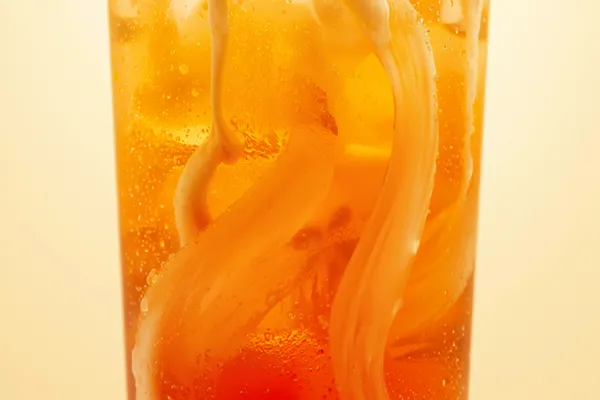
Thai Iced Tea (Cha Yen)
The bright-orange, creamy-sweet Thai street drink: strong spiced black tea sweetened with condensed milk and poured over ice with a float of cream. How to brew it strong and why it's so orange.
 21+
21+ Kuala Lumpur, Malaysia · Malaysian
Jungle Bird (Dark Rum, Campari & Pineapple)
The tiki drink with a bitter backbone: dark rum and Campari shaken with fresh pineapple and lime. Tropical and lush but grown-up and dry — the 1970s Malaysian classic that bridges tiki and the aperitivo world.
 21+
21+ Singapore (the Raffles Hotel Long Bar) · Singaporean
Singapore Sling (The Raffles Hotel Classic)
The tropical gin classic born at Raffles Hotel: gin, cherry liqueur, Bénédictine, citrus and pineapple, shaken into a frothy, ruby long drink. The full original build, not the sugary shortcut.
From our kitchen community
Ratings & Reviews
My Rating
Tap a star to rate — no sign-in, no form needed.
My Review
0 Ratings
🥣 0 home cooks made it!
Be the first to rate Pad Thai (Thai Stir-Fried Rice Noodles).
Related Recipes
Central Thailand / Southeast Asia · Thai
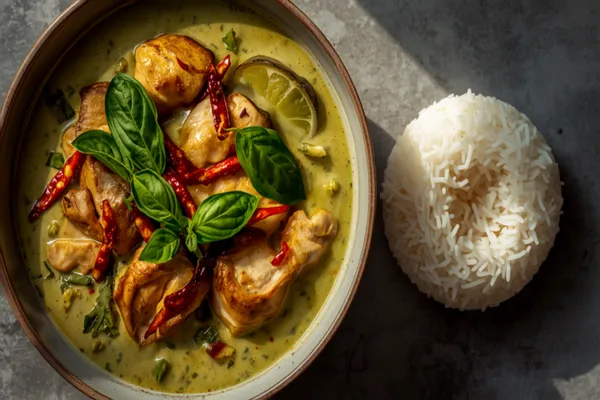
Thai Green Curry (Gaeng Keow Wan Gai)
Thailand's fragrant green curry, built the way it's meant to be: a fresh pounded paste bloomed in cracked coconut cream, chicken and Thai eggplant simmered to silk, finished with fish sauce, palm sugar, and a fistful of basil. Hot, sweet, herbal, and ready in under an hour.
Central Thailand / Southeast Asia · Thai
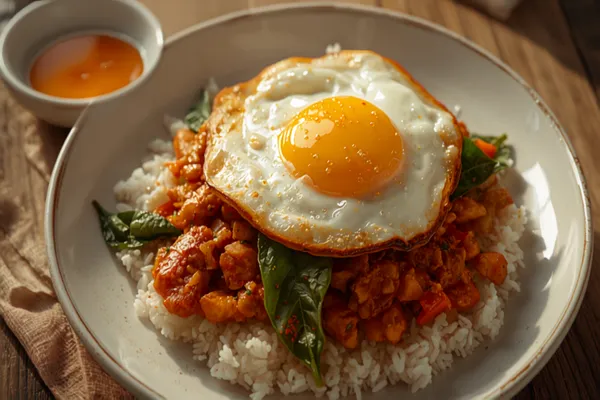
Pad Krapow Gai (Thai Basil Chicken)
The Thai street-food default and the country's unofficial fast food: minced chicken stir-fried hard with garlic and chili, seasoned with three sauces, and finished with a fistful of holy basil. Served over rice with a crisp-edged fried egg, it's dinner in fifteen minutes.
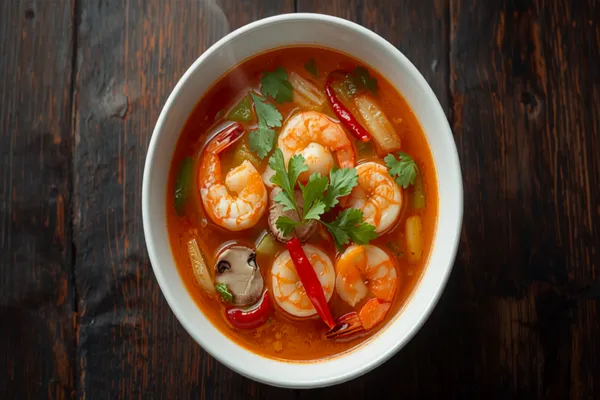
Central Thailand (Chao Phraya River basin) · Thai
Tom Yum Goong (Thai Hot and Sour Shrimp Soup)
Thailand's most famous soup — a fiercely aromatic broth of lemongrass, galangal and makrut lime, sharpened with lime juice and loaded with plump shrimp. Ready in about 35 minutes and brighter than anything a takeout container can hold.
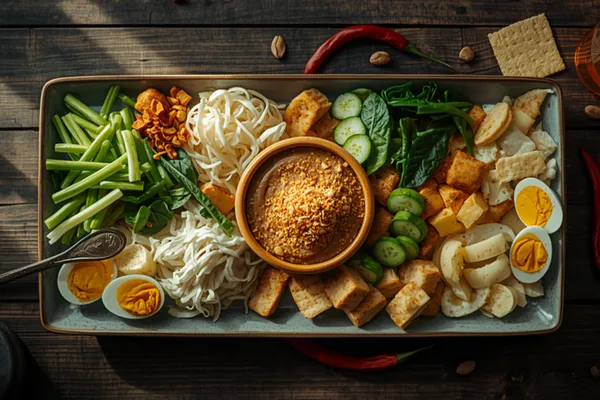
Java — the Sundanese west and Betawi Jakarta, where the dish took its familiar form · Indonesian
Gado-Gado (Indonesian Vegetable Plate with Bumbu Kacang)
Indonesia's national salad: blanched cabbage, long beans, bean sprouts and water spinach with potato, fried tofu and tempeh, boiled egg and lontong, under a ground sauce of fried peanuts, palm sugar, tamarind and chilli.
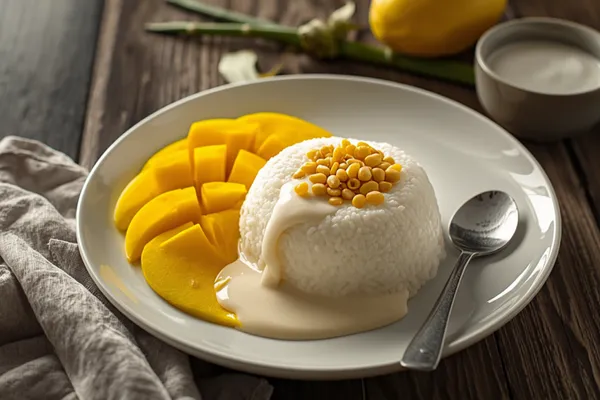
Central Thailand — the coconut-and-mango belt of the Chao Phraya plain, from Bangkok's dessert shophouses out to the orchards of Chachoengsao and Nakhon Pathom · Thai
Mango Sticky Rice (Khao Niao Mamuang)
Thailand's hot-season dessert: glutinous rice steamed over water, then soaked while hot in sweet-salty coconut cream until every grain swells glossy, served with a ripe nam dok mai mango and a spoonful of salted coconut sauce over the top.