Eastern India (Bengal) · Indian
Rasmalai (Chhena Discs in Saffron-Cardamom Cream)
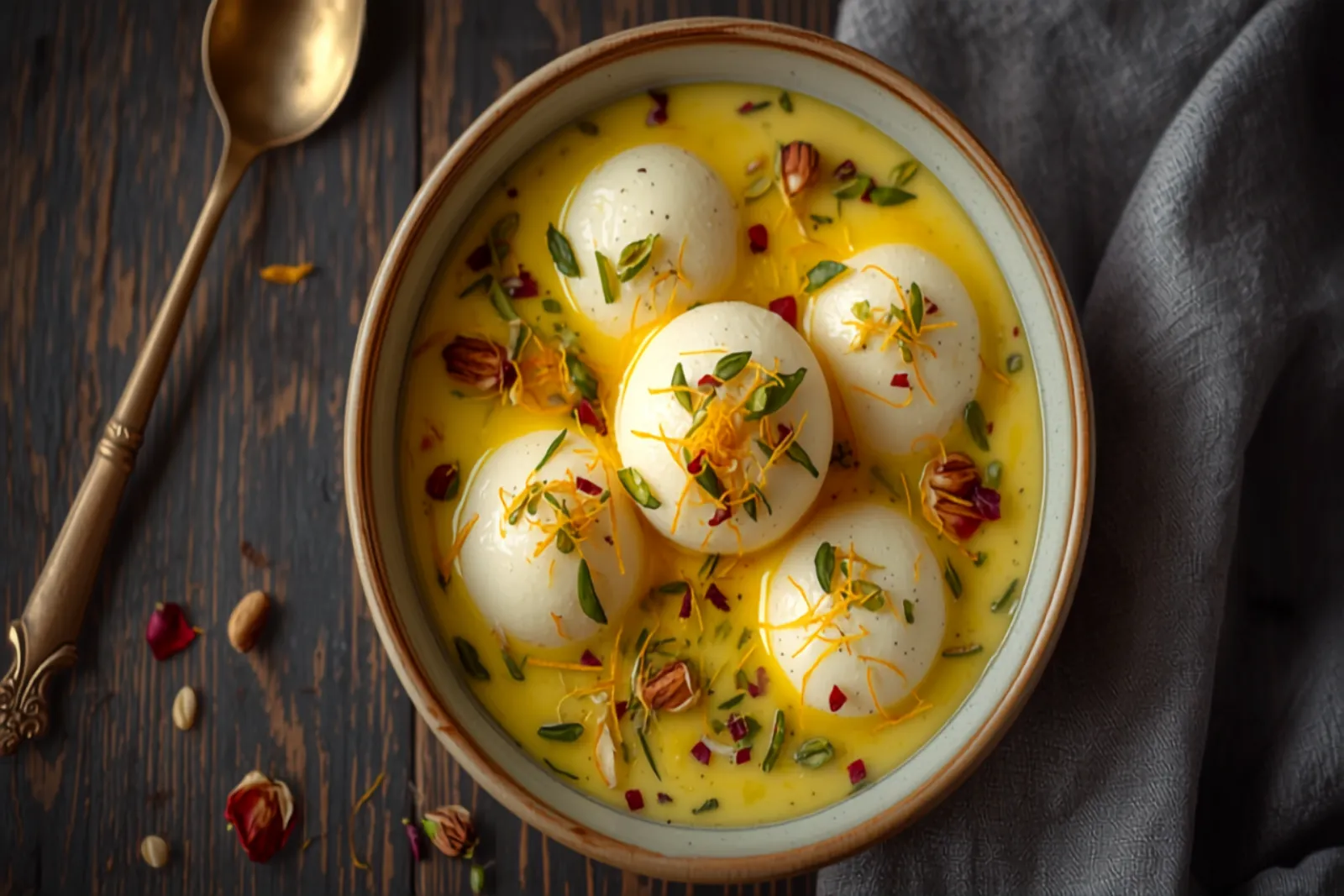
Soft, spongy discs of fresh chhena poached in syrup, then soaked in saffron- and cardamom-scented rabri (thickened milk) and showered with pistachios. Eastern India's most luxurious milk sweet, served cold.
Published July 3, 2026
Cultural context
Rasmalai belongs to the chhena-sweet tradition of eastern India — the same lineage as rasgulla and sandesh. The name joins the Bengali rosh (juice/sap) with malai (clotted cream): 'cream of the juice.' It's a festive and celebration sweet, served chilled at weddings, Durga Puja and Eid, and is treasured across Bengal (both West Bengal and Bangladesh, where Comilla's version holds a Geographical Indication).
Rasmalai is the most luxurious of eastern India’s chhena sweets: soft, spongy discs of fresh curd, poached until they puff, then chilled in rabri — milk slowly reduced with saffron and cardamom until it turns rich and golden. Where its cousin rasgulla drips with clear syrup, rasmalai is all cream and nuts, served cold and spooned over with fragrant milk. The name says it plainly: rosh (juice) and malai (clotted cream), the cream of the juice.
A sweet of the chhena belt
Rasmalai comes from the same tradition that gave the region rasgulla and sandesh — the eastern Indian art of chhena, milk curdled fresh and worked into sweets rather than aged into cheese. It’s a Bengali celebration sweet on both sides of the border; the town of Comilla in Bangladesh is famous enough for it to hold a Geographical Indication. Rather than crown a single inventor, it’s best understood as a jewel of Bengal’s milk-sweet culture, served chilled at weddings, Durga Puja and Eid alike.
Chhena is everything
Success lives and dies with the curd. Curdle full-fat milk gently, off the heat, with just enough diluted lemon to split it — then rinse away the sourness and leave a little moisture behind. The real work is the kneading: six to eight minutes with the heel of your hand until grainy curd becomes a smooth, faintly greasy dough. That transformation is what lets the discs swell in the syrup instead of cracking apart.
Flatten, poach, then squeeze
Shaping flat discs — not balls — is what makes this rasmalai and not rasgulla; the thinner shape drinks up far more rabri. Poach them in a thin, hard-boiling syrup so they nearly double, then here’s the trick most cooks miss: press the syrup out of each disc before it goes into the rabri. Those little vacuums pull the saffron-cardamom milk deep into the sponge, so every bite tastes of cream, not just sugar.
Rabri rewards patience
While the discs poach, reduce a second litre of milk low and slow, scraping the skin back in, until it’s a third of its volume and pale gold with saffron. Chill everything together for a few hours — overnight is better — so the discs soak through completely. For more of this tradition, see rasgulla and sandesh, or read the Bengali cooking guide.
Ingredients
For the chhena
- 1 litre full-fat cow's milk Cow's milk sets a softer, more absorbent chhena than buffalo milk. Full-fat is essential.
- 2–3 tbsp lemon juice or white vinegar, diluted with an equal amount of water Add gradually, just until the milk splits — excess acid makes the curd tough.
- 1 tsp fine semolina or plain flour A pinch of binder helps the discs hold together in the boiling syrup without cracking.
For poaching (syrup)
- 1 cup sugar
- 5 cups water A thin, watery syrup — the discs need room to swell as they poach.
For the rabri
- 1 litre full-fat milk This reduces to about one-third; use a wide, heavy pan so it thickens evenly.
- 1/3 cup sugar Add only after the milk has reduced, so it doesn't scorch.
- 1 generous pinch saffron threads Soak in 1 tbsp warm milk to bloom the colour and aroma.
- 1/2 tsp green cardamom, freshly ground
To garnish
- 2 tbsp pistachios and almonds, slivered
- a few extra saffron threads and dried rose petals, optional
Method
Tap a step’s number to check it off as you go.
-
Bring the litre of milk for the chhena to a boil, turn off the heat, wait a minute, then add the diluted lemon juice a little at a time, stirring gently, until the milk splits and the whey runs pale green and clear.
Why: Curdling off the heat and adding acid slowly gives a soft, pliable curd; boiling milk shocked with too much acid seizes into a rubbery mass.
-
Pour through a muslin-lined strainer, rinse the curd under cold water, and gather the cloth to squeeze out most of the whey. Hang for 20–30 minutes until it stops dripping but stays moist.
Why: Rinsing washes away the sour tang; leaving a little moisture keeps the discs tender. Over-squeezed chhena bakes into dense, cracked discs.
-
Tip the chhena onto a clean board, add the semolina, and knead with the heel of your hand for 6–8 minutes until it turns from grainy to smooth and faintly greasy and holds together like soft dough.
Why: This kneading is the make-or-break step — it develops the curd into a cohesive paste that swells without falling apart. Under-kneaded chhena stays grainy and cracks; over-kneaded turns oily and hard.
-
Divide into 10 balls, roll each smooth, then gently press into flat discs about 1 cm thick with no cracks at the edges.
Why: The flat shape is what distinguishes rasmalai from round rasgulla — a thinner disc soaks up more rabri. Smooth, crack-free edges won't split in the syrup.
-
Boil the sugar and 5 cups water into a thin syrup. When it's at a rolling boil, slide in the discs, cover, and boil on medium-high for 12–15 minutes; they should nearly double and look puffy.
Why: A hard, rolling boil and a watery syrup drive the discs to expand and turn spongy; a thick syrup or a gentle simmer leaves them dense and raw in the middle. Keep the lid on and resist peeking.
-
Meanwhile, make the rabri: bring the second litre of milk to a boil in a wide pan, then simmer on medium, stirring often and scraping the sides, until reduced to about a third and slightly thickened, 25–35 minutes. Stir in the sugar, bloomed saffron and cardamom.
Why: Reducing concentrates the milk into rich, faintly caramelised rabri; adding sugar early risks scorching, so it goes in near the end. Scraping the skin back in adds body.
-
Lift the poached discs out, cool them slightly, then gently press each between your palms to squeeze out the sugar syrup and drop them straight into the warm rabri.
Why: Squeezing out the syrup creates tiny vacuums in the sponge that then drink in the flavoured milk — this is why a good rasmalai tastes of saffron and cream all the way through, not sugar.
-
Simmer the discs in the rabri for 2–3 minutes, then cool and chill for at least 3–4 hours. Serve cold, spooning extra rabri over each disc and scattering with slivered pistachios and almonds.
Why: Rasmalai is a cold sweet — chilling lets the discs fully absorb the rabri and firms them into their signature soft-but-springy texture.
A quick, anonymous tap — no review needed.
Variations
- Quick (with milk powder)
Skip curdling and make the discs from milk powder, a little flour, egg or cream and baking powder for a same-day shortcut. The texture is denser than true chhena but forgiving for beginners.
- Rose or kewra
Add a few drops of rose water or kewra (pandanus) essence to the rabri for a floral North Indian–style finish.
- Angoori rasmalai
Make the discs tiny — grape-sized — for bite-size 'angoori' rasmalai that soak even faster and are lovely for a crowd.
Serving & Storage
Serve well chilled in shallow bowls with plenty of rabri, generously garnished with pistachios. A classic close to a festive Bengali or North Indian meal.
Pairs with: Masala chai, A festive thali finish, Fresh mango, in season.
Storage: Keeps 3 days refrigerated, submerged in its rabri. The flavour deepens overnight as the discs soak. Not suitable for freezing — the chhena turns grainy.
Nutrition
Per serving (2 discs with rabri)
- Calories
- 320
- Protein
- 12 g
- Carbs
- 38 g
- Fat
- 14 g
- Fiber
- 1 g
- Sugar
- 36 g
- Sodium
- 120 mg
Notable micronutrients: Calcium, Phosphorus, Vitamin B12
Estimated using standard ingredient data. Values vary with brands and substitutions.
Frequently Asked Questions
What's the difference between rasmalai and rasgulla?
Both start from the same chhena dumplings poached in syrup. Rasgulla stays round and is served in its light sugar syrup. For rasmalai you flatten the discs, squeeze out the syrup, and soak them instead in rabri — sweetened, saffron- and cardamom-scented thickened milk — then serve them cold with nuts. Rasmalai is the richer, creamier cousin.
Why did my discs turn hard or rubbery?
Almost always the chhena: it was over-drained or under-kneaded, or the milk was curdled with too much acid over high heat. Leave a little moisture, knead 6–8 minutes until smooth and slightly greasy, and make sure the syrup is at a full rolling boil before the discs go in.
Can I make rasmalai ahead for a party?
Yes — it's better made ahead. Chill it for at least 3–4 hours (or overnight) so the discs soak up the rabri fully. Garnish with nuts just before serving so they stay crunchy.
What to drink with this
All drinks →Hand-picked pours to match this dish.

Pan-Indian (the everyday tea of the subcontinent) · Indian
Masala Chai (Spiced Indian Tea)
India's daily ritual in a cup: black tea brewed with milk, sugar and freshly crushed spices. The proper stovetop method, plus how to build your own masala.

North & West India (peak-summer drink across the subcontinent) · Indian
Aam Panna (Raw Green Mango Summer Cooler)
India's tangy, jade-green raw-mango cooler — roasted or boiled green mangoes blended with cumin, black salt and mint. The traditional heat-stroke remedy that tastes like summer.
Pan-Indian (North & West India) · Indian
Badam Milk (Saffron Almond Milk)
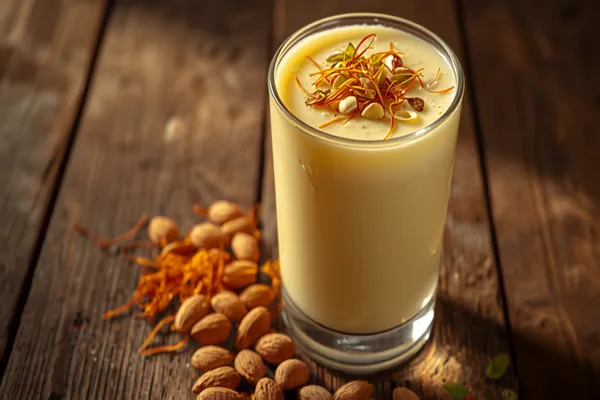
Milk simmered with a paste of soaked almonds, saffron, cardamom and a whisper of nutmeg — India's rich, fragrant almond drink. Comforting served warm in winter, reviving served chilled in summer, festive any time.
From our kitchen community
Ratings & Reviews
My Rating
Tap a star to rate — no sign-in, no form needed.
My Review
0 Ratings
🥣 0 home cooks made it!
Be the first to rate Rasmalai (Chhena Discs in Saffron-Cardamom Cream).
Related Recipes
Eastern India (West Bengal and Odisha) · Indian
Rasgulla (Spongy Chhena Dumplings in Syrup)
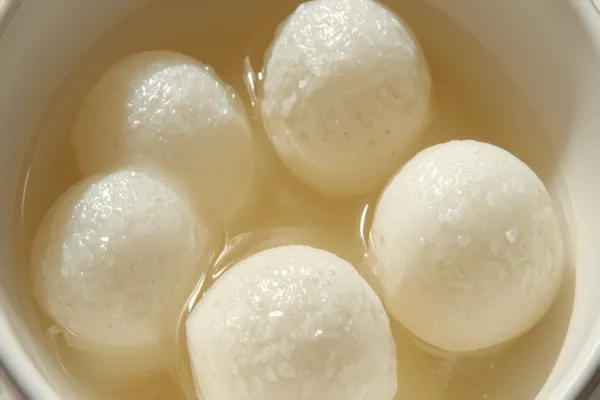
The cloud-soft sweet of eastern India: dumplings of fresh chhena (curdled-milk cheese) boiled in light sugar syrup until they swell into springy, syrup-soaked spheres. Deceptively simple, gloriously satisfying.
West Bengal / East India · Indian
Sandesh (Bengali Chhena Sweet)
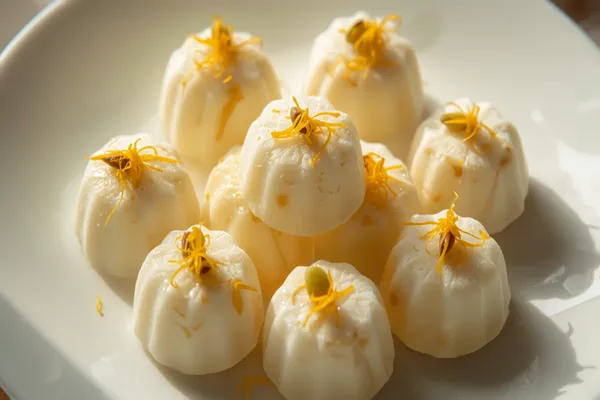
Bengal's most elegant sweet: fresh chhena gently cooked with sugar and cardamom into a soft, fudge-like confection, pressed into delicate shapes. Refined, milky, and ready in under half an hour.
North India / pan-Indian · Indian
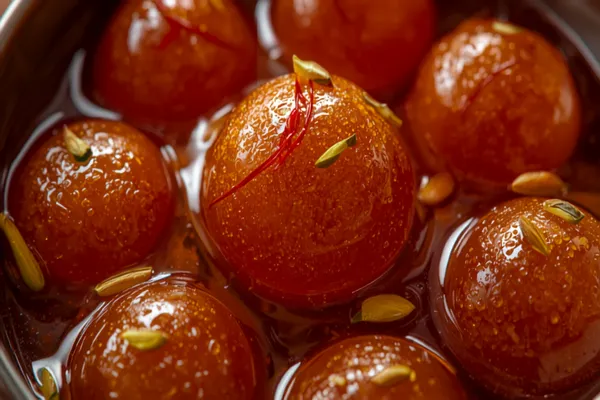
Gulab Jamun (Milk Dumplings in Rose-Cardamom Syrup)
The king of Indian sweets: soft khoya dumplings fried to deep gold and soaked in warm rose-and-cardamom syrup until they swell, juicy and melting. The dessert no Diwali or wedding is complete without.
Further reading
- Cultural Story · Eastern IndiaA Complete Guide to Bengali and Eastern Indian CookingFrom the fish-and-rice heart of Bengal to Odisha's temple food, Assam's sour-clean dishes, and the smoke-and-ferment cooking of the Northeast — a guide to eastern India's distinct, often gentle, sometimes fiery table.
- Festival & SeasonalIndian Festival Sweets: From Diwali to EidIn India, no celebration is complete without mithai. A guide to the sweets that define the festival calendar — the Diwali mithai box, the Eid dessert table, and the regional treasures of Bengal and the south — and what makes each one special.