Kerala / South India · Indian
Sharkara Upperi (Jaggery-Coated Banana Chips)
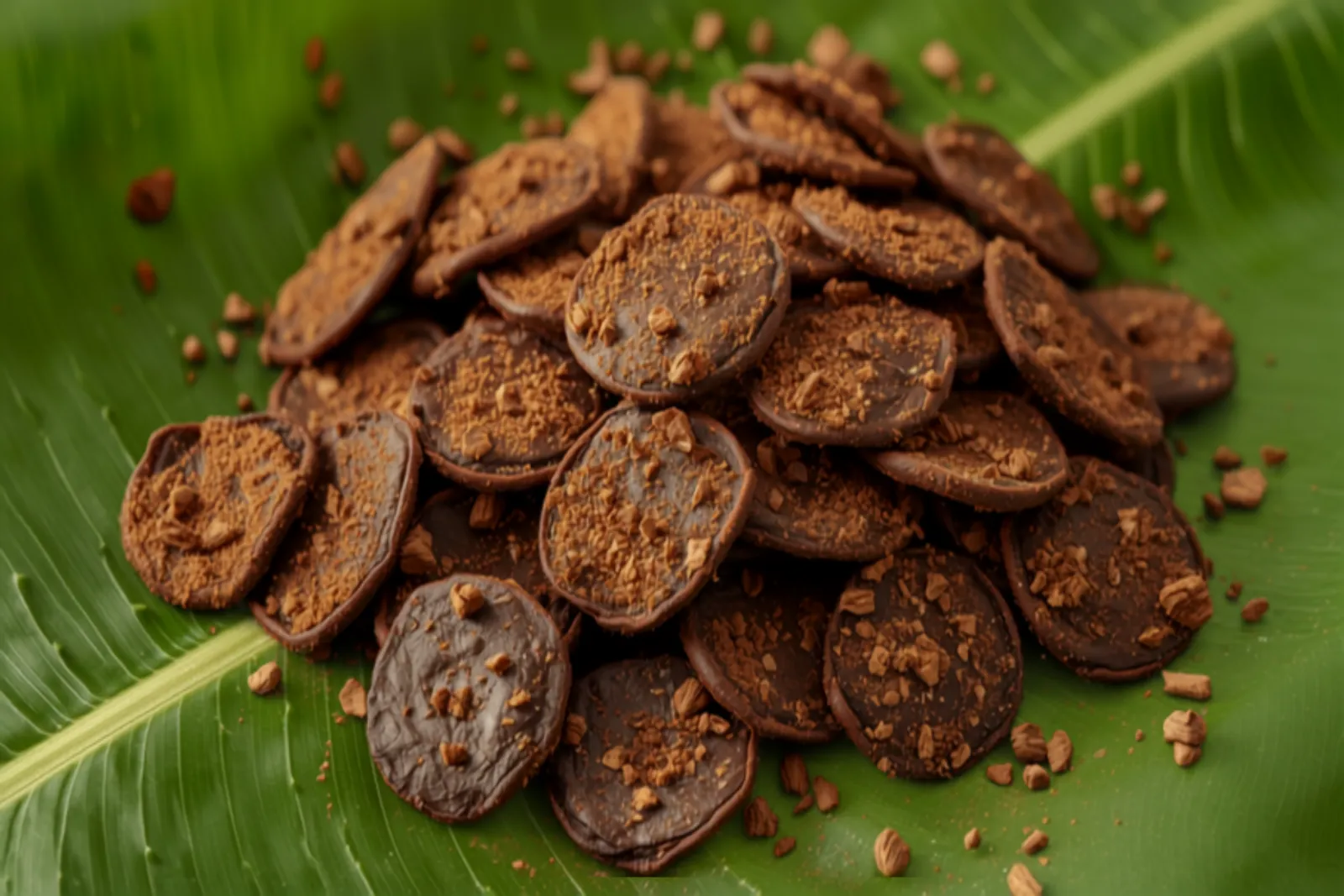
Kerala's crunchy-sweet sadya treat: ripe-firm plantain chips fried crisp, then tossed in a spiced jaggery syrup with ginger and cardamom until they set in a frosted shell. The sweet cousin of plain banana chips.
Published June 22, 2026
Cultural context
Sharkara upperi (sharkara varatti) is the jaggery-coated plantain chip of the Kerala sadya — fried banana chips tumbled in a thick jaggery syrup scented with dry ginger and cardamom until they're frosted and crisp. Alongside plain salted upperi, it's an essential Onam snack.
Sharkara upperi — also called sharkara varatti — is the sweet, crunchy treat of the Kerala sadya: plantain chips fried crisp in coconut oil, then tumbled in a thick jaggery syrup scented with dry ginger and cardamom until they set in a frosted, crystallised shell. It’s the sweet sibling of plain salted banana chips, and an essential Onam nibble.
Fry firm, fry well
Use firm, slightly underripe plantains and fry them properly crisp in coconut oil — they need that crunch to survive the syrup. Too ripe, and they won’t crisp at all.
One-string syrup, then toss off the heat
The trick to the dry, frosted coating is the syrup: melt jaggery and cook it to a thick one-string stage, scent it with dry ginger and cardamom, then toss the chips off the heat as it cools so it crystallises rather than glazes. A final sprinkle of rice flour sets the shell dry.
Make a big batch ahead — it keeps for a week or two. Serve alongside ada pradhaman and palada payasam; the full feast is in our Onam sadya guide.
Ingredients
For the chips
- 3 raw plantains (firm, slightly underripe) Nendran plantains are traditional. Slightly underripe is ideal — too ripe won't crisp.
- coconut oil, for deep-frying
For the jaggery coating
- 1.5 cups jaggery, grated
- 1/4 cup water
- 1 tsp dry ginger powder (chukku) The signature warming note of sharkara upperi.
- 1/2 tsp cardamom powder
- 2 tbsp rice flour Tossed in at the end — it helps the syrup set into a dry, frosted coating rather than staying sticky.
Method
Tap a step’s number to check it off as you go.
-
Peel and cut the plantains into thick bite-sized pieces or rounds, and deep-fry in coconut oil until crisp and cooked through; drain well.
Why: Coconut oil and thorough frying give the chips their Kerala flavour and the crunch that must survive the syrup.
-
Melt the jaggery with water and strain out any grit, then cook the syrup to a thick one-string consistency.
Why: The syrup must reach one-string stage so it sets on the chips; too thin and the coating stays sticky and won't frost.
-
Add dry ginger and cardamom, then tip in the fried chips and toss continuously off the heat until the syrup crystallises and coats every piece.
Why: Tossing off the heat as it cools is what turns the syrup into a dry, frosted shell rather than a wet glaze.
-
Sprinkle over the rice flour and toss again, then spread out to cool completely.
Why: Rice flour absorbs surface stickiness and helps the coating set dry; cooling fully crisps them for storage.
A quick, anonymous tap — no review needed.
Variations
- Extra-spiced
Add a pinch of dry-roasted cumin or more dry ginger for a more warming, grown-up coating.
- Plain upperi
Skip the syrup entirely and salt the fried chips for classic Kerala banana chips — the savoury sadya partner to this sweet one.
Serving & Storage
A crunchy-sweet nibble on the sadya leaf and a favourite Onam snack with tea. Keeps well, so it's made ahead in big batches.
Pairs with: Tea, Plain banana chips, Sadya.
Storage: Once fully cooled and dry, store airtight at room temperature for 1–2 weeks; keep away from moisture so the coating stays crisp.
Nutrition
Per serving (about 1/2 cup)
- Calories
- 240
- Protein
- 1 g
- Carbs
- 34 g
- Fat
- 11 g
- Fiber
- 2 g
- Sugar
- 22 g
- Sodium
- 10 mg
Notable micronutrients: Potassium, Iron
Estimated using standard ingredient data. Values vary with brands and substitutions.
Frequently Asked Questions
Why won't my coating turn dry and frosted?
Usually the syrup didn't reach one-string consistency, or the chips were tossed over heat too long. Cook the jaggery syrup until thick, toss off the heat as it cools, and finish with rice flour to set a dry shell.
What plantains should I use?
Firm, slightly underripe nendran (Kerala) plantains are ideal. Too ripe and they won't crisp up when fried.
Can I use store-bought banana chips?
In a pinch, yes — toss ready-made (unsalted) chips in the spiced jaggery syrup. Freshly fried are better, but this is a good shortcut.
What to drink with this
All drinks →Hand-picked pours to match this dish.
Pan-Indian (the everyday tea of the subcontinent) · Indian
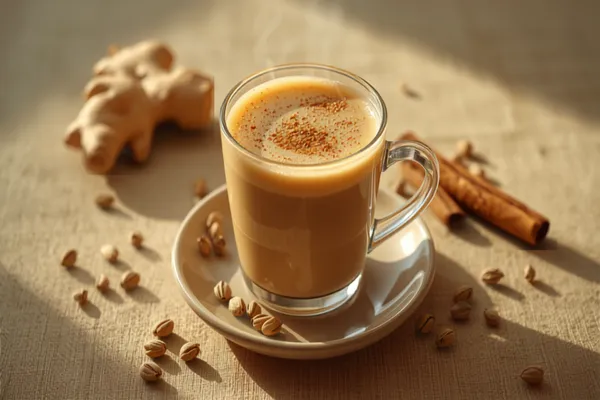
Masala Chai (Spiced Indian Tea)
India's daily ritual in a cup: black tea brewed with milk, sugar and freshly crushed spices. The proper stovetop method, plus how to build your own masala.
Mexico (agua fresca tradition) · Mexican
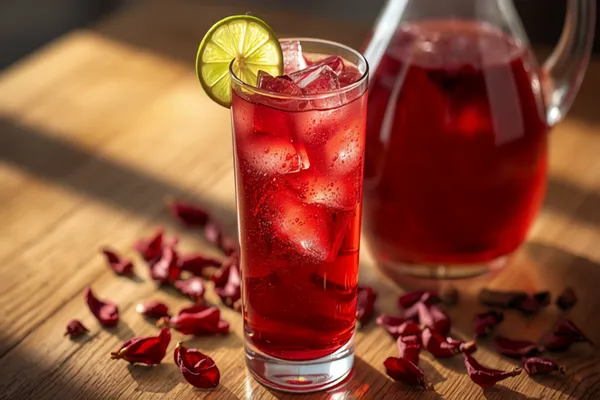
Agua de Jamaica (Hibiscus Iced Tea)
Mexico's ruby-red hibiscus cooler: dried jamaica flowers steeped, sweetened and chilled into a tart, refreshing agua fresca. The right steep, how to control the tartness, and why it's so good for you.
Thailand (street and market drink) · Thai
Thai Iced Tea (Cha Yen)
The bright-orange, creamy-sweet Thai street drink: strong spiced black tea sweetened with condensed milk and poured over ice with a float of cream. How to brew it strong and why it's so orange.
From our kitchen community
Ratings & Reviews
My Rating
Tap a star to rate — no sign-in, no form needed.
My Review
0 Ratings
🥣 0 home cooks made it!
Be the first to rate Sharkara Upperi (Jaggery-Coated Banana Chips).
Related Recipes
Kerala / South India · Indian
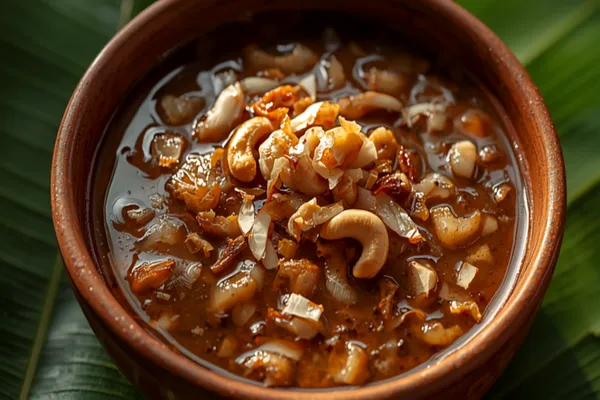
Ada Pradhaman (Kerala Onam Payasam)
The grand finale of the Onam sadya: rice ada simmered in jaggery and three extractions of coconut milk until thick, glossy, and caramel-deep, scented with cardamom and dry ginger and studded with ghee-fried coconut. Kerala's most beloved payasam.
Kerala / South India · Indian
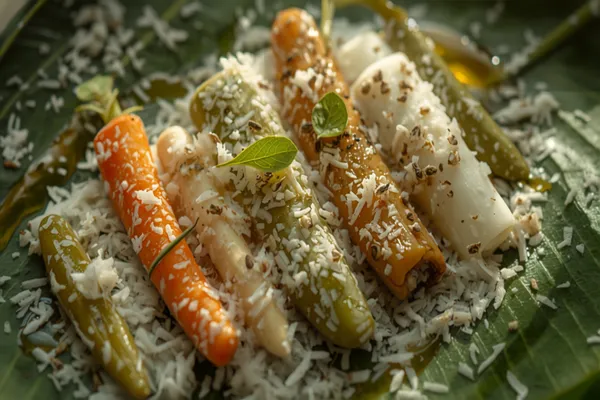
Avial (Kerala Mixed Vegetables in Coconut and Yogurt)
A cornerstone of the Kerala sadya: a medley of vegetables simmered until tender and bound in a coconut-cumin paste with tangy yogurt, finished with raw coconut oil and curry leaves. Wholesome, gentle, and quietly addictive.
Kerala / South India · Indian
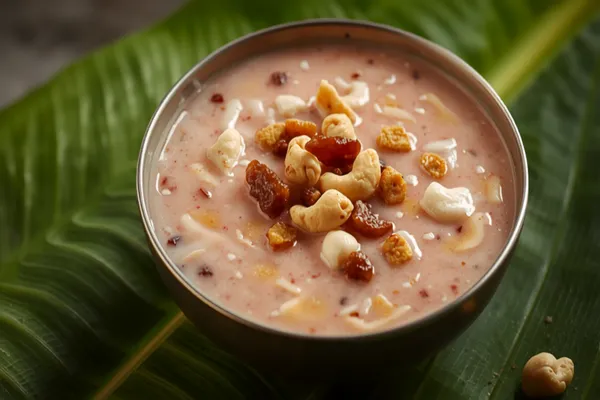
Palada Payasam (Kerala Rice Ada Milk Pudding)
The milky, rose-tinged payasam that crowns the Onam sadya: tender rice ada simmered slowly in sweetened milk until it thickens and turns a pale pink, scented with cardamom and ghee-fried nuts. Patient, simple, and unforgettable.
Further reading
- Cultural Story · South IndiaA Complete Guide to South Indian CookingSouth India isn't one cuisine but many — Tamil, Kerala, Karnataka, Andhra and Telangana, each with its own grains, spices, and rituals. A guide to the building blocks, the regional differences, and where to start cooking.
- Festival & Seasonal · KeralaThe Onam Sadya: Kerala's Feast on a Banana LeafOnce a year, Kerala lays out one of the world's great vegetarian feasts — two dozen-plus dishes served on a banana leaf in a precise order, eaten with the hands. A guide to the Onam sadya: what's on the leaf, where it goes, and why it matters.