Spain (pan-Spanish) · Spanish
Tortilla Española (Spanish Potato Omelette)
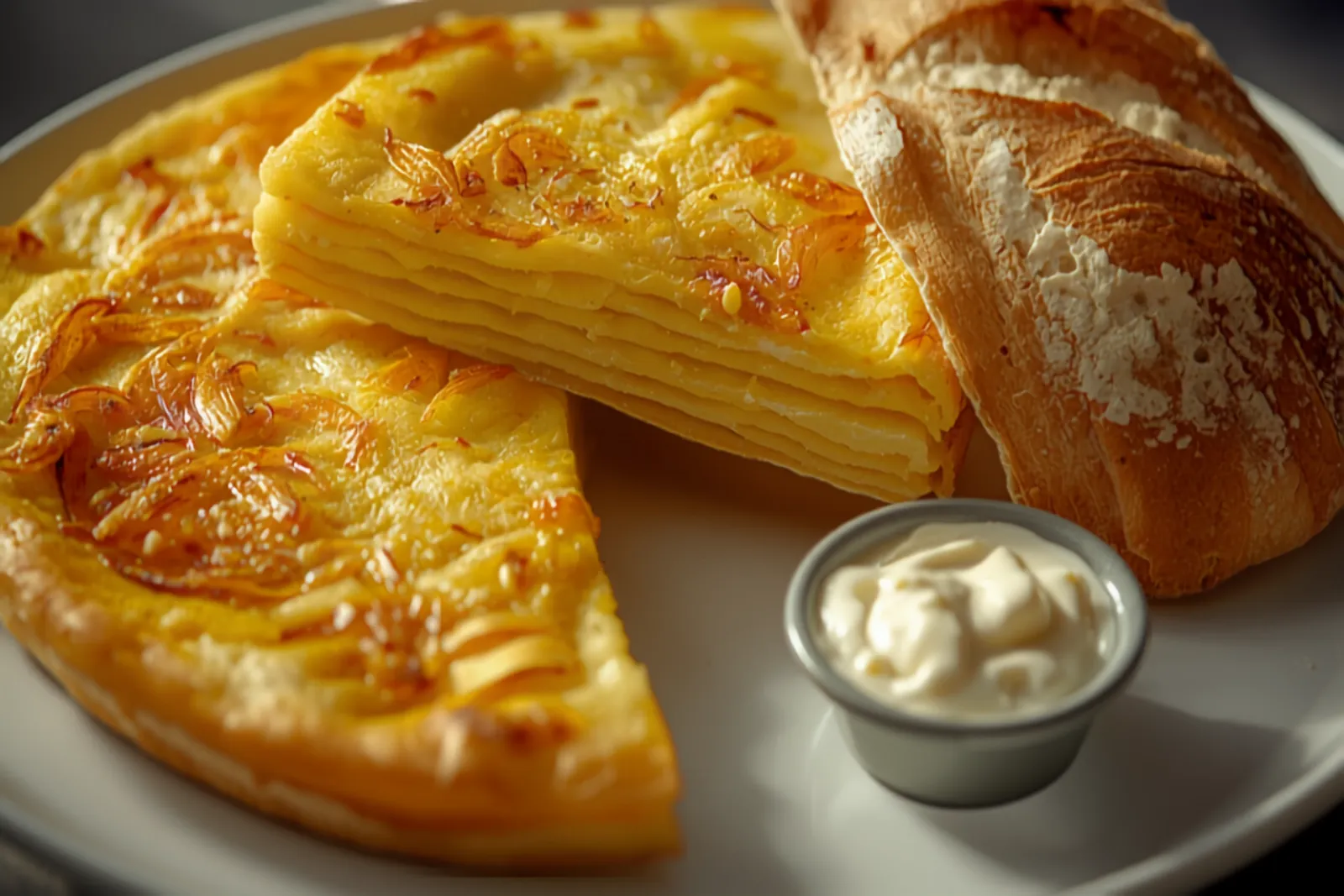
Spain's national dish in a pan: potatoes slowly confited in olive oil, bound with egg and cooked into a thick, golden cake with a just-set, custardy centre. Served warm or at room temperature, in wedges or cubes.
Published June 24, 2026
Cultural context
The tortilla de patatas is the most ubiquitous dish in Spain — served as a tapa, a bocadillo filling, a picnic staple, and a light supper. The great national argument is con cebolla o sin cebolla (with onion or without), and whether the centre should be set or runny (poco hecha). It bears no relation to the Mexican tortilla; here 'tortilla' simply means a round egg cake.
The tortilla de patatas is the most quietly ubiquitous dish in Spain — in every bar as a tapa, in every bakery as a bocadillo filling, in every picnic basket and on every kitchen table for a light supper. At its heart it is just potatoes, eggs and olive oil, which is precisely why getting it right is a point of national pride.
Confit, don’t fry
The single most important step is cooking the potatoes slowly in plenty of olive oil over gentle heat until they’re meltingly soft but barely coloured. This is closer to a confit than a fry, and it’s what gives the tortilla its tender, almost creamy layers. Most of the oil is drained off afterwards and saved for the next batch, so the finished tortilla isn’t greasy — the potatoes simply carry a little of that olive flavour through the whole cake.
The flip and the centre
Two things separate a good tortilla from a great one. The first is the flip: a flat plate wider than the pan, held firmly, turned in one decisive motion. The second is the centre, which should stay jugosa — just-set and slightly soft, not dry. A short rest after cooking lets carryover heat finish the middle while keeping that prized custardy core. And the eternal question — con cebolla o sin cebolla — is yours to settle.
Build a tapas spread with patatas bravas and gambas al ajillo, or browse the full recipe collection.
Ingredients
For the tortilla
- 800 g waxy potatoes Peeled and sliced thin (3-4 mm). Waxy or all-purpose hold together better than floury.
- 1 large onion, thinly sliced (optional but recommended) Team con cebolla. Leave it out for the purist sin cebolla version.
- 400-500 ml olive oil For confiting the potatoes; most of it is drained off and reused, so it's not all eaten.
- 6 large eggs
- to taste salt
Method
Tap a step’s number to check it off as you go.
-
Warm the olive oil in a non-stick pan over medium-low heat. Add the potato slices (and onion, if using) and cook gently 20-25 minutes, stirring occasionally, until soft but not browned.
Why: This is a confit, not a fry — low and slow makes the potatoes meltingly tender and infuses the oil. Browning them turns the tortilla into a different, harsher dish.
-
Drain the potatoes and onion in a sieve, saving the oil. Season with salt and let cool slightly.
Why: Draining stops the tortilla being greasy; a brief cool means the hot potatoes won't scramble the eggs on contact.
-
Beat the eggs with salt in a large bowl, then fold in the warm potatoes. Let the mixture sit 10 minutes.
Why: Resting lets the potato absorb egg and starts to bind, which gives the classic dense-yet-tender set rather than a loose scramble.
-
Heat 2 tbsp of the reserved oil in the pan over medium heat. Pour in the mixture, spread level, and cook 4-5 minutes until the edges set and the base is golden, shaking the pan so it doesn't stick.
Why: A confident base layer gives you something solid to flip; shaking keeps it loose so it slides freely.
-
Cover the pan with a large flat plate, invert the tortilla onto it, then slide it back into the pan raw-side down. Cook another 3-4 minutes.
Why: The flip is the moment of truth — a plate larger than the pan and one decisive movement is how Spanish cooks do it. The second side needs less time.
-
Slide onto a plate and rest 5-10 minutes. The centre should stay slightly soft (jugosa).
Why: Carryover heat finishes the middle. Resting lets it settle so it cuts cleanly into wedges with that prized just-set centre.
A quick, anonymous tap — no review needed.
Variations
- Sin cebolla (no onion)
The purist's tortilla — potatoes and egg only. Cleaner, more potato-forward, and the centre of a national argument.
- Runny (poco hecha)
The Betanzos style: use a little extra egg and cook briefly so the centre is almost pourable. Serve right away.
- Add-ins
Folding in piquillo peppers, chorizo or sautéed greens is common in home kitchens, though purists raise an eyebrow.
Serving & Storage
Serve warm or at room temperature, cut into wedges or cubes with cocktail sticks as a tapa. A smear of allioli or a few piquillo peppers on the side is excellent.
Pairs with: Crusty bread, Allioli, A glass of Rioja or cold beer.
Storage: Keeps 3 days refrigerated and is arguably better the next day. Eat at room temperature; it's a classic picnic and bocadillo filling.
Nutrition
Per serving (1 wedge (1/6 tortilla))
- Calories
- 290
- Protein
- 9 g
- Carbs
- 24 g
- Fat
- 18 g
- Fiber
- 2 g
- Sugar
- 2 g
- Sodium
- 330 mg
Notable micronutrients: Vitamin C, Potassium, Vitamin B6, Selenium
Estimated using standard ingredient data. Values vary with brands and substitutions.
Frequently Asked Questions
Con cebolla or sin cebolla?
Onion adds sweetness and moisture and is the most popular choice, but the no-onion version has fierce defenders for its pure potato flavour. Try it both ways and pick a side — every Spaniard has.
How do I flip it without disaster?
Use a flat plate wider than the pan, hold it firmly over the top, and invert in one quick, committed motion over the sink. Then slide it back in. Hesitation is what causes spills.
Do I really need that much oil?
You're confiting the potatoes, not deep-frying them, and almost all the oil is drained off and saved for next time. The potatoes only carry a fraction of it into the finished tortilla.
What to drink with this
All drinks →Hand-picked pours to match this dish. Alcoholic pairings are for adults of legal drinking age (21+ in the US) — please drink responsibly.
 21+
21+ Spain (Andalusia & the wine country) · Spanish
Spanish Sangria (Red Wine Punch with Fruit)
The real Spanish sangria — red wine, brandy, fresh fruit and a little citrus, chilled until the flavours marry. The right wine to use, why it needs time, and how to keep it from going sweet and flat.
 21+
21+ Florence, Italy (Tuscan aperitivo tradition) · Italian
Negroni (The Perfect Three-Part Aperitivo)
Equal parts gin, Campari and sweet vermouth, stirred over ice with an orange peel. Italy's great bitter aperitivo — the easiest world-class cocktail to remember and one of the hardest to improve on.
Jamaica & the Caribbean; England · Caribbean / British
Ginger Beer (Homemade, Fiery & Non-Alcoholic)
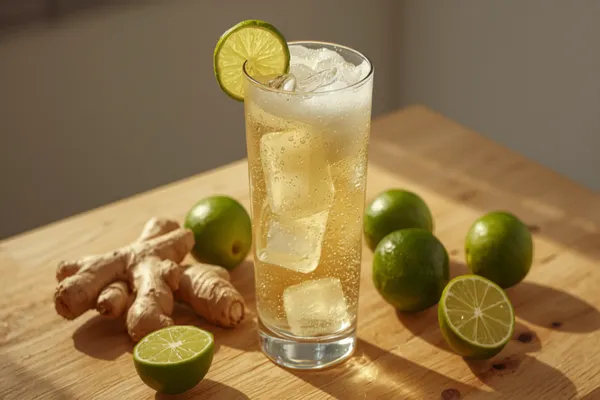
Fresh ginger, lime and sugar carbonated into a spicy, bracing brew — the real thing, far hotter than anything bottled. A Caribbean and British favourite that's the backbone of the Moscow Mule and Dark 'n' Stormy, and a sensational soda on its own.
From our kitchen community
Ratings & Reviews
My Rating
Tap a star to rate — no sign-in, no form needed.
My Review
0 Ratings
🥣 0 home cooks made it!
Be the first to rate Tortilla Española (Spanish Potato Omelette).
Related Recipes
Spain (Madrid & pan-Spanish) · Spanish
Patatas Bravas (Spanish Fried Potatoes with Spicy Sauce)
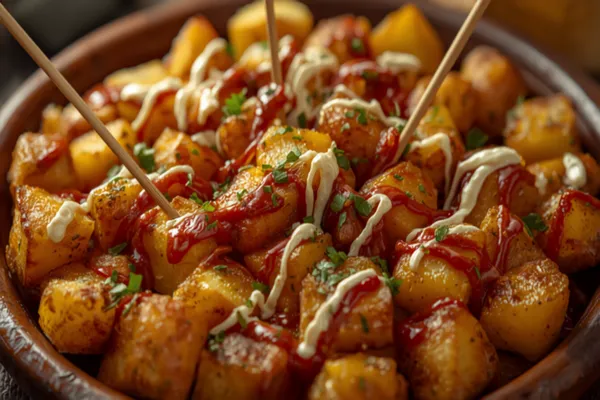
The definitive tapa: crisp golden cubes of fried potato under a smoky, lightly spicy brava sauce — and, in the Madrid style, a cool garlic allioli too. Crunchy outside, fluffy within, gone in minutes.
Spain (Andalusia & Madrid) · Spanish
Gambas al Ajillo (Spanish Garlic Shrimp)
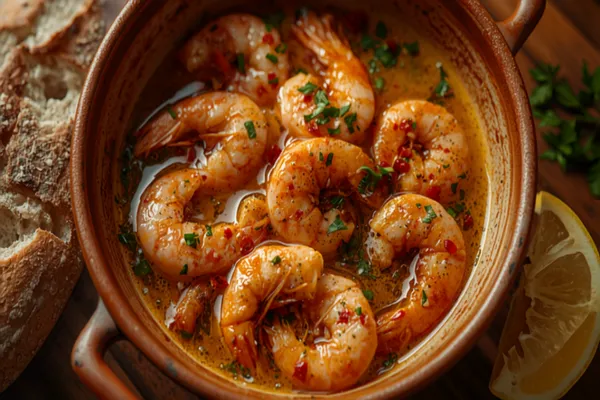
The fastest great tapa there is: plump prawns sizzled in olive oil with sliced garlic, a pinch of dried chilli and a splash of sherry, served bubbling hot with bread to soak up the golden, garlicky oil.
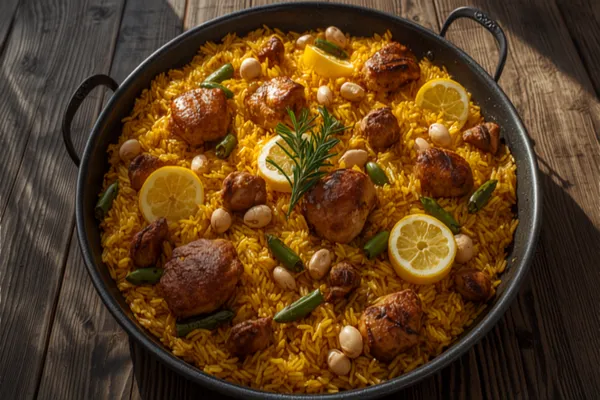
Valencia · Spanish
Paella Valenciana (Authentic Valencian Paella)
The original paella from Valencia — not a seafood free-for-all, but chicken, rabbit, and green beans cooked with bomba rice, saffron, and a prized layer of toasted crust called the socarrat. Cooked in a wide pan over a wide flame, it's a Sunday ritual as much as a recipe.
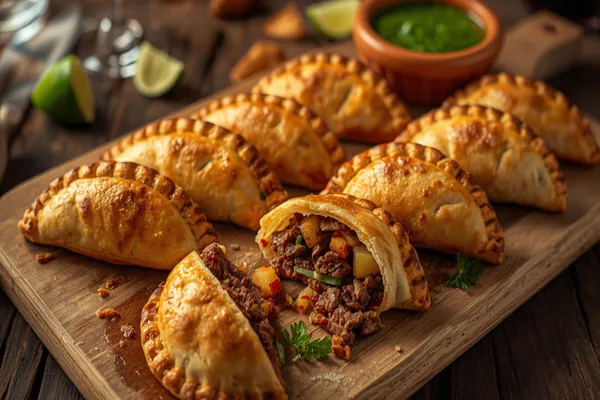
Salta, in the Andean north-west of Argentina — the high valleys around the capital and the Calchaquí wine country · Argentine
Empanadas Salteñas (Salta-Style Argentine Beef Empanadas)
The empanada Argentina argues about and Salta gets right — hand-chopped beef, soft potato and spring onion bound in cumin-red beef fat, sealed in a thin tallow pastry that bakes juicy enough to eat leaning forward.
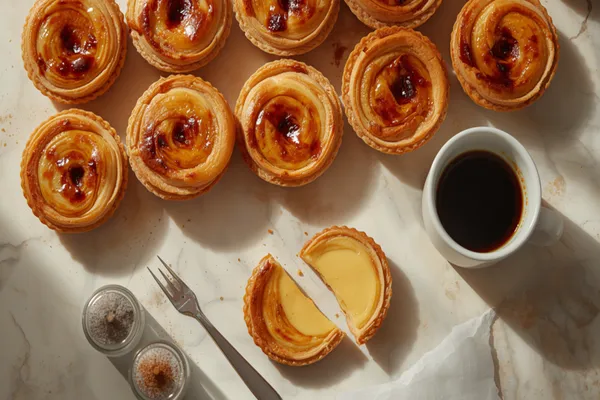
Belém, Lisbon — the Jerónimos Monastery quarter on the Tagus, within Portugal's wider convent-sweet tradition · Portuguese
Pastéis de Nata (Portuguese Custard Tarts)
Lisbon's blistered custard tart — a spiral-rolled puff shell that shatters like glass, a flour-set egg-yolk custard scented with lemon peel and cinnamon rather than vanilla, and an oven turned as hot as it will go so the top scorches into dark, bitter-sweet freckles.