Japan (nationwide izakaya and home cooking; Oita's Nakatsu is its spiritual capital) · Japanese
Chicken Karaage (Japanese Fried Chicken)
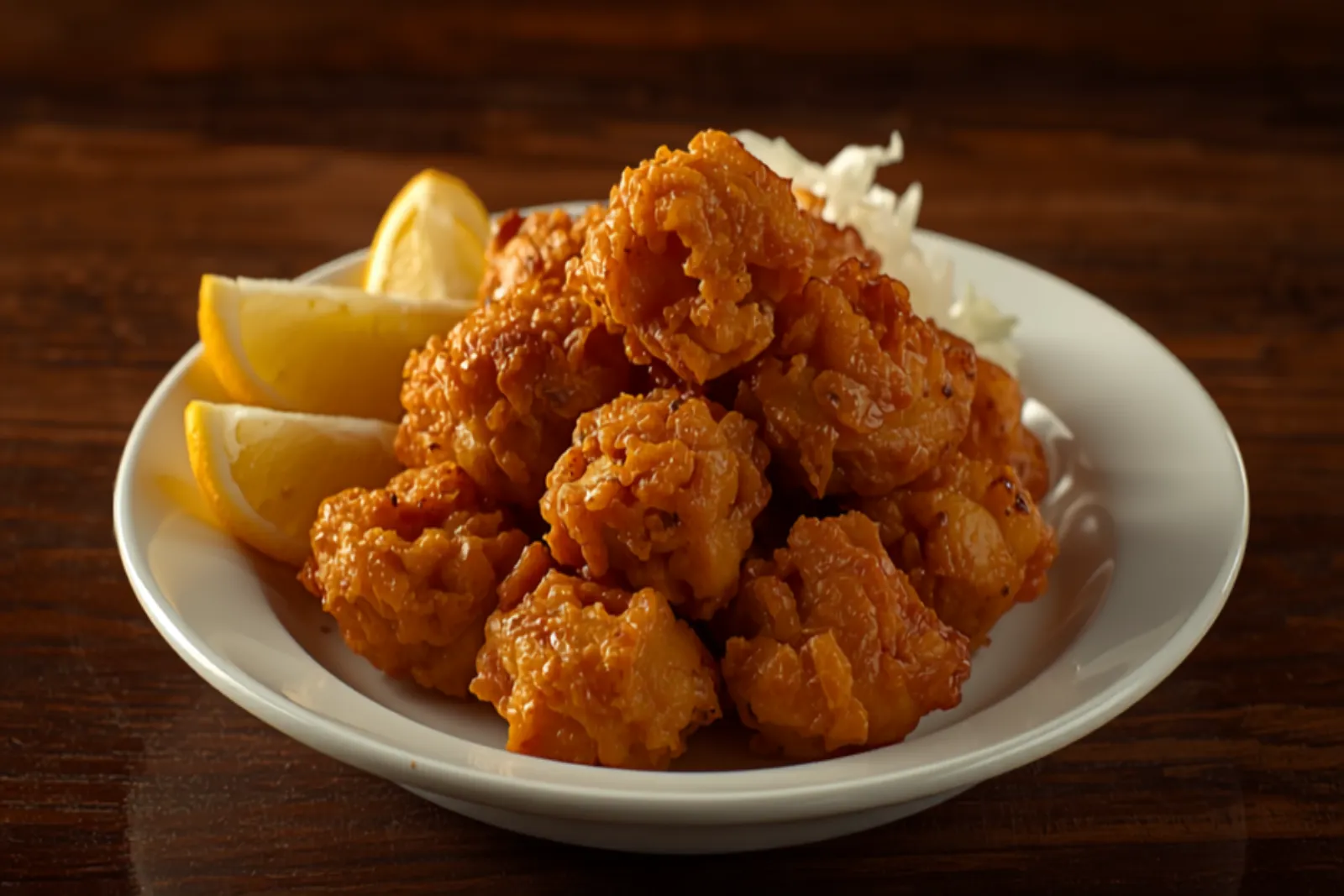
Japan's beloved fried chicken: juicy thigh meat steeped in a ginger-garlic-soy marinade, dredged in potato starch, and double-fried to a shatteringly crisp, lacy crust. The izakaya snack and bento hero you'll make on repeat.
Published August 3, 2026
Cultural context
Karaage — from kara-age, 'Chinese-style frying' — is the fried chicken of modern Japan: the first thing ordered with a cold beer at an izakaya, the anchor of a school-lunch bento, the dish a mother is quietly judged and adored for. Oita Prefecture on Kyushu treats it with the devotion other places reserve for barbecue, with whole shops dedicated to nothing else.
Ask a table of Japanese friends what to order first at an izakaya and the answer comes back fast and unanimous: karaage, and a round of beers to go with it. Chicken karaage is Japan’s fried chicken — not a novelty or a Western import wearing a kimono, but a fully naturalized national comfort food that turns up at izakaya counters, in convenience-store hot cases, and, most tenderly, in the bento boxes packed by parents at dawn. In Oita Prefecture on Kyushu, whole shops sell nothing else, and locals argue over them the way other places argue over barbecue joints.
The name is a small history lesson: kara-age literally means “Chinese-style frying,” a nod to the technique’s origins, though what Japan made of it is entirely its own. The genius is in two humble decisions — the marinade and the starch — and one bit of patience.
The marinade does the seasoning
Great karaage is seasoned to the bone, not just on the surface. Grated ginger and garlic, soy sauce, a splash of sake, and a few drops of sesame oil soak into the thigh meat so that each piece tastes complete before it ever meets the coating. Thigh, not breast: the fat and collagen are what keep karaage juicy through the heat of frying, and no amount of technique will rescue lean breast from going dry. Give it thirty minutes at least; give it overnight if you can plan that far ahead.
Potato starch, and why it matters
Here is the ingredient that separates karaage from every other fried chicken: potato starch, or katakuriko. Where flour fries into a thick, bready shell, potato starch forms a thin, glassy, almost lacy crust — translucent and crackling, clinging to every crag of the meat. Let the coated chicken sit a few minutes so the starch turns pasty against the marinade; that tacky surface is what blisters into the signature texture. Reach for cornstarch only if you must, and skip plain flour entirely.
The double fry is the whole secret
Fry karaage once and you’re forced to choose between a pale, under-crisped crust and an overcooked interior. Fry it twice and you get both done right. The first pass, in moderate oil, cooks the chicken gently through and stops shy of color. A short rest lets the inside settle and the steam escape. Then a second, hotter plunge dehydrates the crust to a shattering crunch and browns it deep gold — all while the meat inside stays succulent. It takes an extra five minutes and it is completely non-negotiable.
Serve it the moment it’s drained, piled high with lemon wedges whose sharp squeeze cuts the richness. Eat it standing at the stove if you must; karaage waits for no one.
For more Japanese classics to build a spread around, browse the recipe collection, or dig into the cultural stories behind the food.
Ingredients
For the chicken
- 600 g boneless, skin-on chicken thighs Thighs are non-negotiable here — the fat and connective tissue keep the meat juicy through frying. Cut into large, roughly 4 cm bite-size pieces.
For the marinade
- 1 tbsp grated fresh ginger Grate it on a microplane, juice and all; the juice does most of the flavoring.
- 2 cloves garlic, grated
- 2 tbsp soy sauce Japanese koikuchi (regular) soy sauce.
- 1 tbsp sake Tenderizes the meat and lifts any raw poultry smell; the alcohol cooks off in the fryer.
- 1 tsp toasted sesame oil
- 1 tsp sugar
- 1 egg, beaten (optional) A traditional touch that helps the coating cling and puff. Skip it for an extra-crunchy, drier crust.
For the coating
- 1/2 cup potato starch (katakuriko) The key to karaage's signature lacy, glassy crust. Cornstarch works in a pinch but is slightly less crisp; avoid plain flour, which fries up bready.
For frying
- as needed neutral oil Enough for about 4 cm depth. A high-smoke-point oil such as canola or rice bran oil.
To serve
- 1 lemon, cut into wedges The traditional and non-optional finish — a squeeze cuts the richness.
- Japanese mayonnaise and shredded cabbage (optional)
Method
Tap a step’s number to check it off as you go.
-
Pat the chicken pieces dry. In a bowl, combine the ginger, garlic, soy sauce, sake, sesame oil, sugar, and beaten egg if using. Add the chicken, massage the marinade in, and rest at least 30 minutes (up to overnight in the fridge).
Why: Drying first lets the marinade grip. The sake and ginger tenderize the meat and season it to the center, so the chicken tastes good on its own, not just under the crust.
-
Lift each piece from the marinade, letting excess drip off, and dredge thoroughly in potato starch. Press the starch on and shake off the loose excess. Let the coated pieces sit 5 minutes until the surface looks slightly damp and pasty.
Why: Letting the starch hydrate against the wet chicken forms the craggy, blistered surface that fries into karaage's characteristic lacy crust. Loose starch just burns in the oil.
-
Heat the oil to 160°C (320°F). Fry the chicken in batches for about 90 seconds — it will be pale and barely colored. Remove and rest on a rack for 3–4 minutes.
Why: This first, lower fry gently cooks the chicken through without browning. The rest lets carryover heat finish the interior and steam escape, so the second fry can focus purely on crunch.
-
Raise the oil to 190°C (375°F) and fry the chicken a second time for 45–60 seconds, until deep golden and crackling-crisp. Drain on the rack.
Why: The hot second fry dehydrates and sets the crust to a glassy crunch and finishes the color, while the pre-cooked interior stays juicy. This double fry is the whole secret.
-
Serve immediately, piled up with lemon wedges and, if you like, a swipe of Japanese mayonnaise and a mound of shredded cabbage.
Why: Karaage is at its peak in the first few minutes off the oil. The bright squeeze of lemon is traditional for a reason — it cuts straight through the richness.
A quick, anonymous tap — no review needed.
Variations
- Extra-crunchy (no egg)
Leave the egg out of the marinade and use pure potato starch. The crust fries up drier, shatteringly crisp, and stays crunchy longer — ideal for a bento the next day.
- Nanban style
After frying, dunk the pieces in a sweet-sour soy vinegar sauce and top with tartar sauce for chicken nanban, the famous Miyazaki spin on karaage.
- Air-fryer / lighter
Spray the coated pieces generously with oil and air-fry at 200°C, turning once, until golden. Less lacy than deep-fried, but a genuinely good weeknight shortcut.
Serving & Storage
Serve as an izakaya snack with cold beer, or turn it into a meal over rice with miso soup and shredded cabbage. It's the star of a bento box, holding its crunch even at room temperature.
Pairs with: Cold Japanese lager or highball, Steamed rice, Miso soup, Shredded cabbage with sesame dressing.
Storage: Best eaten fresh. Keep leftovers refrigerated up to 2 days; re-crisp in a hot oven or air fryer rather than the microwave, which turns the crust soggy. Cooked karaage freezes well for up to a month — reheat from frozen in a hot oven.
Nutrition
Per serving (About 5 pieces)
- Calories
- 410
- Protein
- 28 g
- Carbs
- 14 g
- Fat
- 27 g
- Fiber
- 0 g
- Sugar
- 2 g
- Sodium
- 620 mg
Notable micronutrients: Niacin, Selenium, Vitamin B6
Estimated using standard ingredient data. Values vary with brands and substitutions.
Frequently Asked Questions
Why potato starch instead of flour?
Potato starch (katakuriko) fries into karaage's signature glassy, lacy crust — light, crackling, and translucent rather than the thick, bready coat flour produces. Cornstarch is a decent substitute, but potato starch is worth seeking out for the real texture.
Do I really have to fry it twice?
The double fry is what makes karaage karaage. A gentle first fry cooks the chicken through without over-browning; a hot second fry sets a crisp crust that stays crunchy. Frying once forces a compromise between raw-in-the-middle and burnt outside.
Can I use chicken breast?
You can, but thighs are strongly recommended. Their fat and collagen keep the meat juicy through the double fry, while breast tends to dry out. If you must use breast, cut it a little larger and reduce the second fry slightly.
What to drink with this
All drinks →Hand-picked pours to match this dish. Alcoholic pairings are for adults of legal drinking age (21+ in the US) — please drink responsibly.
Japan (the chado tea tradition of Kyoto and Uji, home of Japan's finest matcha) · Japanese
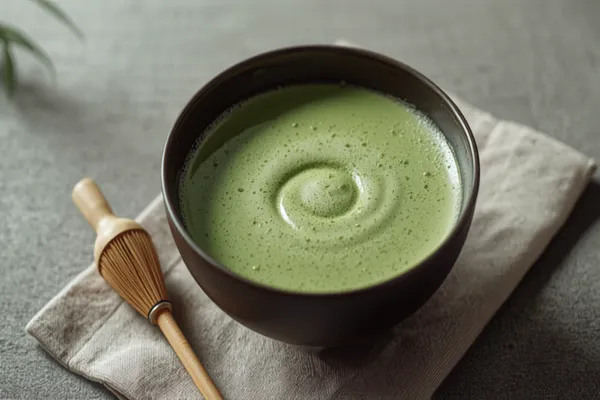
Matcha (Whisked Usucha, Thin Tea)
How to whisk a proper bowl of usucha — thin matcha — with a bamboo chasen: bright, jade-green, frothed to a fine foam, and faintly sweet-bitter. The everyday face of Japan's centuries-old tea tradition, ready in two minutes on a home counter.
Japan (matcha tradition, Uji & Nishio) · Japanese
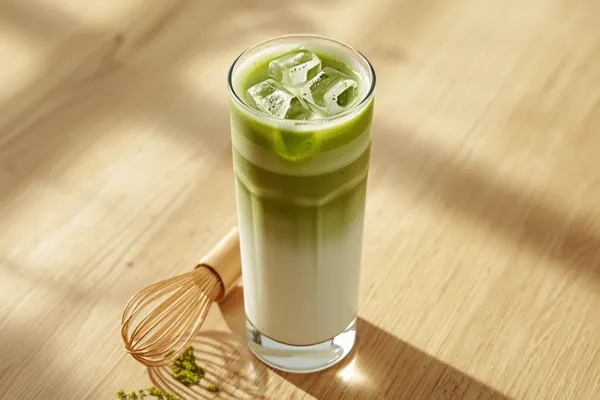
Matcha Latte (Whisked Japanese Green Tea Latte)
Stone-ground Japanese matcha whisked smooth and poured over steamed milk — grassy, sweet and gently caffeinated, with no bitterness when you make it right. A café favourite that's better and cheaper at home.
 21+
21+ American bars (via Japanese Midori) · Japanese-American
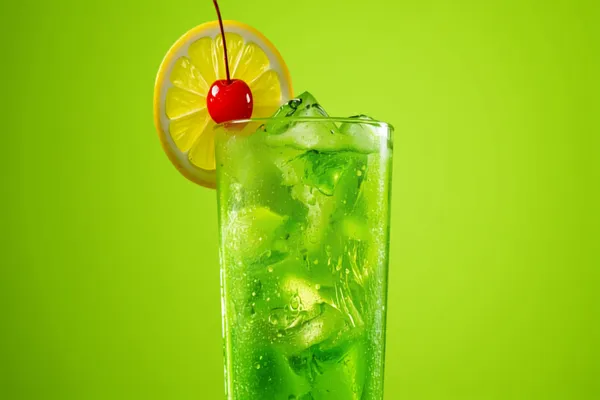
Midori Sour (Melon Liqueur, Lemon & Lime)
The bright-green retro sour: sweet Midori melon liqueur balanced with fresh lemon and lime, lengthened with a splash of soda. A vivid, nostalgic crowd-pleaser — sweet-tart, low-proof and unmistakably '80s.
From our kitchen community
Ratings & Reviews
My Rating
Tap a star to rate — no sign-in, no form needed.
My Review
0 Ratings
🥣 0 home cooks made it!
Be the first to rate Chicken Karaage (Japanese Fried Chicken).
Related Recipes
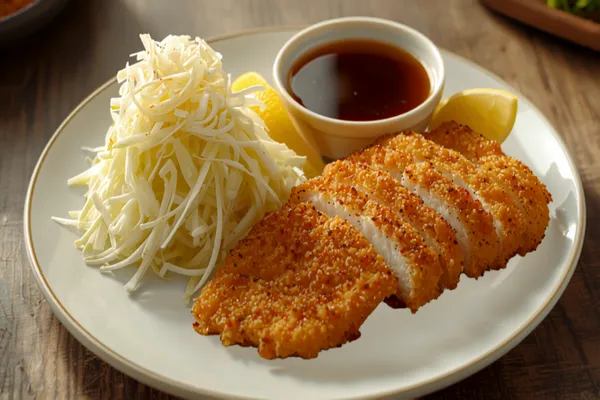
Japan · Japanese
Tonkatsu (Japanese Crispy Breaded Pork Cutlet)
Japan's beloved breaded pork cutlet: a thick pork loin coated in airy panko and fried to a deep golden shatter-crisp, sliced into strips, and served with tangy tonkatsu sauce and a heap of shredded cabbage. Crunchy outside, juicy within.
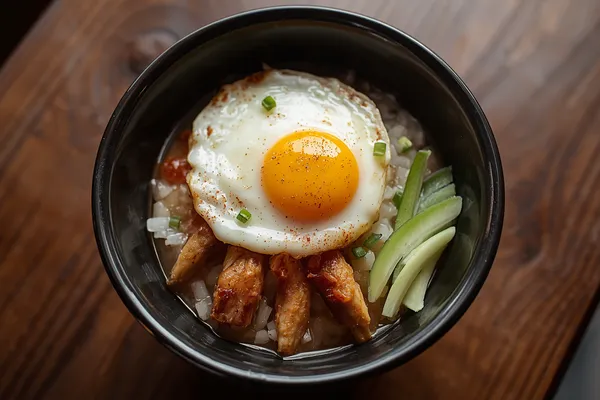
Japan (nationwide home cooking; the donburi tradition is rooted in Tokyo) · Japanese
Oyakodon (Japanese Chicken and Egg Rice Bowl)
The Japanese home-cooking classic: chicken simmered with sweet onions in a dashi-soy broth, bound with barely-set egg and slid over hot rice. Fast, frugal, and deeply comforting — dinner in under thirty minutes.
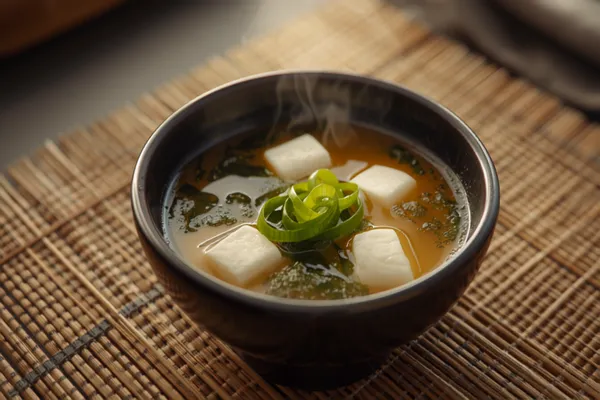
Japan (nationwide home cooking; a daily fixture from Hokkaido to Okinawa) · Japanese
Miso Soup (Miso Shiru with Dashi, Wakame & Tofu)
The quiet backbone of the Japanese table: a clear dashi broth loosened with miso and dotted with soft tofu, wakame, and scallion. Five minutes, a handful of ingredients, and a bowl that tastes like home.