Japan (nationwide home cooking; a daily fixture from Hokkaido to Okinawa) · Japanese
Miso Soup (Miso Shiru with Dashi, Wakame & Tofu)
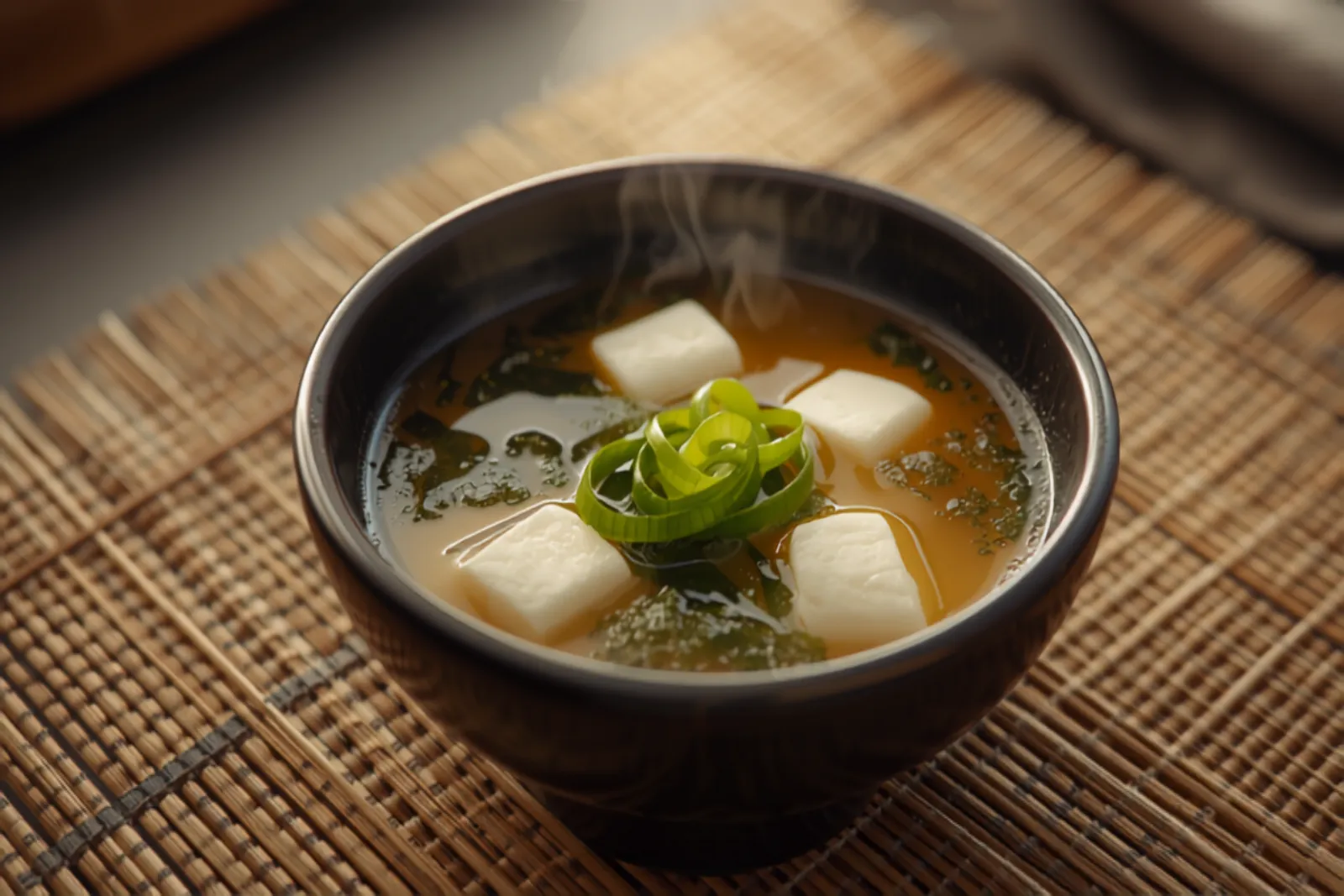
The quiet backbone of the Japanese table: a clear dashi broth loosened with miso and dotted with soft tofu, wakame, and scallion. Five minutes, a handful of ingredients, and a bowl that tastes like home.
Published August 3, 2026
Cultural context
Miso shiru is the soup of everyday Japanese life — poured at breakfast, packed in bento thermoses, and set beside the rice bowl at dinner. The phrase 'will you make miso soup for me every morning?' was once a marriage proposal, a measure of how completely this humble bowl stands for home and constancy.
There is no dish more everyday in Japan than miso shiru, and none more quietly essential. It appears at breakfast beside grilled fish and rice, in the lacquer bowl at a formal dinner, in the thermos tucked into a lunch bag. It is so woven into daily life that an old-fashioned marriage proposal — “will you make miso soup for me every morning?” — used a bowl of it as shorthand for a shared life. Few five-minute recipes carry that kind of weight.
At its simplest, miso soup is only two things: dashi and miso. Everything else — the tofu, the wakame, the scallion — is a welcome guest, not the host. Get those two foundations right and the soup is essentially foolproof.
Dashi first, always
The broth is where a bowl of miso soup is won or lost. Dashi, the clear stock of kombu (kelp) and katsuobushi (dried bonito), gives the soup its savory backbone — that quiet, mouth-filling umami that makes you want the next sip before you’ve finished this one. Without it, miso soup is just salty cloudy water; with it, the soup tastes complete. If you’ve never made dashi, it takes ten unhurried minutes and rewards you many times over — we walk through it in our guide to dashi. For a vegan bowl, kombu steeped with dried shiitake does the same work without any fish.
The one rule: don’t boil the miso
If you remember a single thing, let it be this. Miso is a fermented paste, alive with the same enzymes and aromas that took months to develop in the cedar barrel. Boil it and you blow all of that off, leaving a soup that smells faintly of nothing and turns grainy on the tongue. So the sequence matters: heat the dashi, warm the tofu and wakame, then lower the flame before the miso ever touches the pot. Dissolving the paste in a ladle held just under the surface is the trick every Japanese home cook learns early — no lumps, no scorching, all fragrance intact.
A canvas, not a recipe
The version here — tofu, wakame, scallion — is the default weeknight bowl, but miso soup is really a template. Coastal households drop in clams and let their briny liquor stand in for the dashi. Farmhouse kitchens load it with daikon, carrot, and root vegetables until it’s nearly a stew. Regions and seasons shift the miso itself, from the sweet pale shiro of Kyoto to the dark, assertive red of the north. Choose what’s in the drawer; the soup will forgive you.
Ready to build a full Japanese meal around it? Browse the recipe collection, or settle in with our cultural stories behind the food.
Ingredients
For the broth
- 2 cups (500 ml) dashi Kombu-katsuo dashi is classic. For a fully vegan bowl, use kombu-shiitake dashi. Instant hondashi in hot water works on a busy morning.
For the bowl
- 1 tbsp (dried) wakame seaweed The dried cut variety; it swells five-fold, so a little goes a long way.
- 150 g silken or soft tofu Cut into small cubes. Silken gives the classic melting texture; firm holds its shape better if you prefer.
For seasoning
- 2–3 tbsp miso paste Start with 2 tbsp and taste. White (shiro) miso is mellow and sweet; red (aka) is deeper and saltier. A blend (awase) is the everyday default.
To finish
- 1 scallion, thinly sliced
Method
Tap a step’s number to check it off as you go.
-
Soak the dried wakame in a small bowl of cool water for 5 minutes, then drain. It will unfurl into soft green ribbons.
Why: Rehydrating separately keeps stray grit out of the soup and stops the wakame from swelling unpredictably in the pot.
-
Bring the dashi to a gentle simmer in a small saucepan. Add the tofu cubes and the drained wakame and warm through for 1–2 minutes.
Why: You only need to heat the tofu, not cook it. A hard boil would toughen the tofu and blow off the delicate aroma of the dashi.
-
Lower the heat so the broth is no longer bubbling. Scoop the miso into a ladle or small strainer, lower it into the broth, and whisk it apart with chopsticks until fully dissolved.
Why: Dissolving miso in a ladle prevents lumps, and adding it off the boil protects the live enzymes and fragrance that make miso taste alive rather than flat.
-
Taste and adjust with a little more miso if needed. Never let it return to a boil once the miso is in.
Why: Boiling miso drives off its aroma and can turn the texture grainy — the single most common way a good bowl goes dull.
-
Ladle into bowls and scatter with sliced scallion. Serve immediately.
Why: Miso settles as it stands, so a quick stir before each sip and prompt serving keep the soup at its best.
A quick, anonymous tap — no review needed.
Variations
- Fully vegan
Build the dashi from kombu and dried shiitake rather than bonito, and check that your miso contains no bonito extract. The result is savory and deeply umami without any fish.
- Hearty (kenchin-style)
Add thin-sliced daikon, carrot, and a few sliced shiitake, simmering until tender before the miso goes in. This turns a side soup into a light meal.
- Clam (asari) miso
Skip the dashi and steam a handful of scrubbed clams in a splash of water; their liquor becomes the broth. A springtime favorite along the coast.
Serving & Storage
Serve alongside a bowl of steamed rice and a main such as teriyaki salmon or karaage — the classic ichiju-issai (one soup, one dish) shape of a Japanese meal. Miso soup is also breakfast, poured beside grilled fish and pickles.
Pairs with: Steamed short-grain rice, Teriyaki salmon, Chicken karaage, Quick-pickled cucumber.
Storage: Best made fresh and drunk at once. If you must keep it, refrigerate up to 2 days and reheat gently without boiling; add fresh scallion when serving. Never microwave to a rolling boil, which dulls the miso.
Nutrition
Per serving (1 bowl (about 300 ml))
- Calories
- 85
- Protein
- 6 g
- Carbs
- 6 g
- Fat
- 4 g
- Fiber
- 1 g
- Sugar
- 2 g
- Sodium
- 780 mg
Notable micronutrients: Iodine, Magnesium, Vitamin K
Estimated using standard ingredient data. Values vary with brands and substitutions.
Frequently Asked Questions
Why shouldn't miso soup boil?
Miso is a living, fermented paste, and boiling drives off its aroma, breaks down its beneficial enzymes, and can make the soup taste flat and slightly gritty. Always dissolve the miso once the broth is off a full boil, and serve without boiling again.
White miso or red miso?
White (shiro) miso is sweeter and milder, red (aka) is saltier and more robust, and a blend (awase) sits in the middle — the everyday choice in most homes. Start with white if you're new to it and adjust to taste over time.
Can I make miso soup without dashi?
You can, but dashi is what gives the soup its savory depth and keeps it from tasting like salty water. A teaspoon of instant hondashi, or a piece of kombu steeped in the hot water for ten minutes, will transform the bowl.
What to drink with this
All drinks →Hand-picked pours to match this dish. Alcoholic pairings are for adults of legal drinking age (21+ in the US) — please drink responsibly.
Japan (the chado tea tradition of Kyoto and Uji, home of Japan's finest matcha) · Japanese
Matcha (Whisked Usucha, Thin Tea)
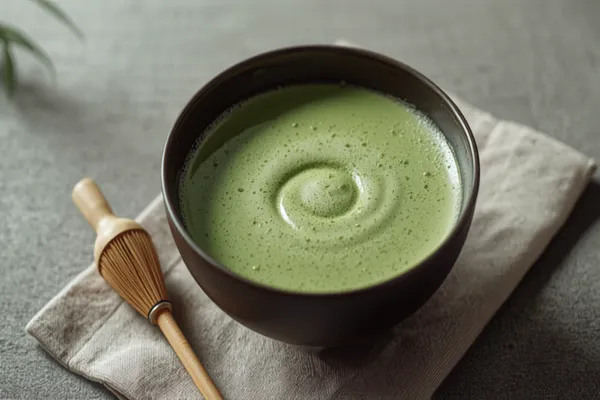
How to whisk a proper bowl of usucha — thin matcha — with a bamboo chasen: bright, jade-green, frothed to a fine foam, and faintly sweet-bitter. The everyday face of Japan's centuries-old tea tradition, ready in two minutes on a home counter.
Japan (matcha tradition, Uji & Nishio) · Japanese
Matcha Latte (Whisked Japanese Green Tea Latte)
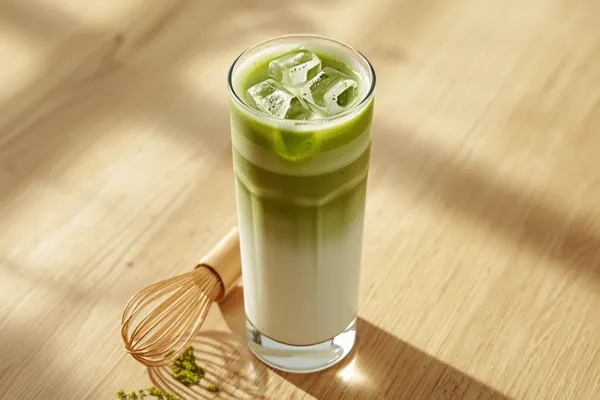
Stone-ground Japanese matcha whisked smooth and poured over steamed milk — grassy, sweet and gently caffeinated, with no bitterness when you make it right. A café favourite that's better and cheaper at home.
 21+
21+ American bars (via Japanese Midori) · Japanese-American
Midori Sour (Melon Liqueur, Lemon & Lime)
The bright-green retro sour: sweet Midori melon liqueur balanced with fresh lemon and lime, lengthened with a splash of soda. A vivid, nostalgic crowd-pleaser — sweet-tart, low-proof and unmistakably '80s.
From our kitchen community
Ratings & Reviews
My Rating
Tap a star to rate — no sign-in, no form needed.
My Review
0 Ratings
🥣 0 home cooks made it!
Be the first to rate Miso Soup (Miso Shiru with Dashi, Wakame & Tofu).
Related Recipes
Japan (nationwide home cooking; the donburi tradition is rooted in Tokyo) · Japanese
Oyakodon (Japanese Chicken and Egg Rice Bowl)
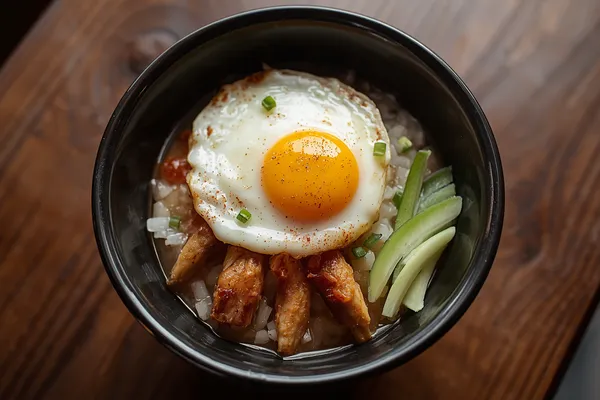
The Japanese home-cooking classic: chicken simmered with sweet onions in a dashi-soy broth, bound with barely-set egg and slid over hot rice. Fast, frugal, and deeply comforting — dinner in under thirty minutes.
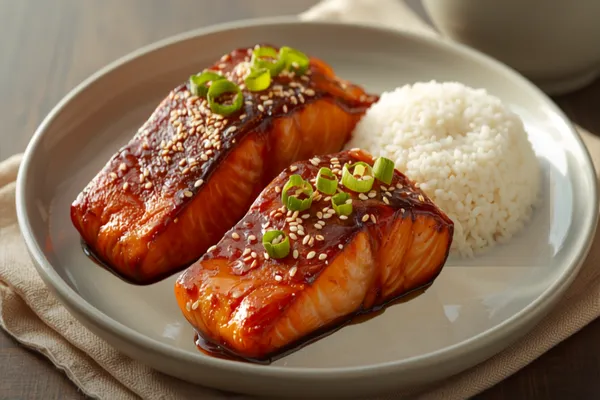
Japan (nationwide home cooking; the teri-yaki glazing method is classic washoku, popularized abroad from the Pacific Northwest) · Japanese
Teriyaki Salmon (Pan-Glazed with Real Teriyaki Sauce)
Salmon pan-seared and glazed in a scratch teriyaki reduction of soy, mirin, sake, and sugar — thickened by the pan, not a bottle. Teriyaki is a glaze technique, not a condiment, and it turns weeknight salmon glossy and lacquered in fifteen minutes.
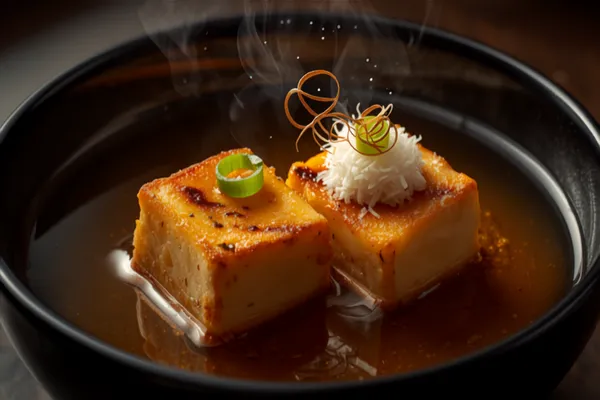
Japan (nationwide izakaya and washoku home cooking; an Edo-era classic) · Japanese
Agedashi Tofu (Lightly Fried Tofu in Dashi Broth)
A quietly elegant izakaya classic: silken tofu dusted in potato starch and fried to a delicate crisp, then bathed in a warm dashi-soy tsuyu with grated daikon, scallion, and a flutter of bonito flakes. Crisp, custardy, and deeply comforting.
Further reading
- Ingredient Deep Dive · JapanDashi: The Quiet Foundation Under Japanese CookingBefore miso soup, before noodle broth, before a hundred simmered dishes, there is dashi — the five-minute stock of kelp and dried fish that gives Japanese food its savory depth. Here's what it is, why it matters, and how to make it.
- Cultural Story · JapanA Complete Guide to Japanese CookingJapanese food is not one thing but a whole grammar — washoku and the everyday home meal, the umami of dashi, the discipline of rice, and a country of sharply distinct regions. A guide to the philosophy, the building blocks, and where to start cooking.