Japan (nationwide home cooking; the teri-yaki glazing method is classic washoku, popularized abroad from the Pacific Northwest) · Japanese
Teriyaki Salmon (Pan-Glazed with Real Teriyaki Sauce)
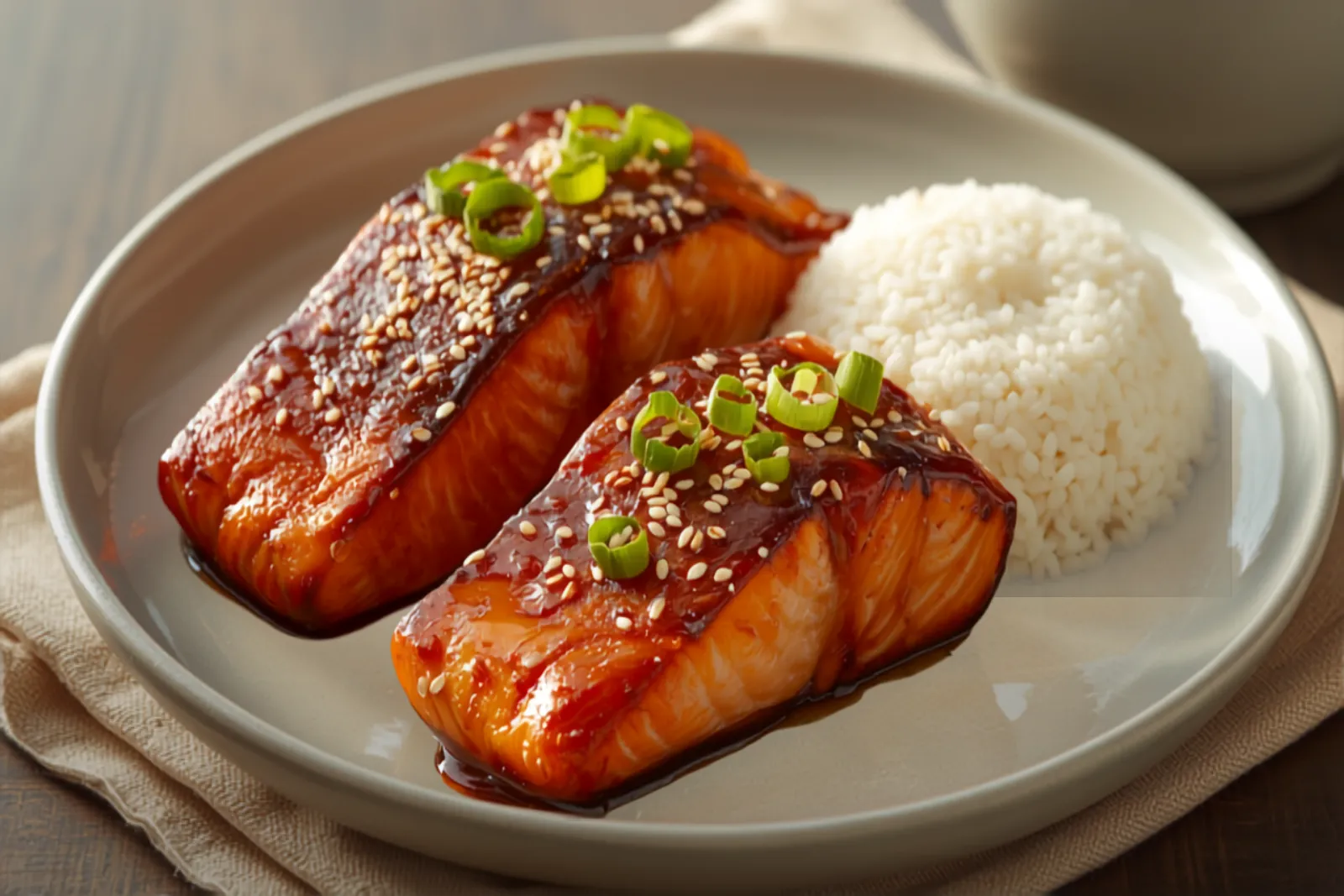
Salmon pan-seared and glazed in a scratch teriyaki reduction of soy, mirin, sake, and sugar — thickened by the pan, not a bottle. Teriyaki is a glaze technique, not a condiment, and it turns weeknight salmon glossy and lacquered in fifteen minutes.
Published August 3, 2026
Cultural context
In Japanese, teri means 'shine' or 'luster' and yaki means 'grilled' — teriyaki is literally 'grilled with a glaze,' a cooking technique, not a bottled sauce. The bottled stuff is a Western invention; the real thing is a quick reduction of four pantry staples brushed onto fish or chicken until it lacquers. Salmon (sake) teriyaki is a fixture of the home dinner table and the bento box.
Here is the first thing to unlearn about teriyaki salmon: teriyaki is not a bottle in the fridge door. In Japanese, teri means “shine” and yaki means “grilled” — teriyaki is a technique, the act of grilling or pan-searing something and glazing it to a glossy lacquer with a quick reduction of soy sauce, mirin, sake, and sugar. Four ingredients, two minutes, no cornstarch slurry and no additive-laden sauce. Once you’ve made it the real way, the bottled version starts to taste like candy.
Salmon takes to this treatment beautifully. Its richness stands up to the salty-sweet glaze, and the fish cooks in the time it takes the sauce to reduce. In Japan, sake no teriyaki (salmon teriyaki) is unglamorous, everyday food — a fixture of the home dinner table and a reliable anchor in the bento box, sliced cold the next day over rice.
The four staples that make a glaze
Everything hinges on the balance of soy, mirin, sake, and sugar. Soy brings the salt and the savoury backbone; sugar brings caramelization; and mirin — the sweet, low-alcohol rice wine — is the secret to that unmistakable teri shine, its sugars and amino acids reducing into a mirror-bright coat. Sake rounds it out and helps the whole thing reduce cleanly. All the alcohol cooks off in the pan, which is why this dish stays firmly in the everyday-family column. Mix the four together before the pan is even hot; teriyaki rewards the prepared and punishes the person still measuring while the fish overcooks.
Skin down, then glaze
The method is simple but the order matters. Pat the fillets bone-dry — wet fish steams instead of searing — and cook them mostly skin-side down over medium heat. The skin crisps, and the fish cooks gently from underneath, so it needs only a brief flip to finish. A light dusting of flour or potato starch is optional but clever: it gives the glaze something to grab so it lacquers onto the fish instead of pooling in the pan.
Only at the very end do you pour in the glaze. It bubbles up around the fillets, the sugars and mirin thicken, and you tilt the pan and spoon the syrup over the top until everything gleams. Pull it off the heat at the glossy stage — reduce too far and the sugar scorches into bitterness. The sauce keeps thickening as it cools, so err on the side of shiny-and-loose rather than dark-and-sticky.
A weeknight that looks like a restaurant
The beauty of doing teriyaki properly is how little it asks of you. Fifteen minutes, one pan, four pantry staples, and you get glossy, lacquered salmon that looks like it came off a teishoku set-meal tray. Scrape every last drop of pan glaze over the fish, scatter sesame and scallion, and set it over hot rice with a bowl of miso soup on the side.
Want to build the rest of the meal? Browse the full recipe collection, or read more cultural stories behind the food.
Ingredients
For the salmon
- 2 (about 150 g each) skin-on salmon fillets Center-cut, even thickness. Skin-on holds together better and crisps nicely.
- 1 pinch salt
- 1 tsp neutral oil For the pan.
- 1 tbsp flour or potato starch Optional — a light dusting helps the glaze cling and gives a subtle crust.
For the teriyaki glaze
- 2 tbsp soy sauce Japanese koikuchi (regular) soy sauce.
- 2 tbsp mirin The sweet rice wine that gives teriyaki its shine. The alcohol cooks off entirely.
- 1 tbsp sake Adds depth and helps the glaze reduce to a lacquer. Cooks off during reduction.
- 1 tbsp sugar Or 1 tbsp honey for a rounder sweetness.
To serve
- toasted white sesame seeds
- sliced scallion greens
- steamed short-grain rice
Method
Tap a step’s number to check it off as you go.
-
Stir the soy sauce, mirin, sake, and sugar together in a small bowl until the sugar dissolves. Set this glaze mixture within arm's reach of the stove.
Why: Teriyaki moves fast once the pan is hot — having the glaze premixed means you never scramble to measure while the fish overcooks.
-
Pat the salmon completely dry, season lightly with salt, and if using, dust with a thin coat of flour or potato starch, brushing off the excess.
Why: Dry fish sears instead of steaming, and the light starch coat gives the glaze something to grip so it lacquers onto the fillet rather than sliding off.
-
Heat the oil in a nonstick skillet over medium. Lay the salmon in skin-side down and cook 4–5 minutes until the skin is crisp, then flip and cook 2–3 minutes more.
Why: Rendering the skin first crisps it and cooks most of the fish gently from below, so a quick flip is all it needs to finish.
-
Tip out any excess oil, pour in the glaze mixture, and let it bubble around the fish. Tilt the pan and spoon the sauce over the fillets as it thickens, 1–2 minutes.
Why: This is the teriyaki moment: the sugars and mirin reduce and cling, basting the fish into a glossy lacquer. Spooning ensures the top glazes even without flipping the delicate fish again.
-
When the sauce coats the back of a spoon and turns shiny and syrupy, cut the heat — it will thicken further as it cools.
Why: Reduce too far and the sugar scorches and turns bitter; pull it at the glossy, nappe stage and residual heat finishes the job.
-
Plate the salmon, scrape every bit of pan glaze over the top, and finish with sesame seeds and scallion. Serve with hot rice.
Why: That last spoonful of reduced glaze is the best part — don't leave it in the pan. The rice catches what runs off.
A quick, anonymous tap — no review needed.
Variations
- Chicken teriyaki
Swap in boneless chicken thighs, skin-side down, cooking longer (about 6–7 minutes per side) until cooked through before glazing. The same four-ingredient sauce lacquers chicken beautifully — this is the other classic teriyaki.
- Honey-ginger
Replace the sugar with honey and add a teaspoon of grated fresh ginger to the glaze for a warmer, slightly floral version that pairs especially well with salmon's richness.
- Gluten-free
Use tamari in place of soy sauce and dust the fish with potato starch instead of flour. The technique is identical and the glaze is just as glossy.
Serving & Storage
Serve over a bowl of hot short-grain rice with the extra glaze poured on top, a pile of steamed greens or quick-pickled cucumber alongside, and a small bowl of miso soup to make it a proper teishoku set meal.
Pairs with: Steamed short-grain rice, Miso soup, Sesame spinach (horenso no gomaae), Quick-pickled cucumber.
Storage: Best eaten fresh while the glaze is glossy, but leftovers keep in the fridge for up to 2 days — flake cold salmon over rice for a next-day bowl, or reheat gently. The glaze firms up cold and loosens again with a little warmth.
Nutrition
Per serving (1 fillet with glaze (rice not included))
- Calories
- 380
- Protein
- 34 g
- Carbs
- 14 g
- Fat
- 19 g
- Fiber
- 0 g
- Sugar
- 11 g
- Sodium
- 1050 mg
Notable micronutrients: Omega-3 fatty acids, Vitamin D, Vitamin B12, Selenium
Estimated using standard ingredient data. Values vary with brands and substitutions.
Frequently Asked Questions
Is teriyaki a sauce or a technique?
A technique. In Japanese, teriyaki means 'grilled with a shine' — the glaze is made in the pan from soy, mirin, sake, and sugar reduced onto the fish. The thick bottled 'teriyaki sauce' sold in the West is a later invention; authentic teriyaki is these four staples cooked down to a lacquer, and it takes about two minutes.
Can I make teriyaki salmon without sake or mirin?
Mirin does the most work here — it's what gives teriyaki its characteristic shine and gentle sweetness — so it's worth keeping on hand. If you're out of sake, a splash of water or dry white wine will do, or just leave it out and reduce a touch less. Without mirin, add a bit more sugar and a splash of water, though the gloss won't be quite the same.
How do I keep the salmon from drying out?
Cook it mostly skin-side down over medium heat so it cooks gently from below, then flip only briefly. Salmon is done at 50–52°C (about 125°F) for a moist, just-flaking center. The glaze goes on at the very end, so the fish spends only a minute or two exposed to the higher heat of the reduction.
What to drink with this
All drinks →Hand-picked pours to match this dish. Alcoholic pairings are for adults of legal drinking age (21+ in the US) — please drink responsibly.
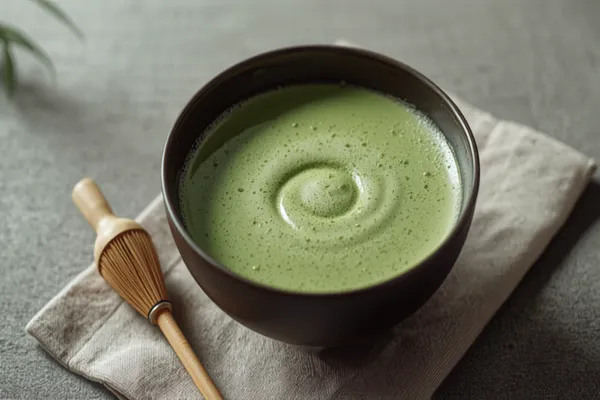
Japan (the chado tea tradition of Kyoto and Uji, home of Japan's finest matcha) · Japanese
Matcha (Whisked Usucha, Thin Tea)
How to whisk a proper bowl of usucha — thin matcha — with a bamboo chasen: bright, jade-green, frothed to a fine foam, and faintly sweet-bitter. The everyday face of Japan's centuries-old tea tradition, ready in two minutes on a home counter.
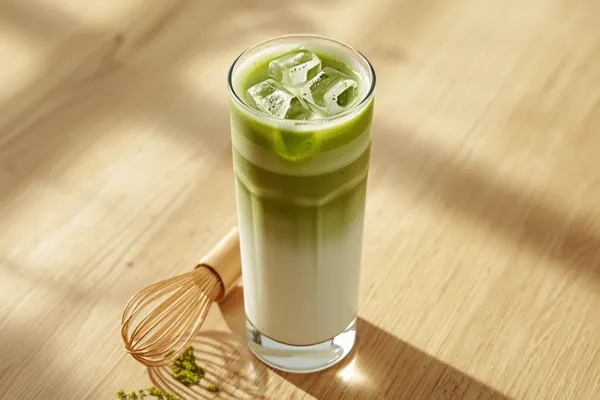
Japan (matcha tradition, Uji & Nishio) · Japanese
Matcha Latte (Whisked Japanese Green Tea Latte)
Stone-ground Japanese matcha whisked smooth and poured over steamed milk — grassy, sweet and gently caffeinated, with no bitterness when you make it right. A café favourite that's better and cheaper at home.
 21+
21+ American bars (via Japanese Midori) · Japanese-American
Midori Sour (Melon Liqueur, Lemon & Lime)
The bright-green retro sour: sweet Midori melon liqueur balanced with fresh lemon and lime, lengthened with a splash of soda. A vivid, nostalgic crowd-pleaser — sweet-tart, low-proof and unmistakably '80s.
From our kitchen community
Ratings & Reviews
My Rating
Tap a star to rate — no sign-in, no form needed.
My Review
0 Ratings
🥣 0 home cooks made it!
Be the first to rate Teriyaki Salmon (Pan-Glazed with Real Teriyaki Sauce).
Related Recipes
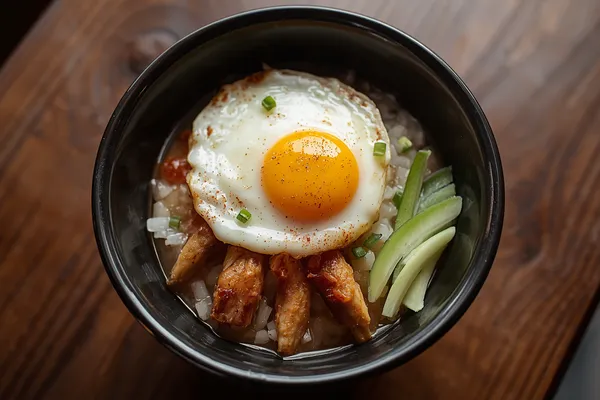
Japan (nationwide home cooking; the donburi tradition is rooted in Tokyo) · Japanese
Oyakodon (Japanese Chicken and Egg Rice Bowl)
The Japanese home-cooking classic: chicken simmered with sweet onions in a dashi-soy broth, bound with barely-set egg and slid over hot rice. Fast, frugal, and deeply comforting — dinner in under thirty minutes.
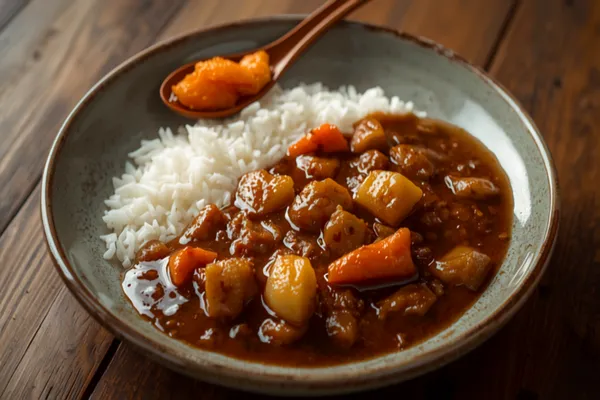
Japan (nationwide; adapted from British naval curry in the Meiji era and thoroughly naturalized) · Japanese
Japanese Curry (Kare Raisu) with From-Scratch Roux
Kare raisu, Japan's beloved national comfort food: sweet onions, carrots, and potatoes simmered into a thick, glossy, mildly sweet-savoury curry built on a scratch curry roux — with an honest note on the curry-block shortcut every Japanese household actually keeps.
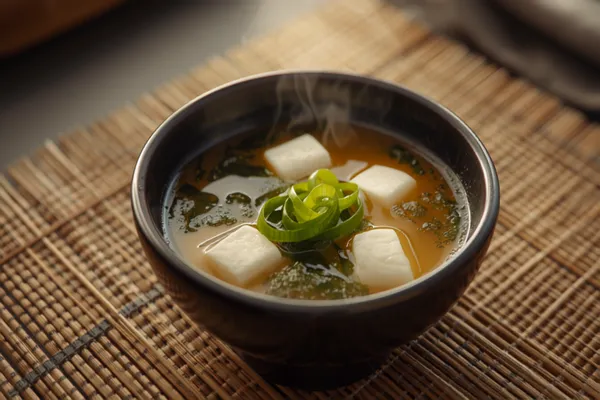
Japan (nationwide home cooking; a daily fixture from Hokkaido to Okinawa) · Japanese
Miso Soup (Miso Shiru with Dashi, Wakame & Tofu)
The quiet backbone of the Japanese table: a clear dashi broth loosened with miso and dotted with soft tofu, wakame, and scallion. Five minutes, a handful of ingredients, and a bowl that tastes like home.