Japan (nationwide; adapted from British naval curry in the Meiji era and thoroughly naturalized) · Japanese
Japanese Curry (Kare Raisu) with From-Scratch Roux
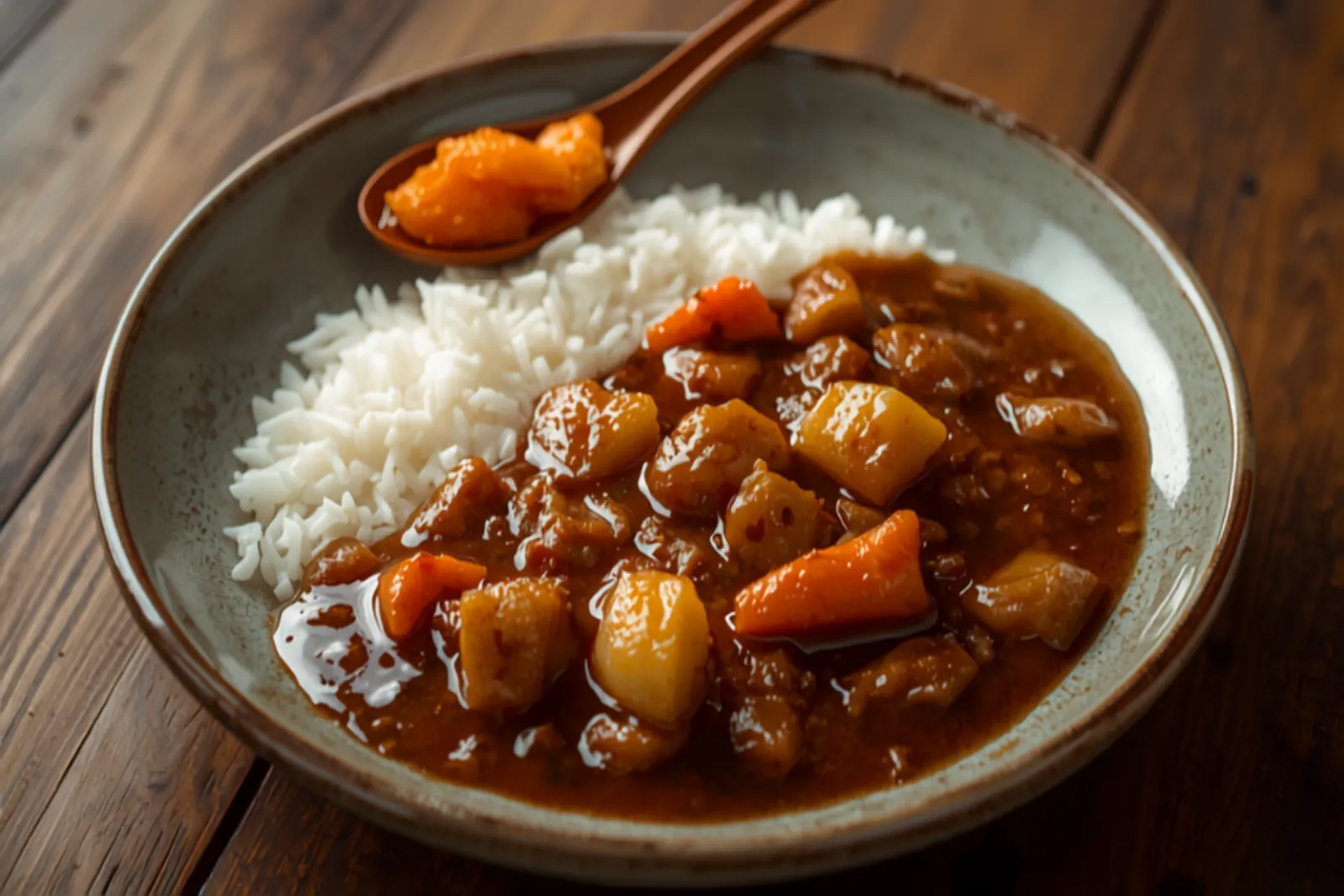
Kare raisu, Japan's beloved national comfort food: sweet onions, carrots, and potatoes simmered into a thick, glossy, mildly sweet-savoury curry built on a scratch curry roux — with an honest note on the curry-block shortcut every Japanese household actually keeps.
Published August 3, 2026
Cultural context
Curry arrived in Japan not from India but from the British Royal Navy in the late 1800s, and the Japanese Imperial Navy adopted it as shipboard food — which is why some port cities still serve 'navy curry' on Fridays. Kare raisu became a national obsession: the most-cooked home dinner in the country, a school-lunch staple, and everyone's idea of what 'mom's cooking' tastes like. It is comfort food with an accidental empire's worth of history in it.
Ask a Japanese person what their mother’s cooking tastes like and a surprising number will say kare raisu — Japanese curry rice. Thick, glossy, mild, and faintly sweet, it is arguably the most-cooked home dinner in the country, a school-lunch legend, and the dish that manages to make a pot of onions, carrots, and potatoes feel like a warm hug. It is comfort food with a genuinely strange backstory hiding inside it.
Because curry did not come to Japan from India. It came from the British Royal Navy in the late 1800s, was adopted by the Japanese Imperial Navy as easy-to-cook, keeps-at-sea shipboard food, and spread from there — which is why some port towns still serve “navy curry” every Friday to this day. Along the way it lost almost all resemblance to its Indian ancestor: milder, sweeter, thicker, and thickened with a French-style roux rather than a fresh masala. A hundred-plus years later, it is about as Japanese as a dish can be.
The onions do the heavy lifting
If you take one thing from this recipe, let it be patience with the onions. Japanese curry gets its characteristic gentle sweetness not from sugar but from onions cooked slowly until they turn golden and jammy. Rush them and the curry tastes flat; give them fifteen honest minutes and the whole pot deepens. The other famous move is the “secret ingredient” — grated apple, a spoonful of honey, a squirt of ketchup, a splash of Worcestershire — the little fruity, tangy, umami-rich additions that every family swears by and half-hides from guests.
The roux is the point (and it’s also the shortcut)
Here’s the honest truth every Japanese household knows: those boxed “curry blocks” you see at the store — S&B Golden Curry, House Vermont Curry — are simply a pre-made roux with spices folded in, and the overwhelming majority of homes cook with them on a weeknight. There is genuinely no shame in it; it’s fast and it’s good, and you pick your heat right off the box, from amakuchi (sweet) to karakuchi (hot).
Making the roux from scratch, as this recipe does, isn’t about being superior — it’s about control. You cook butter or oil with flour until it smells nutty, bloom Japanese curry powder into it off the heat so the turmeric doesn’t scorch, and you’ve made exactly what’s inside the box, minus the palm oil and additives, tuned to your own taste. The trick that saves you is tempering: whisk a ladle of hot broth into the thick roux before it goes into the pot, or it clumps instead of dissolving.
Better tomorrow, always
Japanese curry is one of those rare dishes that improves overnight — the flavours settle and deepen, which is why leftover curry the next day is a small national joy. Serve it with a spoon (one of the few Japanese meals where that’s the norm), a mound of short-grain rice, and a bright spoonful of red fukujinzuke pickle to cut the richness.
Ready to build the rest of the table? Browse the full recipe collection, or read more cultural stories behind the food.
Ingredients
For the curry base
- 500 g chicken thighs, pork, or beef, cut into chunks Bite-size pieces. Chicken thigh is the easy weeknight choice; beef chuck is richer but wants a longer simmer.
- 2 large yellow onions Thinly sliced. The more patiently you brown them, the sweeter and deeper the curry.
- 2 carrots Cut into rangiri — rolling irregular chunks — so they cook evenly and hold their shape.
- 2 medium potatoes Yukon gold or any waxy-to-floury potato, cut into large chunks. Added later so they don't disintegrate.
- 2 tbsp neutral oil
- 4 cups water or chicken stock
- 1 tbsp grated apple or a spoonful of honey The classic secret ingredient — a whisper of fruit sweetness that rounds the whole pot. Optional but very traditional.
- 1 tsp soy sauce For a savoury backnote (umami).
For the from-scratch roux
- 3 tbsp unsalted butter or neutral oil Use oil to keep the dish dairy-free.
- 3 tbsp all-purpose flour
- 1.5 tbsp Japanese curry powder (S&B or similar) This is the defining spice — a mild, turmeric-forward blend. Regular curry powder works in a pinch.
- 1 tsp garam masala Optional, for a little extra warmth and aroma.
- 1 tbsp ketchup Sounds odd, is traditional — it adds sweet-tart depth and a hit of umami.
- 1 tbsp Worcestershire or tonkatsu sauce Another classic home-cook depth-charge.
- 1/2 tsp salt Plus more to taste at the end.
To serve
- 3 cups cooked short-grain Japanese rice
- fukujinzuke (red pickled relish) or rakkyo (pickled shallots) The traditional tangy garnish that cuts the richness.
Method
Tap a step’s number to check it off as you go.
-
Heat the oil in a heavy pot and brown the meat on all sides, then lift it out. Add the sliced onions and cook over medium heat, stirring often, 10–15 minutes until deeply golden and jammy.
Why: Patiently caramelizing the onions is the single biggest flavour move in Japanese curry — it builds the natural sweetness that defines the dish. Rushing here leaves the curry flat.
-
Return the meat, add the carrots, the water or stock, the grated apple, and soy sauce. Bring to a simmer, skim off any foam, and cook gently 15 minutes.
Why: Skimming the scum keeps the sauce clean and glossy, and a gentle simmer tenderizes the meat while the carrots soften.
-
Add the potato chunks and simmer another 10–12 minutes until everything is fork-tender.
Why: Potatoes go in later than the carrots because they break down faster — staggering them keeps each vegetable at its best texture.
-
Meanwhile, make the roux: melt the butter (or heat the oil) in a small pan, whisk in the flour, and cook over low heat 3–5 minutes until it smells nutty and turns light tan.
Why: Cooking the flour out removes the raw, pasty taste and is what gives Japanese curry its signature thick, velvety body — this roux is exactly what the packaged 'curry blocks' are.
-
Off the heat, whisk the curry powder, garam masala, ketchup, Worcestershire, and salt into the roux to form a smooth paste.
Why: Blooming the spices in the warm fat off direct heat wakes up their aroma without scorching the delicate turmeric and letting it turn bitter.
-
Ladle a cup of the hot simmering liquid into the roux paste and whisk until smooth, then stir this loosened mixture back into the pot.
Why: Tempering the roux with hot broth before adding it prevents lumps — dump thick roux straight into the pot and it clumps instead of dissolving.
-
Simmer gently, stirring, 5–10 minutes until the curry thickens to a glossy, coat-the-spoon consistency. Taste and adjust salt. Serve over hot rice with fukujinzuke.
Why: The final low simmer lets the roux fully thicken and the flavours marry. Japanese curry should mound softly on the plate, not run like soup.
A quick, anonymous tap — no review needed.
Variations
- Curry-block shortcut (the honest one)
Skip the scratch roux entirely and stir in half a box of Japanese curry blocks (S&B Golden Curry, House Vermont Curry) at the potato stage until dissolved. This is what the overwhelming majority of Japanese homes actually do on a weeknight — there's no shame in it, and it's genuinely good. Choose your heat level on the box: amakuchi (sweet/mild), chukara (medium), or karakuchi (hot).
- Vegetable / vegan
Leave out the meat and bulk up with mushrooms, kabocha squash, and extra root vegetables; use oil instead of butter in the roux and vegetable stock. The caramelized onions and roux carry it fully.
- Katsu curry
Ladle the curry alongside (not over) a crisp panko-breaded pork or chicken katsu on a bed of rice. This is the beloved restaurant version — the crunch against the silky sauce is the whole appeal.
Serving & Storage
Plate a mound of hot rice on one side and ladle the curry over or beside it, with a bright spoonful of fukujinzuke on the rim. It's traditionally eaten with a spoon, not chopsticks — one of the few Japanese dishes where that's the norm. Even better the next day, once the flavours have settled.
Pairs with: Steamed short-grain rice, Fukujinzuke pickles, Shredded cabbage salad, Pork or chicken katsu (for katsu curry).
Storage: Japanese curry is famously better on day two — refrigerate up to 4 days and the flavour only deepens. It freezes well for up to a month, though potatoes can turn grainy when frozen, so leave them out or expect a softer texture. Reheat gently with a splash of water to loosen, as it thickens considerably when cold.
Nutrition
Per serving (1 plate with rice)
- Calories
- 680
- Protein
- 32 g
- Carbs
- 82 g
- Fat
- 24 g
- Fiber
- 5 g
- Sugar
- 12 g
- Sodium
- 980 mg
Notable micronutrients: Vitamin A, Vitamin C, Potassium, Iron
Estimated using standard ingredient data. Values vary with brands and substitutions.
Frequently Asked Questions
Is Japanese curry actually from India?
Not directly. Curry reached Japan via the British Royal Navy in the Meiji era, so kare raisu is really a Japanese take on an Anglo-Indian dish. It's milder, sweeter, and much thicker than Indian curry — built on a French-style roux rather than a fresh spice masala — and it has been thoroughly naturalized into Japanese home cooking for over a century.
Do I have to make the roux from scratch?
No — and most Japanese families don't. The packaged 'curry blocks' (S&B Golden Curry, House Vermont Curry) are exactly a pre-made roux plus spices, and they're a completely legitimate, delicious shortcut used in the vast majority of home kitchens. Making the roux yourself just lets you control the spice, salt, and richness, and skip the palm oil and additives. Both are honest ways to make kare raisu.
Why is my Japanese curry not thick enough?
Thickness comes from the roux, so make sure the flour was cooked properly and fully dissolved into the pot, then give it a real low simmer at the end to set. If it's still thin, cook a little longer to reduce, or whisk a small extra knob of flour-and-fat roux into some hot broth and stir it in. It should thicken further as it cools.
What to drink with this
All drinks →Hand-picked pours to match this dish. Alcoholic pairings are for adults of legal drinking age (21+ in the US) — please drink responsibly.
Japan (the chado tea tradition of Kyoto and Uji, home of Japan's finest matcha) · Japanese
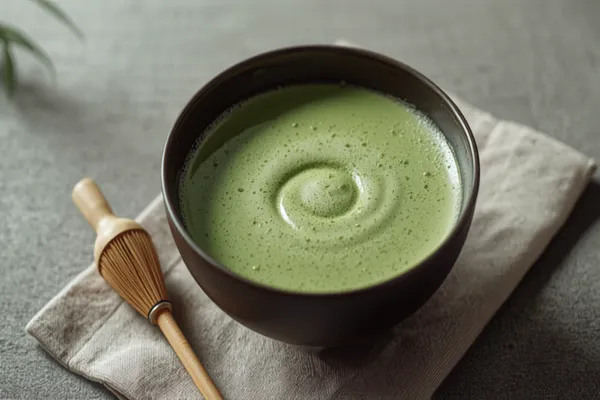
Matcha (Whisked Usucha, Thin Tea)
How to whisk a proper bowl of usucha — thin matcha — with a bamboo chasen: bright, jade-green, frothed to a fine foam, and faintly sweet-bitter. The everyday face of Japan's centuries-old tea tradition, ready in two minutes on a home counter.
Japan (matcha tradition, Uji & Nishio) · Japanese
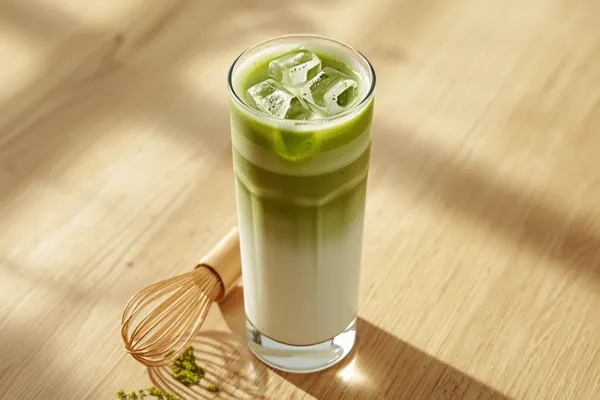
Matcha Latte (Whisked Japanese Green Tea Latte)
Stone-ground Japanese matcha whisked smooth and poured over steamed milk — grassy, sweet and gently caffeinated, with no bitterness when you make it right. A café favourite that's better and cheaper at home.
 21+
21+ American bars (via Japanese Midori) · Japanese-American
Midori Sour (Melon Liqueur, Lemon & Lime)
The bright-green retro sour: sweet Midori melon liqueur balanced with fresh lemon and lime, lengthened with a splash of soda. A vivid, nostalgic crowd-pleaser — sweet-tart, low-proof and unmistakably '80s.
From our kitchen community
Ratings & Reviews
My Rating
Tap a star to rate — no sign-in, no form needed.
My Review
0 Ratings
🥣 0 home cooks made it!
Be the first to rate Japanese Curry (Kare Raisu) with From-Scratch Roux.
Related Recipes
Japan · Japanese
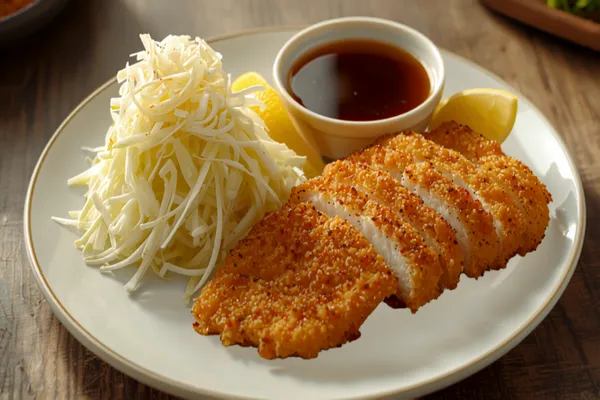
Tonkatsu (Japanese Crispy Breaded Pork Cutlet)
Japan's beloved breaded pork cutlet: a thick pork loin coated in airy panko and fried to a deep golden shatter-crisp, sliced into strips, and served with tangy tonkatsu sauce and a heap of shredded cabbage. Crunchy outside, juicy within.
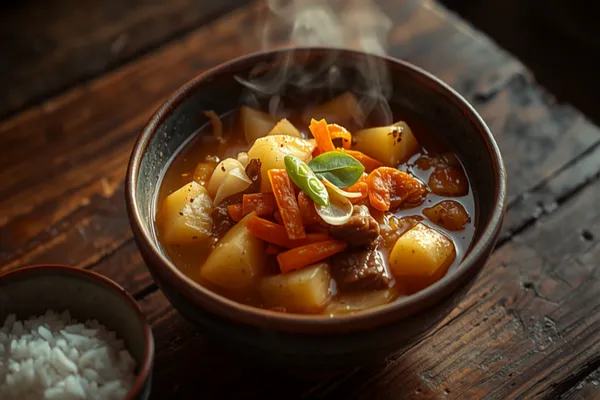
Japan (nationwide home cooking; Kansai favors beef, Kanto often uses pork) · Japanese
Nikujaga (Japanese Soy-Simmered Beef and Potato Stew)
The taste of home in a Japanese kitchen: thin-sliced beef and tender potatoes simmered slow in a sweet dashi-soy broth with onion and carrot. Humble, deeply comforting, and the dish everyone says their mother makes best.
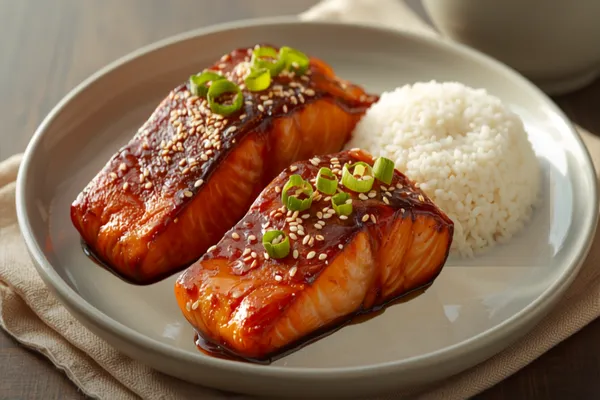
Japan (nationwide home cooking; the teri-yaki glazing method is classic washoku, popularized abroad from the Pacific Northwest) · Japanese
Teriyaki Salmon (Pan-Glazed with Real Teriyaki Sauce)
Salmon pan-seared and glazed in a scratch teriyaki reduction of soy, mirin, sake, and sugar — thickened by the pan, not a bottle. Teriyaki is a glaze technique, not a condiment, and it turns weeknight salmon glossy and lacquered in fifteen minutes.