Japan (nationwide izakaya and washoku home cooking; an Edo-era classic) · Japanese
Agedashi Tofu (Lightly Fried Tofu in Dashi Broth)
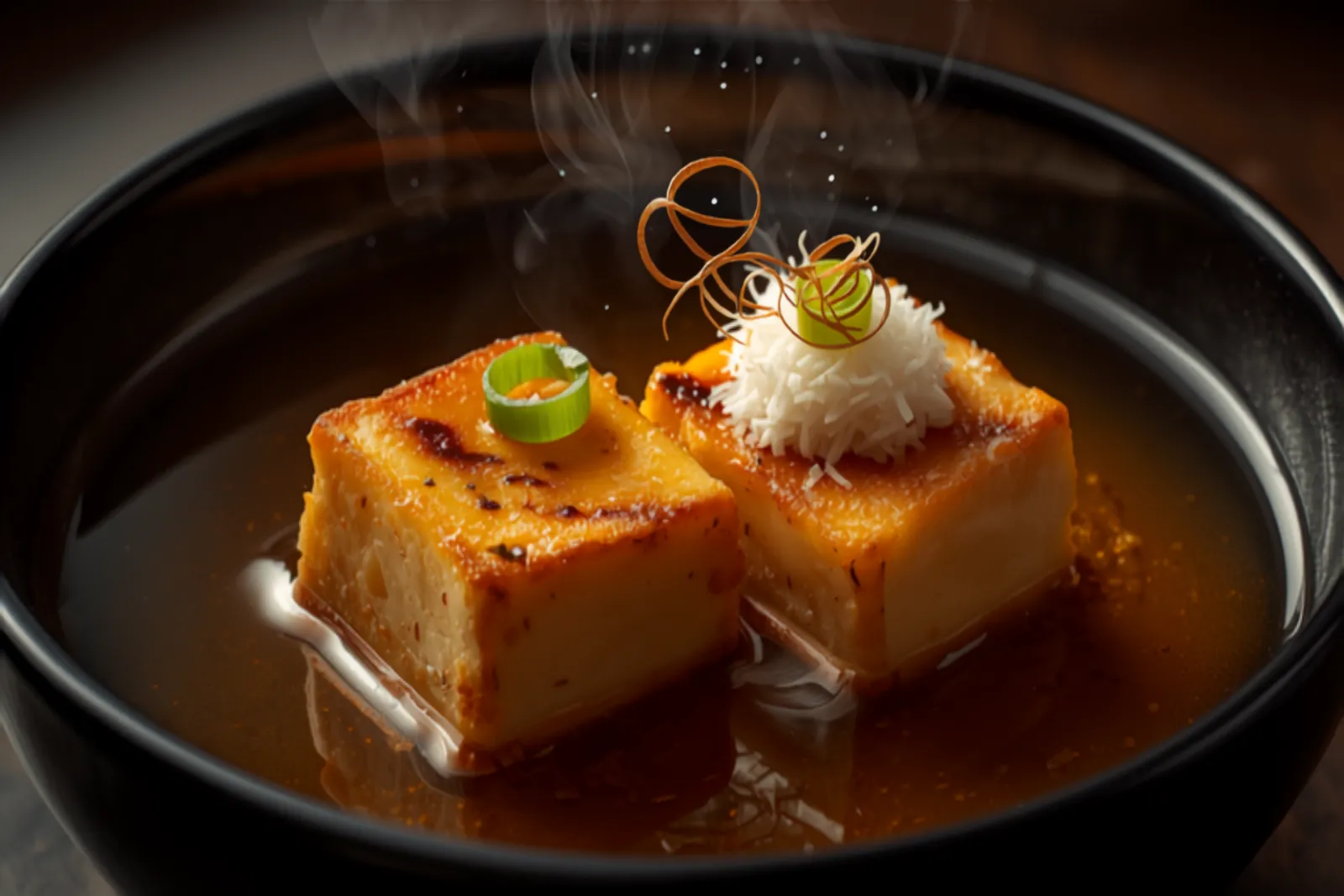
A quietly elegant izakaya classic: silken tofu dusted in potato starch and fried to a delicate crisp, then bathed in a warm dashi-soy tsuyu with grated daikon, scallion, and a flutter of bonito flakes. Crisp, custardy, and deeply comforting.
Published August 3, 2026
Cultural context
Agedashi dofu appears in the 1782 cookbook Tofu Hyakuchin, a whole volume devoted to a hundred ways with tofu — proof of how seriously Japan takes this humble bean curd. It endures as one of the most-ordered small plates at izakaya: the dish that shows a kitchen can coax crisp texture and deep flavor out of something as plain and unassuming as tofu.
Some dishes announce themselves; agedashi tofu murmurs. It arrives at the izakaya table looking almost too plain to bother with — a few pale golden blocks of tofu in a shallow pool of broth, capped with grated radish — and then the first bite explains everything. The shell shatters delicately, the inside is warm and custard-soft, and the dashi seeping up from below ties it all together. It is the kind of dish that quietly proves a kitchen knows what it’s doing.
That reputation is old. Agedashi dofu appears in Tofu Hyakuchin, a 1782 bestseller devoted entirely to a hundred preparations of tofu — evidence of how seriously Japanese cooking treats this humble curd of soybean. Two and a half centuries later, it remains one of the most-ordered small plates in the country.
Dry tofu, crisp tofu
The whole dish turns on one unglamorous step: pressing the tofu. Tofu is mostly water, and water is the enemy here — it spits violently in hot oil and refuses to crisp. Wrap the block, weight it lightly, and give it fifteen minutes to shed its moisture. Then coat it in potato starch at the last possible moment, because starch left sitting against damp tofu turns to paste instead of frying into that fragile, lacy shell. Get those two details right and the rest is easy.
The tsuyu is where dashi shines
If karaage hides its dashi, agedashi tofu puts it front and center. The tsuyu — a warm broth of dashi, soy sauce, and mirin — is what the whole dish is bathed in, so its quality is fully exposed. This is a place where homemade dashi, that clear kombu-and-bonito stock, genuinely earns its keep; you taste it in every spoonful. If dashi is new to you, our guide to dashi walks through it start to finish, and a kombu-shiitake version keeps the whole plate vegetarian.
Assemble like you mean it
Agedashi tofu is a race against its own crisp. The moment the fried shell meets the broth, the clock starts, so pour the warm tsuyu around the tofu rather than over it — the tops stay crisp while the undersides drink up the dashi. Then pile on the cool grated daikon and ginger, whose sharp freshness cuts the fried richness, scatter the scallion, and let a few bonito flakes curl and dance in the heat. Carry it to the table immediately and eat it while the contrast is still perfect.
Hungry for more izakaya small plates and washoku staples? Browse the recipe collection, or linger over the cultural stories behind the food.
Ingredients
For the tofu
- 1 block (300–350 g) soft or silken tofu Momen (firm silken) holds together best for a first attempt; true kinugoshi (silken) is more delicate but gives the most custardy interior.
- 1/3 cup potato starch (katakuriko) The classic coating for a light, crisp shell. Cornstarch works but is slightly less delicate.
For frying
- as needed neutral oil Enough for about 3 cm depth; canola or rice bran oil.
For the tsuyu (broth)
- 1 cup (250 ml) dashi Kombu-katsuo dashi is traditional. For a vegetarian bowl, use kombu-shiitake dashi and finish with a vegetarian garnish.
- 2 tbsp soy sauce
- 2 tbsp mirin The alcohol simmers off, leaving a gentle sweetness that balances the soy.
To garnish
- 2 tbsp grated daikon radish Lightly squeezed of excess water. Its fresh bite cuts the richness of the fried tofu.
- 1 tsp grated fresh ginger
- 1 scallion, thinly sliced
- katsuobushi (bonito flakes) and shichimi togarashi (optional)
Method
Tap a step’s number to check it off as you go.
-
Drain the tofu and press it: wrap the block in a clean towel or paper towels, set a light weight on top, and leave 15 minutes. Then cut into 6 rectangular blocks.
Why: Tofu is mostly water, and wet tofu spits dangerously in hot oil and won't crisp. Pressing out the surface moisture is the single most important prep step.
-
Make the tsuyu: gently simmer the dashi, soy sauce, and mirin together for 2 minutes, then keep warm off the heat.
Why: A brief simmer marries the seasonings and cooks the raw edge off the mirin, giving a rounded, savory-sweet broth that won't overpower the mild tofu.
-
Pat the tofu blocks dry once more, then coat each all over in potato starch just before frying, shaking off the excess.
Why: Coating at the last moment keeps the starch dry and powdery so it fries into a crisp shell; coated too early, it turns gummy from the tofu's moisture.
-
Heat the oil to 180°C (350°F) and fry the tofu in batches, turning, for 3–4 minutes until pale gold and crisp on all sides. Drain briefly on a rack.
Why: A medium-hot oil crisps the starch shell without scorching it, while the inside stays soft and custardy — the crisp-outside, silky-inside contrast that defines the dish.
-
Arrange the fried tofu in shallow bowls and pour the warm tsuyu around (not over) the tofu, filling about a third of the way up.
Why: Pouring around the tofu keeps the crisp tops above the broth as long as possible, so the shell stays crisp while the underside drinks up the dashi.
-
Top with a mound of grated daikon, a dab of grated ginger, sliced scallion, and a flutter of bonito flakes. Serve at once.
Why: The daikon and ginger cut the fried richness, and the bonito flakes, curling in the broth's warmth, add a last hit of smoky umami. Agedashi tofu waits for no one — the crisp fades fast.
A quick, anonymous tap — no review needed.
Variations
- Vegetarian / vegan
Build the tsuyu from kombu-shiitake dashi and skip the bonito garnish, topping instead with extra scallion, daikon, and a sprinkle of toasted sesame. Still deeply savory, entirely plant-based.
- Mushroom agedashi
Simmer sliced shiitake or enoki in the tsuyu and spoon them over the tofu — a heartier, earthier version that leans into the broth.
- Grated-yam (tororo) top
Crown the tofu with grated nagaimo yam for a silky, slightly slippery contrast against the crisp shell — a favorite izakaya flourish.
Serving & Storage
Serve as a hot starter or part of a small-plates spread, straight from the fryer while the shell is still crisp. It pairs beautifully with cold sake or beer and a few other izakaya bites.
Pairs with: Cold or warm sake, Chicken karaage, Edamame, Steamed rice and miso soup.
Storage: Meant to be eaten immediately — the crisp coating goes soft within minutes of meeting the broth. Prep the tsuyu and press the tofu ahead, but fry and assemble to order. Leftover broth keeps refrigerated for a few days.
Nutrition
Per serving (3 pieces with broth)
- Calories
- 220
- Protein
- 11 g
- Carbs
- 16 g
- Fat
- 13 g
- Fiber
- 1 g
- Sugar
- 3 g
- Sodium
- 710 mg
Notable micronutrients: Calcium, Iron, Manganese
Estimated using standard ingredient data. Values vary with brands and substitutions.
Frequently Asked Questions
What kind of tofu should I use?
Soft or silken tofu gives the signature custardy interior that contrasts with the crisp shell. Firm silken (momen) is the most forgiving for beginners because it holds together; true silken (kinugoshi) is more delicate but more luxurious. Press whichever you choose to remove surface water.
Why is my coating soggy?
Usually one of three culprits: the tofu wasn't pressed dry, the starch was applied too early and turned gummy, or the broth was poured over the top and drowned the crust. Press well, coat at the last second, and pour the tsuyu around the tofu rather than over it.
Can I make agedashi tofu without deep-frying?
You can shallow-fry in a couple of centimeters of oil, turning the pieces to crisp each side, or roast the starch-coated tofu in a very hot oven with a generous oil spray. Neither is quite as delicate as deep-frying, but both give a good crisp-soft contrast.
What to drink with this
All drinks →Hand-picked pours to match this dish. Alcoholic pairings are for adults of legal drinking age (21+ in the US) — please drink responsibly.
Japan (the chado tea tradition of Kyoto and Uji, home of Japan's finest matcha) · Japanese
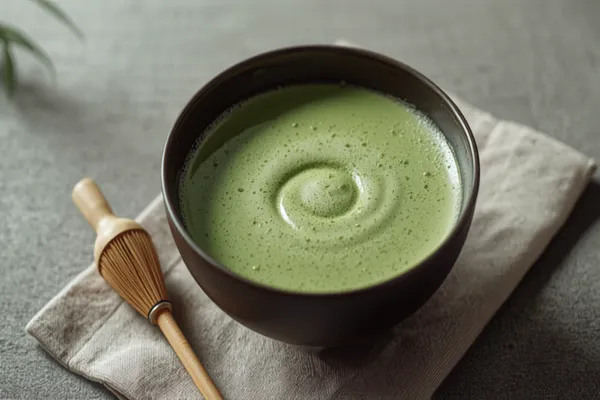
Matcha (Whisked Usucha, Thin Tea)
How to whisk a proper bowl of usucha — thin matcha — with a bamboo chasen: bright, jade-green, frothed to a fine foam, and faintly sweet-bitter. The everyday face of Japan's centuries-old tea tradition, ready in two minutes on a home counter.
Japan (matcha tradition, Uji & Nishio) · Japanese
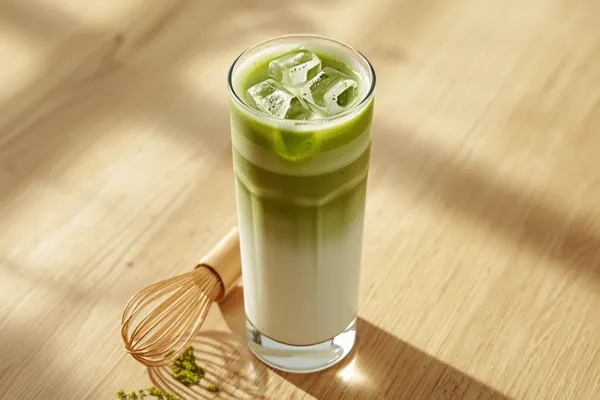
Matcha Latte (Whisked Japanese Green Tea Latte)
Stone-ground Japanese matcha whisked smooth and poured over steamed milk — grassy, sweet and gently caffeinated, with no bitterness when you make it right. A café favourite that's better and cheaper at home.
 21+
21+ American bars (via Japanese Midori) · Japanese-American
Midori Sour (Melon Liqueur, Lemon & Lime)
The bright-green retro sour: sweet Midori melon liqueur balanced with fresh lemon and lime, lengthened with a splash of soda. A vivid, nostalgic crowd-pleaser — sweet-tart, low-proof and unmistakably '80s.
From our kitchen community
Ratings & Reviews
My Rating
Tap a star to rate — no sign-in, no form needed.
My Review
0 Ratings
🥣 0 home cooks made it!
Be the first to rate Agedashi Tofu (Lightly Fried Tofu in Dashi Broth).
Related Recipes
Japan (nationwide home cooking; a daily fixture from Hokkaido to Okinawa) · Japanese
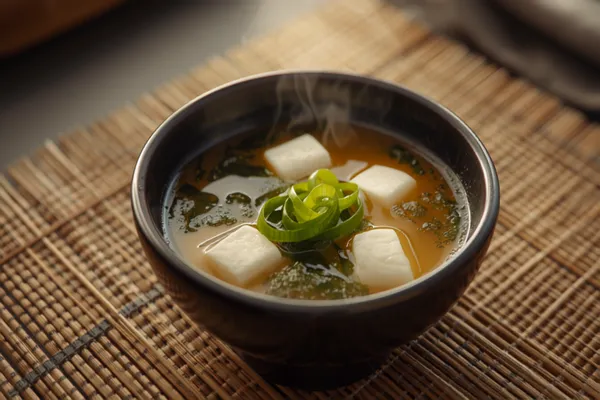
Miso Soup (Miso Shiru with Dashi, Wakame & Tofu)
The quiet backbone of the Japanese table: a clear dashi broth loosened with miso and dotted with soft tofu, wakame, and scallion. Five minutes, a handful of ingredients, and a bowl that tastes like home.
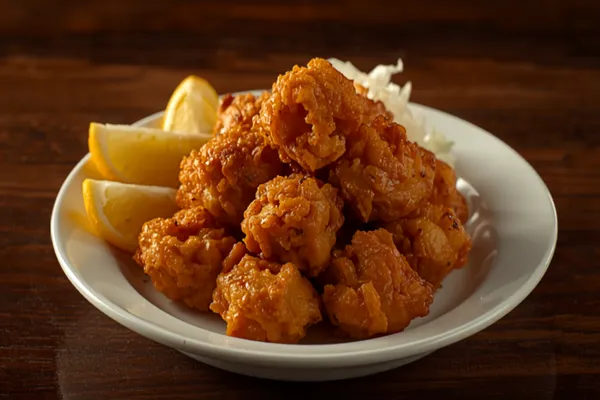
Japan (nationwide izakaya and home cooking; Oita's Nakatsu is its spiritual capital) · Japanese
Chicken Karaage (Japanese Fried Chicken)
Japan's beloved fried chicken: juicy thigh meat steeped in a ginger-garlic-soy marinade, dredged in potato starch, and double-fried to a shatteringly crisp, lacy crust. The izakaya snack and bento hero you'll make on repeat.
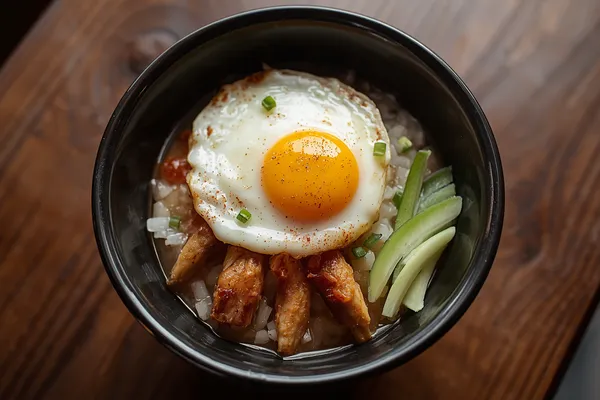
Japan (nationwide home cooking; the donburi tradition is rooted in Tokyo) · Japanese
Oyakodon (Japanese Chicken and Egg Rice Bowl)
The Japanese home-cooking classic: chicken simmered with sweet onions in a dashi-soy broth, bound with barely-set egg and slid over hot rice. Fast, frugal, and deeply comforting — dinner in under thirty minutes.
Further reading
- Ingredient Deep Dive · JapanDashi: The Quiet Foundation Under Japanese CookingBefore miso soup, before noodle broth, before a hundred simmered dishes, there is dashi — the five-minute stock of kelp and dried fish that gives Japanese food its savory depth. Here's what it is, why it matters, and how to make it.
- Cultural Story · JapanA Complete Guide to Japanese CookingJapanese food is not one thing but a whole grammar — washoku and the everyday home meal, the umami of dashi, the discipline of rice, and a country of sharply distinct regions. A guide to the philosophy, the building blocks, and where to start cooking.