Japan (nationwide; the vegetable homestyle version is a festival dish, the sashimi-topped bowl is Edo/Tokyo edomae style) · Japanese
Chirashi Sushi (Scattered Sushi Rice Bowl)
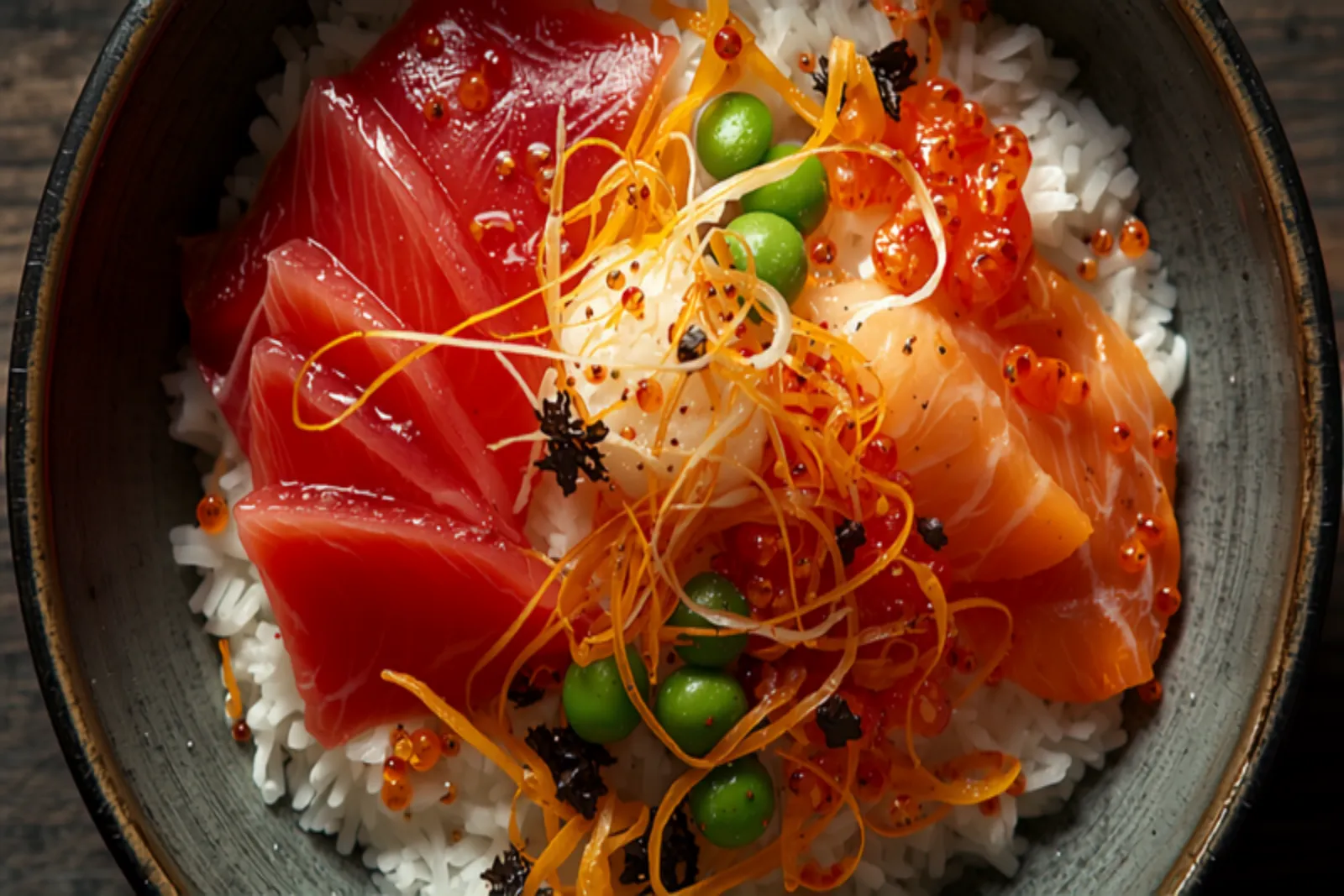
The generous, celebratory cousin of the sushi roll: a bed of seasoned shari scattered with glistening sashimi, or with simmered vegetables and shredded egg. No rolling, no mat — just the best bowl of sushi you can build, homestyle or edomae.
Published August 3, 2026
Cultural context
Chirashi means 'scattered,' and chirashizushi splits into two worlds. The homestyle gomoku (five-ingredient) version folds simmered vegetables, egg, and pickles right into the rice — the bright, kid-friendly dish families make for Hinamatsuri (Girls' Day) in March and other celebrations. The edomae version, the one on restaurant menus, is a lacquer bowl of pristine sushi rice fanned with slices of raw fish. Same name, two personalities: one is a party in a big shared bowl, the other is a jewel box.
If hosomaki is the disciplined roll and nigiri the chef’s showpiece, chirashi sushi is the warm, generous one — the sushi you make when you want abundance without fuss. There is no mat, no rolling, no anxious slicing of logs. You season a big bowl of rice, and you scatter beautiful things over it. Chirashi literally means “scattered,” and the whole dish is an argument that composed generosity beats fiddly precision.
What trips people up is that “chirashi” names two quite different bowls. The one on restaurant menus is the edomae style: a lacquered bowl of pristine sushi rice fanned with glistening slices of raw fish, essentially deconstructed nigiri. But the one Japanese families actually make at home is gomoku (“five-ingredient”) chirashi — simmered shiitake and carrot folded right into the rice, topped with golden shreds of egg, sweet shrimp, snow peas, and salmon roe. No raw fish required. It’s the bright centrepiece of Hinamatsuri, Girls’ Day, every March. Same word, two personalities: a jewel box, or a party in a shared bowl.
It all still stands on the shari
Whichever version you build, the rice is the foundation, and it’s made exactly as it is for rolls: short-grain rice rinsed until the water runs clear, then folded — not stirred — with warm sushi-zu (vinegar, sugar, salt) while you fan it cool. The folding keeps the grains whole and glossy; the fanning flashes off moisture for that signature sheen and firm, room-temperature bite. If you’ve made shari for hosomaki, you already know the move. The difference with homestyle chirashi is that you also fold the cooled simmered vegetables through the rice, so the whole bowl tastes seasoned rather than just topped.
Composing by eye
Chirashi is plated with your eyes, not a recipe. The goal is height, colour contrast, and a little breathing room of white rice showing between the toppings — that negative space is what makes “scattered” read as abundant instead of piled-on. Lay the kinshi tamago (shredded egg) in drifts, fan the fish, dot the ikura where its orange will pop, tuck in something green. There’s no wrong arrangement, which is exactly why it’s such a joyful dish to make with kids and guests.
Homestyle first, always
If raw fish makes you nervous, or you simply can’t source it, don’t hesitate — the vegetable gomoku version is not a consolation prize but arguably the more traditional dish, the one tied to family and festival. Simmered shiitake, sweet glazed carrot, egg ribbons, and blanched greens over vinegared rice is a genuinely great bowl, and each ingredient historically carries a small wish: shrimp for long life, lotus root for a clear road ahead. Food as a fistful of good luck, scattered over rice.
Hungry for more? Browse the full recipe collection, or read more cultural stories behind the food.
Ingredients
For the sushi rice (shari)
- 2 cups short-grain Japanese rice Koshihikari or any Japanese sushi rice; the sticky, glossy short grain is essential.
- 2 cups water Slightly less than for plain steamed rice so the grains stay firm under the toppings.
For the sushi vinegar (sushi-zu)
- 3 tbsp rice vinegar Or use pre-mixed sushi vinegar and skip the sugar and salt.
- 2 tbsp sugar
- 1 tsp fine salt
For the kinshi tamago (shredded egg)
- 2 eggs Beaten with a pinch of sugar and salt, cooked into thin crepes and shredded into golden threads.
Homestyle toppings (gomoku)
- simmered shiitake and carrot Rehydrated dried shiitake and slivered carrot simmered in dashi, soy, mirin, and sugar until glazed, then cooled.
- snow peas or blanched green beans Blanched and thinly sliced on the diagonal for colour and crunch.
- cooked shrimp and/or unagi (grilled eel) Optional but traditional; adds protein without any raw fish.
- ikura (salmon roe) and toasted nori Ikura for pops of colour and brine; shredded nori scattered over the top.
Edomae toppings (sashimi-style)
- 300–400 g total assorted sushi-grade sashimi Tuna (maguro), salmon, yellowtail, and cooked shrimp are common. Must be labelled sushi- or sashimi-grade; keep cold and use the day of purchase.
To serve
- wasabi, soy sauce, pickled ginger (gari), and shiso leaves
Method
Tap a step’s number to check it off as you go.
-
Rinse the rice until the water runs nearly clear, drain 15 minutes, then cook with the measured water in a rice cooker or covered pot.
Why: Washing off surface starch keeps the finished shari glossy and distinct rather than gluey — the foundation the whole bowl rests on.
-
Warm the rice vinegar, sugar, and salt just until dissolved (don't boil) and let it cool while the rice finishes.
Why: Gentle warming dissolves everything evenly; cooling keeps the seasoning from steaming away when it meets the hot rice.
-
Turn the hot rice into a wide non-metal bowl, drizzle the sushi-zu over a paddle, and fold with a slicing motion while fanning until glossy and cooled to body temperature.
Why: Cutting folds coat each grain without crushing them, and fanning gives shari its signature sheen and firm, room-temperature bite. Metal reacts with the vinegar, so use wood, glass, or plastic.
-
Make the kinshi tamago: cook the beaten egg into thin crepes in a lightly oiled pan, stack, roll, and slice into fine golden threads.
Why: Thin, fully-set egg crepes shred into delicate ribbons that lie prettily over the rice; a thick omelette would clump and dominate.
-
For a homestyle bowl, gently fold the cooled simmered shiitake and carrot (and their reduced liquid) through the shari, then spread it in a wide shallow dish or individual bowls.
Why: Folding the simmered vegetables into the rice, rather than only on top, is what makes gomoku chirashi taste seasoned all the way through — the homestyle signature.
-
Scatter the toppings: for homestyle, the egg threads, snow peas, shrimp or unagi, ikura, and nori; for edomae, fan the sliced sashimi attractively over plain shari.
Why: Chirashi is composed by eye — height, colour contrast, and a little negative space of white rice are what make 'scattered' look abundant rather than messy.
-
Serve at once with wasabi, soy sauce, and pickled ginger on the side.
Why: Room-temperature shari and cold fish are at their best right away; the rice hardens and the fish loses its edge if it sits.
A quick, anonymous tap — no review needed.
Variations
- Fully vegetarian chirashi
Skip the fish and shrimp entirely and lean on the homestyle formula: simmered shiitake and carrot, kinshi tamago, snow peas, blanched lotus root, edamame, and avocado. Colourful and completely meat-free (omit the egg to make it vegan and add marinated tofu).
- Barazushi (Kansai homestyle)
A regional cousin, especially loved around Okayama, where even more simmered ingredients — including conger eel and mamakari fish — are mixed through the rice for a denser, more festive bowl.
- Bara-chirashi (chopped)
A casual lunch version where the sashimi is diced into cubes and tossed loosely over the rice, easier to eat with a spoon and a great way to use smaller cuts of fish.
Serving & Storage
Chirashi is a sharing dish at heart — build one big shallow bowl for the table at a celebration, or plate individual bowls. It's the traditional centrepiece of Hinamatsuri (Girls' Day) in March. Serve with miso soup and a clear soup with clams (osuimono) for a full festive spread.
Pairs with: Miso soup, Clear clam soup (osuimono), Cold sake or green tea.
Storage: Best eaten the day it's made. The homestyle vegetable version (without raw fish) holds a few hours at cool room temperature and even packs into a bento; never refrigerate the assembled bowl, as cold ruins the rice. Any raw fish should be kept chilled until serving and not held over.
Nutrition
Per serving (1 bowl)
- Calories
- 480
- Protein
- 24 g
- Carbs
- 70 g
- Fat
- 9 g
- Fiber
- 3 g
- Sugar
- 10 g
- Sodium
- 720 mg
Notable micronutrients: Vitamin B12, Selenium, Vitamin A
Estimated using standard ingredient data. Values vary with brands and substitutions.
Frequently Asked Questions
What's the difference between chirashi and a poke bowl?
Both are fish over rice, but chirashi uses seasoned, vinegared sushi rice (shari) at room temperature and the fish is sliced and arranged, often unseasoned. Poke is a Hawaiian dish of marinated, cubed fish over plain warm rice. Different rice, different lineage.
Do I have to use raw fish?
Not at all — the homestyle gomoku chirashi is traditionally made with no raw fish, using simmered vegetables, egg, shrimp, and unagi. It's the version families make for celebrations and a perfect place to start.
Why is chirashi eaten on Girls' Day?
The bright, multicoloured bowl is considered auspicious and celebratory, and its many ingredients each carry wishes — shrimp for long life, lotus root for a clear future, beans for health. It's food as a bundle of good wishes for the girls of the household.
What to drink with this
All drinks →Hand-picked pours to match this dish. Alcoholic pairings are for adults of legal drinking age (21+ in the US) — please drink responsibly.
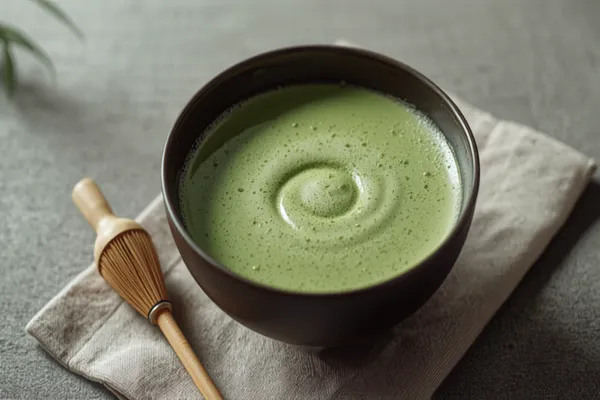
Japan (the chado tea tradition of Kyoto and Uji, home of Japan's finest matcha) · Japanese
Matcha (Whisked Usucha, Thin Tea)
How to whisk a proper bowl of usucha — thin matcha — with a bamboo chasen: bright, jade-green, frothed to a fine foam, and faintly sweet-bitter. The everyday face of Japan's centuries-old tea tradition, ready in two minutes on a home counter.
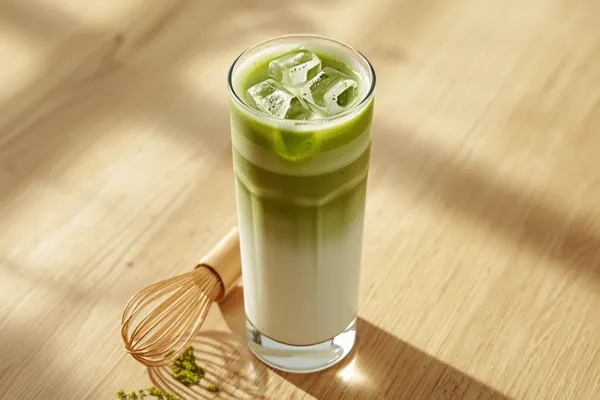
Japan (matcha tradition, Uji & Nishio) · Japanese
Matcha Latte (Whisked Japanese Green Tea Latte)
Stone-ground Japanese matcha whisked smooth and poured over steamed milk — grassy, sweet and gently caffeinated, with no bitterness when you make it right. A café favourite that's better and cheaper at home.
 21+
21+ American bars (via Japanese Midori) · Japanese-American
Midori Sour (Melon Liqueur, Lemon & Lime)
The bright-green retro sour: sweet Midori melon liqueur balanced with fresh lemon and lime, lengthened with a splash of soda. A vivid, nostalgic crowd-pleaser — sweet-tart, low-proof and unmistakably '80s.
From our kitchen community
Ratings & Reviews
My Rating
Tap a star to rate — no sign-in, no form needed.
My Review
0 Ratings
🥣 0 home cooks made it!
Be the first to rate Chirashi Sushi (Scattered Sushi Rice Bowl).
Related Recipes
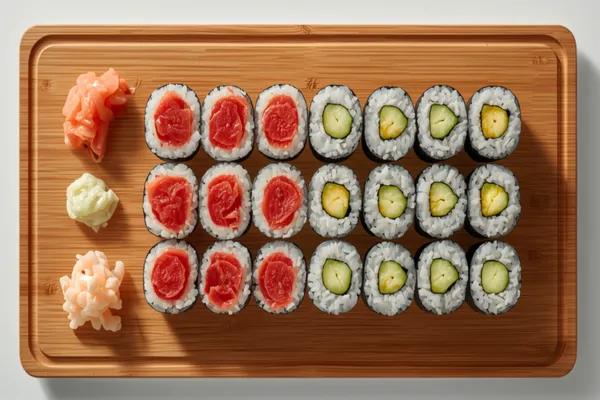
Japan (the maki tradition is rooted in Edo/Tokyo-style edomae sushi) · Japanese
Hosomaki (Thin Sushi Rolls: Tekkamaki & Kappamaki)
The elegant thin sushi roll — a single filling of tuna or cucumber wrapped in nori and seasoned rice, sliced into neat rounds. Learn to season shari (sushi rice) and roll cleanly with a makisu, and you hold the key to all of maki-zushi.
Japan · Japanese
Nigiri Sushi (Salmon and Tuna)
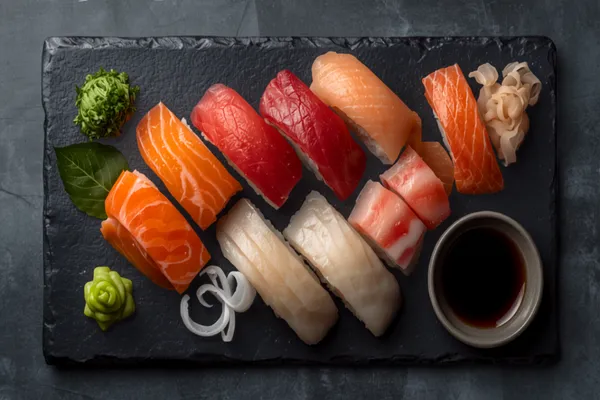
Hand-pressed Japanese nigiri — seasoned sushi rice topped with glistening slices of fresh salmon and tuna, with a dab of wasabi between. A lesson in sushi rice, the knife, and restraint, plus a simple maki roll to round out the platter.
Japan (nationwide home cooking; a daily fixture from Hokkaido to Okinawa) · Japanese
Miso Soup (Miso Shiru with Dashi, Wakame & Tofu)
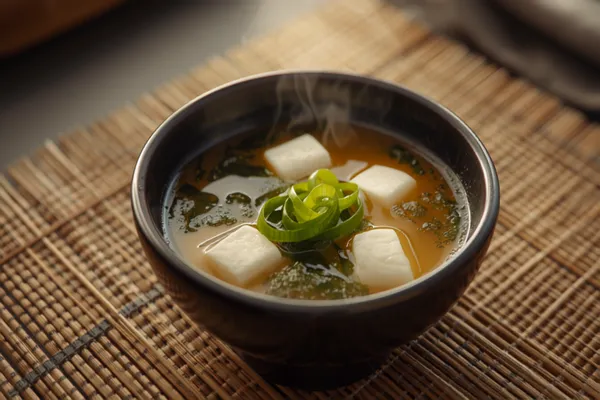
The quiet backbone of the Japanese table: a clear dashi broth loosened with miso and dotted with soft tofu, wakame, and scallion. Five minutes, a handful of ingredients, and a bowl that tastes like home.