Japan (the maki tradition is rooted in Edo/Tokyo-style edomae sushi) · Japanese
Hosomaki (Thin Sushi Rolls: Tekkamaki & Kappamaki)
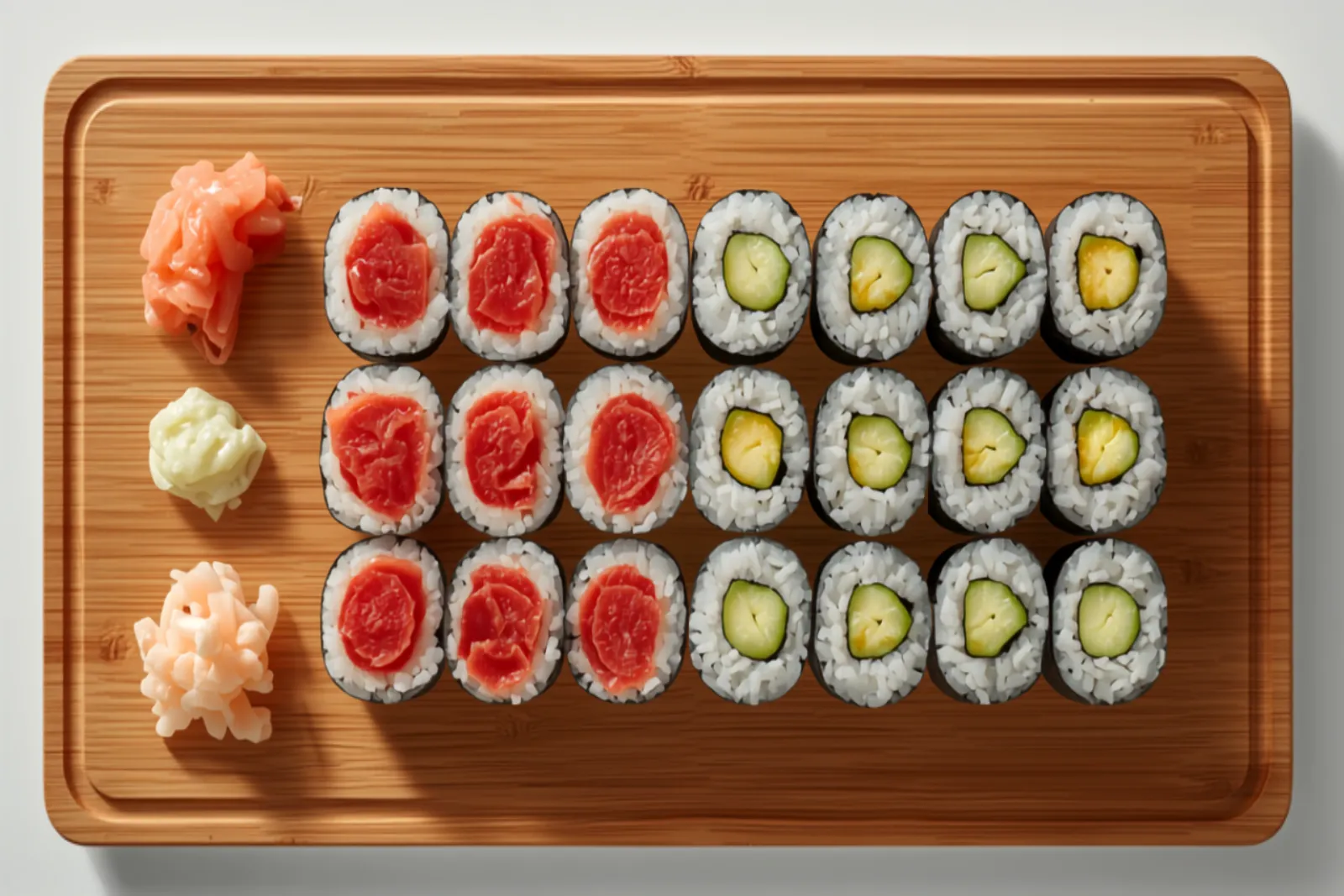
The elegant thin sushi roll — a single filling of tuna or cucumber wrapped in nori and seasoned rice, sliced into neat rounds. Learn to season shari (sushi rice) and roll cleanly with a makisu, and you hold the key to all of maki-zushi.
Published August 3, 2026
Cultural context
Hosomaki — 'thin roll' — is the disciplined, minimalist heart of maki-zushi: one filling, half a sheet of nori, rice on the outside of nothing and the inside of everything. The tuna version, tekkamaki, is said to be named for the tekkaba (gambling dens) where it was eaten one-handed like a card-table snack. The cucumber kappamaki nods to the kappa, a mischievous river-imp of folklore with a famous taste for cucumber. Together they teach the two skills all sushi rests on: seasoning the rice and rolling it.
Everyone thinks sushi is about the fish. It isn’t — it’s about the rice. The word sushi refers to the seasoned rice, not the topping, and once you understand that, the whole craft reorganizes itself in your head. Hosomaki, the thin single-filling roll, is where you should start, because it strips the art down to its two load-bearing skills: seasoning the rice, and rolling it. Get those, and every fancier roll is just a remix.
The two classics are wonderful company. Tekkamaki, the tuna roll, supposedly took its name from the tekkaba — the gambling dens where men ate it one-handed, keeping the other hand free for their cards. Kappamaki, the cucumber roll, is named for the kappa, a green, saucer-headed river-imp of Japanese folklore with an inexplicable weakness for cucumbers. One roll is rich and red, the other cool and green, and between them they cover everything a beginner needs to practice.
Shari: the seasoned rice that is actually the dish
Shari is short-grain rice tossed with sushi-zu — a warm blend of rice vinegar, sugar, and salt — while you fan it cool. Three things make or break it. First, rinse the raw rice until the water runs clear, or surface starch turns it gluey. Second, fold the vinegar in with a slicing motion rather than stirring, so the grains stay whole and glossy instead of mashing into paste. Third, fan as you fold: the moving air flashes off surface moisture and gives shari its distinctive sheen and firm, room-temperature bite. Never use fridge-cold rice — it’s hard, flavourless, and cracks the nori.
Rolling with a makisu
The bamboo mat, the makisu, does the shaping for you once you trust it. Lay a half-sheet of nori shiny-side down, and with vinegar-water hands (tezu, so the rice doesn’t cling to you) spread a thin, even layer of rice, leaving a bare strip along the far edge — that strip becomes the glue that seals the roll. Lay your filling a third of the way up, then lift the near edge of the mat up and over, tuck it snug against the filling on the first turn, and roll forward, pressing gently through the mat to compact without crushing. A wet, wiped knife slices the log into clean rounds; a dry one drags and tears.
Eat it the way it’s built
Dip the fish side, not the rice side, lightly into soy — plunging the rice makes it drink the salt and collapse. A little wasabi, a slice of gari (pickled ginger) between pieces to reset your palate, and you’re eating the way sushi is meant to be eaten. And if raw fish makes you nervous, the cucumber kappamaki asks nothing of you but the same two skills and rewards you just as fully.
Hungry for more? Browse the full recipe collection, or read more cultural stories behind the food.
Ingredients
For the sushi rice (shari)
- 2 cups short-grain Japanese rice Koshihikari or any Japanese short-grain sushi rice. Do not substitute long-grain — the stickiness is the point.
- 2 cups water Roughly a 1:1 ratio for sushi rice, slightly less than for plain steamed rice so the grains stay firm.
- 1 piece kombu (optional) A 2-inch square laid on top while the rice cooks adds a whisper of umami; remove before mixing.
For the sushi vinegar (sushi-zu)
- 3 tbsp rice vinegar Unseasoned. Or use pre-mixed 'sushi vinegar' and skip the sugar and salt below.
- 2 tbsp sugar
- 1 tsp fine salt
For rolling
- 2 sheets nori Cut each full sheet in half to make four half-sheets — a half-sheet is the standard size for hosomaki.
For tekkamaki (tuna)
- 120 g sushi-grade tuna Must be labelled sushi- or sashimi-grade. Cut into long 1/2-inch square batons.
For kappamaki (cucumber)
- 1/2 Japanese or Persian cucumber Seeds removed, cut into long thin batons. These small cucumbers stay crisp and aren't watery.
To serve
- wasabi, soy sauce, and pickled ginger (gari)
For your hands
- tezu (hand-dipping water) A small bowl of water with a splash of rice vinegar, to keep the rice from gluing itself to your fingers.
Method
Tap a step’s number to check it off as you go.
-
Rinse the rice in several changes of cold water until the water runs nearly clear, then drain 15 minutes. Cook with the measured water (and kombu, if using) in a rice cooker or covered pot.
Why: Rinsing washes off surface starch so the finished rice is glossy and separate, not gluey. The brief rest lets the grains hydrate evenly for a consistent cook.
-
While the rice cooks, warm the vinegar, sugar, and salt just until dissolved (don't boil), then let it cool. This is your sushi-zu.
Why: Gentle warming dissolves the sugar and salt fully; cooling it keeps it from steaming off when it hits the hot rice.
-
Turn the hot cooked rice into a wide, non-metal bowl. Drizzle the sushi-zu over a rice paddle so it distributes, then fold — don't stir — with a slicing motion while fanning to cool.
Why: Cutting folds coat every grain without crushing them into mush, and fanning flashes off surface moisture to give shari its signature glossy, slightly firm, room-temperature texture. Metal bowls can react with the vinegar.
-
Cover the shari with a damp cloth and let it come to body temperature. Set up your makisu (bamboo mat), a bowl of tezu, the nori, and the fillings.
Why: Rice at body temperature is pliable and tastes sweetest; cold-from-the-fridge rice is hard and cracks. Having everything staged lets you roll before the nori softens.
-
Lay a half-sheet of nori shiny-side down on the mat. With tezu-dampened hands, spread a thin, even layer of rice (about 80 g) over it, leaving a 1 cm bare strip along the far edge.
Why: A thin, even rice layer is what makes hosomaki elegant rather than bulky, and the bare far strip becomes the glue seam that seals the roll shut.
-
Lay a line of filling across the rice about a third of the way up. Lift the mat's near edge and roll it up and over the filling, tucking to form a cylinder, then press gently along the mat to seal and shape.
Why: Tucking the filling snugly on the first turn keeps it centered; a firm but gentle press with the mat compacts the roll so it holds together without squashing the rice into paste.
-
Wet a sharp knife, wipe it, and cut each roll into 6 pieces, cleaning and re-wetting the blade between cuts.
Why: A wet, clean blade slices through sticky rice without dragging or tearing, so the pieces keep their round shape and don't smear.
A quick, anonymous tap — no review needed.
Variations
- Vegetarian rolls
Beyond kappamaki, try thin rolls of takuan (yellow pickled daikon, called shinko-maki), blanched spinach with sesame, or avocado. All are naturally vegetarian and beautiful.
- Negitoro-maki
Instead of a clean baton of tuna, use minced fatty tuna scraps mixed with finely chopped scallion (negi). Rich, soft, and a great way to use trim.
- Brown-rice or lower-sugar shari
Short-grain brown rice makes a nuttier, higher-fiber roll (cook it a touch softer to stay pliable). You can also halve the sugar in the sushi-zu for a sharper, more restaurant-modern seasoning.
Serving & Storage
Arrange the cut rolls cut-side up on a board or plate so the fillings show, with small mounds of wasabi and pickled ginger and a shallow dish of soy sauce for dipping. Eat with the fish side dipped lightly in soy — dunking the rice side floods it and makes it fall apart.
Pairs with: Miso soup, Agedashi tofu, Green tea or cold sake.
Storage: Sushi is a same-day pleasure. Rice hardens and refrigeration ruins its texture, and raw fish shouldn't be held — assemble and eat within a few hours, keeping the fish chilled until you roll. Store cut rolls no more than a few hours, covered, at cool room temperature.
Nutrition
Per serving (About 8 pieces)
- Calories
- 330
- Protein
- 14 g
- Carbs
- 60 g
- Fat
- 2 g
- Fiber
- 2 g
- Sugar
- 8 g
- Sodium
- 520 mg
Notable micronutrients: Iodine, Selenium, Vitamin B12
Estimated using standard ingredient data. Values vary with brands and substitutions.
Frequently Asked Questions
What's the difference between hosomaki, futomaki, and uramaki?
Hosomaki is the thin roll — one filling, nori on the outside, made on a half-sheet. Futomaki is the fat roll with several fillings on a full sheet. Uramaki is the 'inside-out' roll (like a California roll) with the rice on the outside. Master hosomaki first; the rest are variations on the same two skills.
Can I make sushi rice without a rice cooker?
Absolutely. Use a heavy pot with a tight lid: bring to a boil, drop to the lowest heat for 12–13 minutes, then rest off the heat, covered, for 10 minutes before seasoning. The rest is as important as the cook.
How do I know my fish is safe to eat raw?
Buy fish explicitly labelled 'sushi-grade' or 'sashimi-grade' from a trusted fishmonger, keep it cold, and use it the day you buy it. If you're at all unsure, make the cucumber kappamaki or use cooked fillings like poached shrimp or unagi — no less delicious, no risk.
What to drink with this
All drinks →Hand-picked pours to match this dish. Alcoholic pairings are for adults of legal drinking age (21+ in the US) — please drink responsibly.
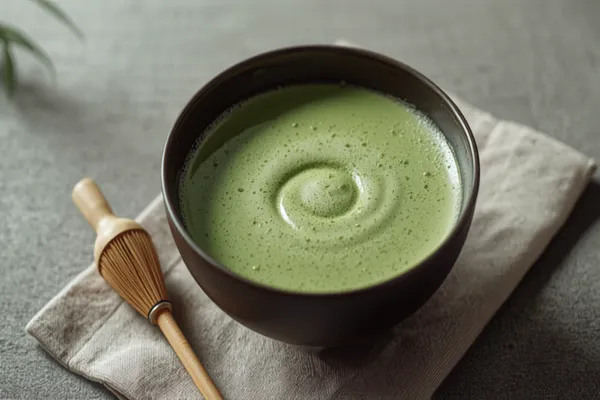
Japan (the chado tea tradition of Kyoto and Uji, home of Japan's finest matcha) · Japanese
Matcha (Whisked Usucha, Thin Tea)
How to whisk a proper bowl of usucha — thin matcha — with a bamboo chasen: bright, jade-green, frothed to a fine foam, and faintly sweet-bitter. The everyday face of Japan's centuries-old tea tradition, ready in two minutes on a home counter.
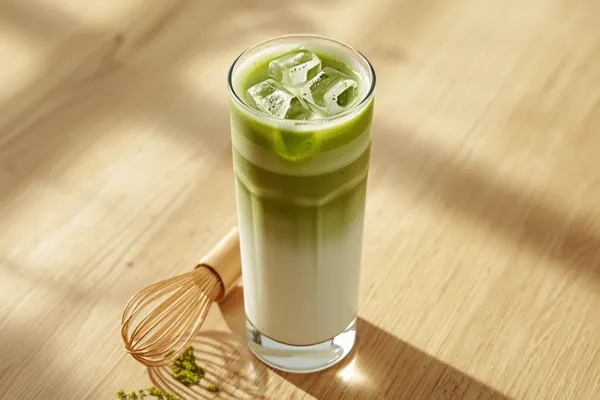
Japan (matcha tradition, Uji & Nishio) · Japanese
Matcha Latte (Whisked Japanese Green Tea Latte)
Stone-ground Japanese matcha whisked smooth and poured over steamed milk — grassy, sweet and gently caffeinated, with no bitterness when you make it right. A café favourite that's better and cheaper at home.
 21+
21+ American bars (via Japanese Midori) · Japanese-American
Midori Sour (Melon Liqueur, Lemon & Lime)
The bright-green retro sour: sweet Midori melon liqueur balanced with fresh lemon and lime, lengthened with a splash of soda. A vivid, nostalgic crowd-pleaser — sweet-tart, low-proof and unmistakably '80s.
From our kitchen community
Ratings & Reviews
My Rating
Tap a star to rate — no sign-in, no form needed.
My Review
0 Ratings
🥣 0 home cooks made it!
Be the first to rate Hosomaki (Thin Sushi Rolls: Tekkamaki & Kappamaki).
Related Recipes
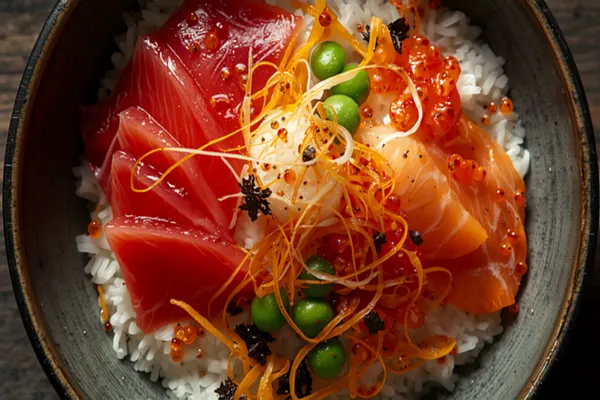
Japan (nationwide; the vegetable homestyle version is a festival dish, the sashimi-topped bowl is Edo/Tokyo edomae style) · Japanese
Chirashi Sushi (Scattered Sushi Rice Bowl)
The generous, celebratory cousin of the sushi roll: a bed of seasoned shari scattered with glistening sashimi, or with simmered vegetables and shredded egg. No rolling, no mat — just the best bowl of sushi you can build, homestyle or edomae.
Japan · Japanese
Nigiri Sushi (Salmon and Tuna)
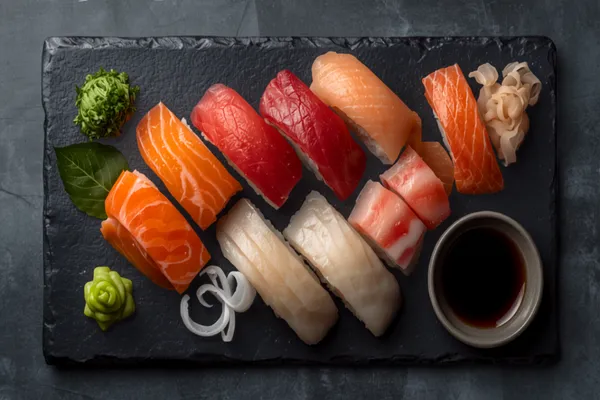
Hand-pressed Japanese nigiri — seasoned sushi rice topped with glistening slices of fresh salmon and tuna, with a dab of wasabi between. A lesson in sushi rice, the knife, and restraint, plus a simple maki roll to round out the platter.
Japan (nationwide home cooking; a daily fixture from Hokkaido to Okinawa) · Japanese
Miso Soup (Miso Shiru with Dashi, Wakame & Tofu)
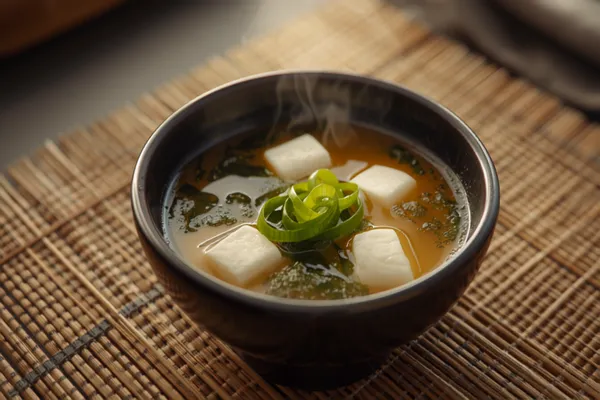
The quiet backbone of the Japanese table: a clear dashi broth loosened with miso and dotted with soft tofu, wakame, and scallion. Five minutes, a handful of ingredients, and a bowl that tastes like home.