Morocco (Maghreb) · Moroccan
Harira (Moroccan Chickpea, Lentil and Tomato Soup)
Morocco's beloved soup: a hearty, tangy broth of chickpeas, lentils and tomatoes thickened with a flour-and-water tadouira, fragrant with ginger, turmeric and a flurry of herbs. The traditional dish for breaking the Ramadan fast.
Published June 24, 2026
Cultural context
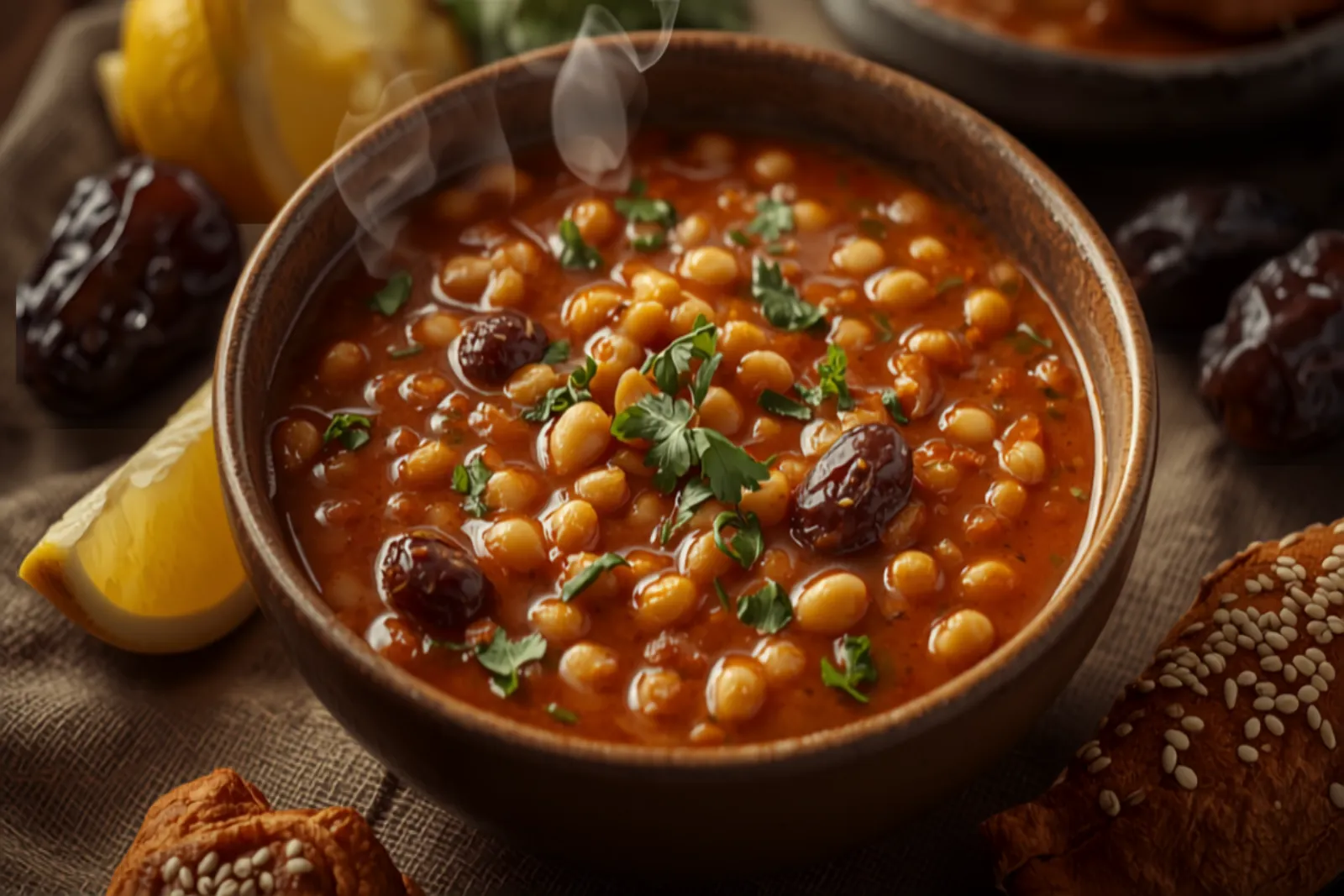
Harira is the soup of Morocco — eaten year-round but above all at iftar, the breaking of the Ramadan fast, traditionally served with dates and sticky chebakia pastries. Recipes vary by household and region: some are meat-rich, some meatless; some finish with beaten egg, others with a flour-water thickener called tadouira. The constants are tomato, chickpeas, lentils, and a generous final hit of coriander and parsley.
Harira is the soup of Morocco — a hearty, gently tangy broth of chickpeas, lentils and tomato, fragrant with ginger, turmeric and cinnamon and finished with a flurry of fresh coriander and parsley. It’s eaten year-round, but above all at iftar, the breaking of the Ramadan fast, traditionally served with sweet dates and sticky chebakia pastries. Every household has its own version; the constants are the tomato-and-pulse base and that big herbal finish.
Build the base slowly
Harira’s warmth comes from blooming the dry spices — ginger, turmeric, cinnamon, pepper — in fat at the start, with onion and celery and, if you like, a little lamb or beef. From there it’s a patient simmer: lentils and tomato cooked down until soft and melded, chickpeas added later so they stay whole. Meatless harira is just as traditional, so leave the meat out and lean on the pulses if you prefer.
The tadouira makes it silky
What sets harira apart from an ordinary lentil soup is its texture — velvety and lightly thickened — and that comes from the tadouira, a simple slurry of flour whisked into water that’s stirred in near the end. Add it slowly while stirring so it stays smooth, then finish with a generous handful of fresh herbs and a squeeze of lemon to lift the whole pot. Serve it hot, with dates and lemon alongside.
For more of the Moroccan table, try vegetable couscous and zaalouk, or browse the full recipe collection.
Ingredients
For the soup
- 250 g lamb or beef, in small cubes (optional) Traditional but optional. Leave out for a vegetarian harira and add extra chickpeas.
- 3 tbsp olive oil or butter (smen, if you have it)
- 1 large onion, finely chopped
- 2 stalks celery, finely chopped (leaves too)
- 2 tsp ground ginger
- 1 tsp ground turmeric
- 1 tsp ground cinnamon
- 1/2 tsp black pepper, plus a pinch of saffron (optional)
- 150 g brown or green lentils, rinsed
- 1 can (400 g) chickpeas, drained (or 200 g soaked dried)
- 800 g ripe tomatoes, blended (or 2 cans chopped tomatoes)
- 2 tbsp tomato paste
- 1.5 litres water or stock
For the herbs
- 1 large bunch each fresh coriander and parsley, chopped
For the tadouira (thickener)
- 4 tbsp plain flour whisked into 250 ml cold water Or use a handful of broken vermicelli instead for a different texture.
To serve
- lemon wedges, dates, and chebakia or bread
Method
Tap a step’s number to check it off as you go.
-
If using meat, brown it in the oil with the onion, celery and spices for a few minutes until fragrant.
Why: Searing the meat and blooming the dry spices in fat builds the deep, warm base flavour that defines harira.
-
Add the lentils, tomatoes, tomato paste, half the herbs and the water. Simmer, covered, 45 minutes until the lentils are soft.
Why: A long simmer melds the tomato and spice and cooks the lentils to tenderness, forming the body of the soup.
-
Add the chickpeas and simmer another 15 minutes.
Why: Adding the already-tender chickpeas later keeps them intact rather than breaking down to mush.
-
Whisk the flour-and-water tadouira smooth, then stir it slowly into the simmering soup. Cook 10 minutes, stirring, until silky and slightly thickened.
Why: The tadouira is what gives harira its signature velvety, lightly thickened body — pour it in slowly and keep stirring so it doesn't clump.
-
Stir in the rest of the coriander and parsley and a squeeze of lemon. Taste for salt.
Why: A big finishing hit of fresh herbs and lemon lifts the rich, long-cooked base — it's what makes harira taste alive.
-
Serve hot with lemon wedges, dates and bread or chebakia.
Why: The traditional accompaniments — sweet dates, sticky chebakia, sharp lemon — are part of the iftar ritual and balance the savoury soup.
A quick, anonymous tap — no review needed.
Variations
- Vegetarian / vegan
Leave out the meat, use olive oil and water or vegetable stock, and add extra chickpeas or lentils. A completely traditional way to make harira.
- With vermicelli
Instead of (or as well as) the flour thickener, add a handful of broken vermicelli noodles in the last 10 minutes for the version some families prefer.
- Egg-finished
Some cooks beat an egg or two and swirl it through at the very end for extra body, in place of part of the tadouira.
Serving & Storage
Serve piping hot with lemon wedges to squeeze in, alongside dates and sticky chebakia pastries (the classic Ramadan pairing) or simply good bread.
Pairs with: Dates, Chebakia or msemen, Crusty bread, Lemon wedges.
Storage: Keeps 4 days refrigerated and tastes even better the next day; it thickens as it sits, so loosen with water when reheating. Freezes well.
Nutrition
Per serving (1 large bowl (1/6 recipe))
- Calories
- 290
- Protein
- 14 g
- Carbs
- 38 g
- Fat
- 9 g
- Fiber
- 9 g
- Sugar
- 8 g
- Sodium
- 480 mg
Notable micronutrients: Iron, Folate, Vitamin C, Potassium
Estimated using standard ingredient data. Values vary with brands and substitutions.
Frequently Asked Questions
What is the tadouira?
It's the flour-and-water (sometimes flour-and-tomato) slurry stirred in near the end to give harira its silky, lightly thickened texture. Whisk it smooth and add it slowly while stirring so it doesn't form lumps.
Does harira have to contain meat?
No. Meat (usually lamb or beef) is traditional in many households, but meatless harira is equally authentic and common, especially as everyday food. Just add extra pulses for heartiness.
Why serve it with dates?
At Ramadan, the fast is traditionally broken with dates and harira together — the sweet dates and the savoury, tangy soup balance each other, and the combination is part of the ritual.
What to drink with this
All drinks →Hand-picked pours to match this dish.

Morocco (the Maghreb) · Moroccan
Moroccan Mint Tea (Atay — Maghrebi Mint Tea)
Morocco's sweet, fragrant green tea poured from a height into a frothy glass. The proper method — washing the tea, layering the mint, and the famous long pour — plus how sweet it really should be.

Turkey (Ottoman coffee tradition) · Turkish
Turkish Coffee (Türk Kahvesi — Unfiltered & Foamy)
Finely ground coffee simmered slowly in a cezve to a rich foam, served unfiltered in tiny cups. The grind, the heat and the foam that make it — plus the ritual of the grounds left behind.

Mexico (agua fresca tradition) · Mexican
Agua de Jamaica (Hibiscus Iced Tea)
Mexico's ruby-red hibiscus cooler: dried jamaica flowers steeped, sweetened and chilled into a tart, refreshing agua fresca. The right steep, how to control the tartness, and why it's so good for you.
From our kitchen community
Ratings & Reviews
My Rating
Tap a star to rate — no sign-in, no form needed.
My Review
0 Ratings
🥣 0 home cooks made it!
Be the first to rate Harira (Moroccan Chickpea, Lentil and Tomato Soup).
Related Recipes
Morocco (Maghreb) · Moroccan
Moroccan Vegetable Couscous (Seven-Vegetable Couscous)
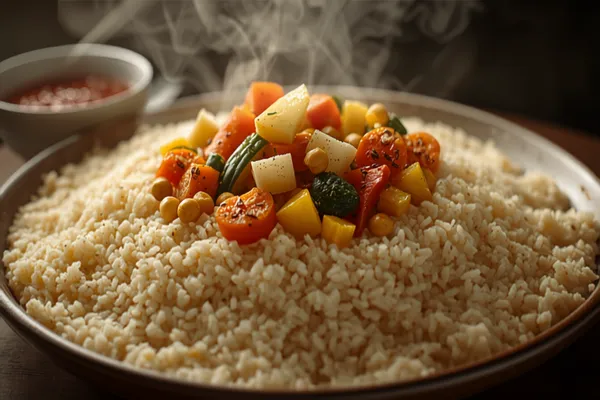
The Friday couscous: fluffy steamed semolina mounded under a fragrant broth of seven vegetables — carrots, turnip, squash, courgette, chickpeas and more — gently spiced and slow-simmered. A celebratory one-pot for the table.
Morocco (Maghreb) · Moroccan
Zaalouk (Moroccan Smoky Eggplant and Tomato Salad)
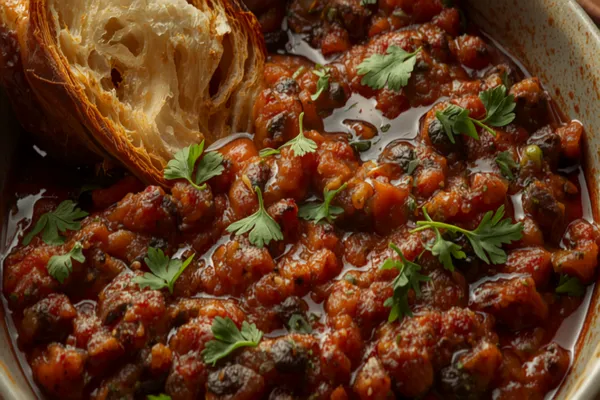
A Moroccan cooked salad to love: charred eggplant and tomato melted down with garlic, cumin, paprika and coriander into a smoky, jammy dip. Scooped with bread, warm or at room temperature, on every Moroccan table.
Morocco · Moroccan
Moroccan Chicken Tagine with Preserved Lemon and Olives
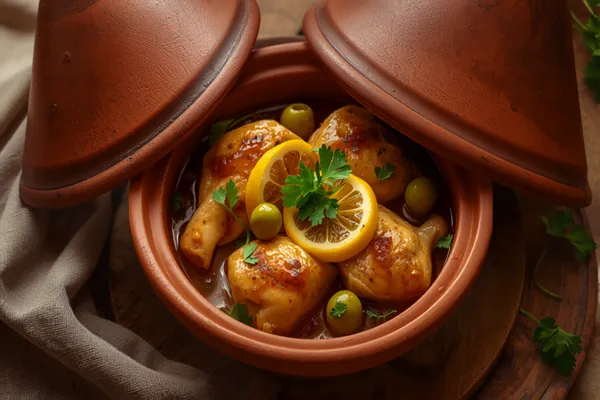
The classic of the Moroccan table: chicken slow-cooked with preserved lemon, green olives, ginger, and saffron until the meat slips off the bone in a golden, deeply savoury sauce. Aromatic, gently spiced, and far easier than it looks.
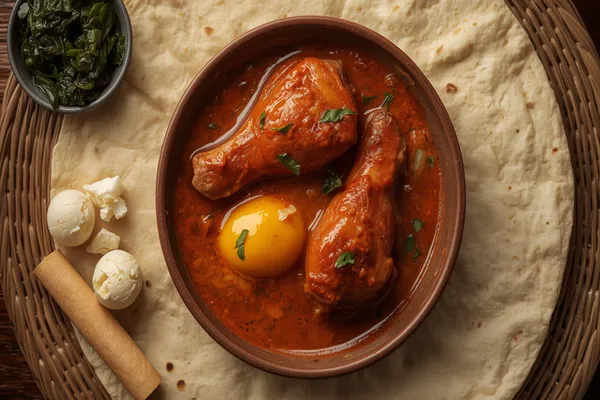
The Ethiopian highlands — Amhara and Addis Ababa, shared across the Horn of Africa · Ethiopian
Doro Wat (Ethiopian Spiced Chicken Stew)
Ethiopia's feast-day chicken stew, built the slow way: a kilo of onions dry-cooked to a purée before any fat touches the pan, berbere and spiced butter bloomed into them, and chicken and whole eggs simmered until the sauce turns mahogany.
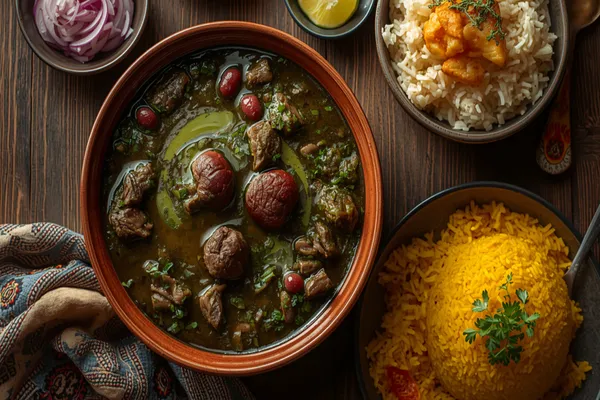
Iran — a national dish cooked from Tehran and Tabriz to Shiraz, with the herb blend shifting from province to province · Persian
Ghormeh Sabzi (Persian Herb Stew)
Iran's national stew — kilos of parsley, coriander and fenugreek fried down to a near-black green, simmered for hours with lamb, red kidney beans and dried Persian limes until the whole pot turns deep, sour and unmistakably Persian.