Managua and Nicaragua's Pacific cattle country — with a rival claim from Mexico's Gulf coast · Nicaraguan
Tres Leches Cake (Pastel de Tres Leches)
Latin America's great milk-soaked cake: a lean, fatless sponge built on whipped egg whites, flooded overnight with condensed, evaporated and whole milk, and finished with cold cream and cinnamon. Wet through to the last crumb and never soggy.
Published August 21, 2026
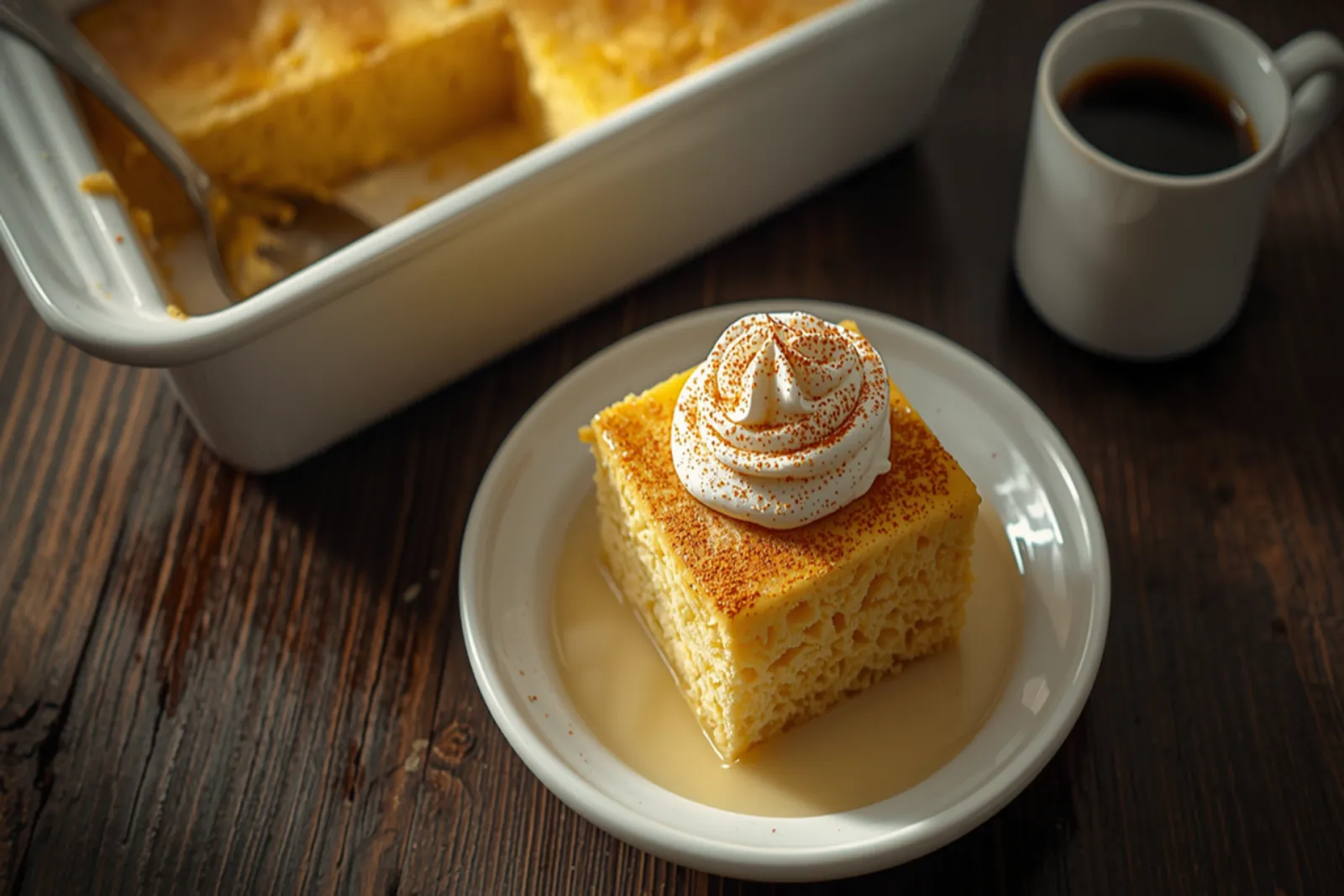
Cultural context
Tres leches is the dessert half of Latin America argues about. Nicaragua has the strongest claim and treats it as a national sweet — food historians point to Managua's private clubs and wealthy households of the late 19th and early 20th centuries, where it circulated under the coy name delicias suecas, 'Swedish delights.' Mexico counters with a genuine lineage of milk-soaked cakes that predate it: the torta de leche of Tabasco, and the wine-and-custard-soaked sopa borracha and ante of Oaxaca and Sinaloa. What is not in dispute is the hinge: canned sweetened condensed and evaporated milk, mass-produced by Nestlé and Borden from the mid-1800s, gave hot countries without refrigeration a shelf-stable dairy that could be poured over cake. The recipe as written today shows up in cookbooks only around the 1960s and 70s, by which time it belonged to Nicaragua, Mexico, Cuba, Puerto Rico, Colombia and Venezuela more or less at once.
Tres leches cake is a cake designed around a liquid. Everything about it — the fatless sponge, the whipped egg whites, the deliberate under-enrichment of a batter with no butter in it anywhere — exists to build a crumb that can absorb roughly a litre of milk and still be cut into squares. Bake it and taste it plain and you will wonder what the fuss is about. That is the correct reaction. It is scaffolding, and it is not finished until the milk goes on and it sits in the fridge overnight.
The cake that came out of a can
For most of history you could not have made this dessert in Managua or Mérida, because fresh milk in a hot climate without refrigeration was a matter of hours, not days. What changed was industrial dairy: Borden patented sweetened condensed milk in 1856, Nestlé followed with evaporated milk, and by the late 19th century tins of shelf-stable, faintly caramelised, intensely concentrated dairy were reaching Latin American kitchens — often with recipes printed on the label, which is not a small part of how the cake spread.
Nicaragua has the strongest claim to the result. It was being served in Managua’s private clubs and moneyed households by the early 20th century under the euphemism delicias suecas, “Swedish delights,” and it is the country’s de facto national dessert. Mexico’s counter-claim is not idle either: the state of Tabasco has a torta de leche soaked in scalded milk, and Oaxaca and Sinaloa have sopa borracha and ante, cakes drowned in wine, syrup or custard, all of which predate condensed milk entirely. The technique is old and widely shared; this particular assembly of it is roughly a century old and appears in printed cookbooks only from the 1960s and 70s, by which point Cuba, Puerto Rico, Colombia and Venezuela were all making their own.
Why there is no butter in the sponge
This is the part that trips up experienced bakers, because every instinct says a plain fatless cake is a worse cake. Here it is a functional requirement. Fat coats starch and protein and waterproofs the crumb; a buttery cake sheds the soak and leaves it sitting in a pool at the bottom of the tin. A lean sponge, aerated by beaten egg whites rather than creamed butter, has an open, dry, absorbent structure — thousands of small air pockets waiting to be filled.
The corollary is that you should bake it properly through. The temptation to pull a cake at the first clean-ish skewer, in the name of moistness, works against you here. You want it fully set and slightly dry.
Stiff peaks, soft curl
The whites carry the lift, so whip them to peaks that hold but still curl over at the tip. Past that point the foam goes matte and grainy, breaks apart in the fold, and the cake bakes squat. Slacken the yolk batter with a third of the whites first, sacrificing that portion deliberately, then fold the rest in gently. Streaks are a smaller sin than deflation.
Pierce, then pour in stages
The baked surface is the least permeable part of the cake, so it has to be perforated — forty or fifty holes, right through to the base, including the corners that everyone forgets. Then pour in thirds, five minutes apart. Milk poured all at once does not soak downward; it runs sideways to the lowest corner and sits there, which is how you end up with a dry top and a swamp at one end.
The overnight is not optional
The liquid keeps migrating through the crumb for hours after you stop pouring. Six hours is a minimum, overnight is right, and two days is better still — this is one of the rare celebration cakes that improves with time in the fridge rather than degrading. Finish it with cream and cinnamon close to serving, cut it cold, and expect a little milk in the bottom of the tin. That pool is not a mistake. It is the dish telling you it worked.
For more from the same corner of the world, there’s the hand-chopped beef of empanadas salteñas and the clay-pot café de olla that belongs beside a slice of this — and the world classics guide has more dishes worth crossing a border for.
Ingredients
For the sponge
- 5, at room temperature large eggs, separated Room-temperature whites whip to far greater volume than cold ones. Separate them while cold — the yolk holds together better — then let both bowls sit out for 30 minutes.
- 200 g (1 cup), divided caster or granulated sugar 150 g goes into the yolks, 50 g into the whites.
- 160 g (1 1/4 cups) plain (all-purpose) flour
- 1 1/2 tsp baking powder
- 1/4 tsp fine sea salt
- 80 ml (1/3 cup) whole milk
- 2 tsp vanilla extract
- a little, for the tin butter or neutral oil Grease the tin and line only the base. The cake is soaked and served from the tin, so it never has to be turned out.
For the three milks
- 1 x 397 g can sweetened condensed milk This is the sugar and the body of the soak — do not substitute evaporated milk for it, they are not interchangeable.
- 1 x 354 ml (12 fl oz) can evaporated milk Unsweetened, concentrated to about half its water. It carries the faintly cooked, caramelised dairy note that makes the soak taste of more than milk.
- 240 ml (1 cup) whole milk Nicaraguan cooks often use all whole milk; many Mexican bakeries swap half of it for double (heavy) cream for a richer, denser soak. Either is authentic to someone.
- 2 tbsp (optional) dark rum A common Nicaraguan addition, and Flor de Caña is the local bottle. Leave it out for a child-friendly cake — the soak loses nothing essential.
For the topping
- 360 ml (1 1/2 cups), well chilled double (heavy) cream
- 2 tbsp icing (powdered) sugar Cornflour in icing sugar helps the cream hold overnight without weeping.
- 1/2 tsp vanilla extract
- for dusting ground cinnamon Ceylon cinnamon (canela) if you have it — softer and more floral than cassia, and the one used across Latin America.
Method
Tap a step’s number to check it off as you go.
-
Heat the oven to 175°C / 350°F. Grease a 23 x 33 cm (9 x 13 in) baking tin and line the base with parchment. Sift the flour, baking powder and salt together and set aside.
Why: Line the base only, and do not use a springform or a loose-bottomed tin. Roughly a litre of liquid goes into this cake and any seam will leak it onto your fridge shelf.
-
Beat the egg yolks with 150 g of the sugar on high speed for 4 to 5 minutes, until pale, thick and falling from the whisk in a ribbon that sits on the surface for a moment.
Why: There is no butter in this cake, so this is where the structure and the richness come from. Beating dissolves the sugar into the yolks and works air into the fat, which is what a creamed butter batter would normally do.
-
Beat in the milk and vanilla, then sift the dry ingredients over the top in two additions and fold them in gently with a spatula, stopping the moment no dry flour remains.
Why: Over-mixing develops gluten, and in a tres leches sponge that is a double failure: the crumb turns tough and, worse, it closes up, so the milk has nowhere to go and simply sits on top.
-
In a clean, dry bowl, whip the egg whites to soft peaks, then rain in the remaining 50 g sugar with the mixer running and beat to stiff, glossy peaks that hold their shape but still have a soft curl at the tip.
Why: Stiff but not dry is the target. Whites beaten past that point break into a grainy, curd-like foam that collapses as soon as you fold it, and takes your lift with it.
-
Fold a third of the whites into the yolk batter to slacken it, then fold in the rest in two more additions, cutting down and lifting over until just combined. A few pale streaks are better than a deflated batter.
Why: The first third is a sacrifice — you knock the air out of it deliberately so the batter loosens enough to accept the remaining whites without needing more stirring.
-
Pour into the tin, level the top and bake for 25 to 30 minutes, until the top is golden and springy and a skewer comes out clean.
Why: Bake it through, and do not be tempted to pull it early for a fudgier crumb. This is the one cake where a lean, slightly dry, open-textured sponge is the whole point — it is a container, and it needs to be thirsty.
-
Cool the cake completely in its tin, at least an hour. Do not soak a warm cake.
Why: A warm sponge is still structurally soft and absorbs greedily and unevenly — the base turns to porridge while the top stays dry. Cooled crumb takes the liquid slowly and holds its shape.
-
Whisk the condensed milk, evaporated milk, whole milk and rum, if using, until completely smooth. Pierce the cooled cake all over with a skewer or a fork — 40 or 50 holes, right down to the base, including the corners and the edges.
Why: Piercing is not decoration. The baked top is the least permeable part of the cake, and the holes are the only route past it; corners and edges dry hardest and get missed most often.
-
Pour about a third of the milk over the cake, working slowly from the edges inward. Wait 5 minutes, pour another third, wait again, then add the rest. Some cakes take every drop; some leave a few tablespoons behind.
Why: Poured all at once, the liquid floods the surface and runs to the low corners rather than soaking downward, which is exactly how you get a dry top sitting in a puddle. Staggering it lets capillary action pull each round in before the next arrives.
-
Cover the tin and refrigerate for at least 6 hours, and preferably overnight.
Why: The milk keeps moving through the crumb for hours after the pouring stops. This rest is what turns a wet cake into an evenly saturated one, and it is the single step most home versions skip.
-
Whip the chilled cream with the icing sugar and vanilla to soft, spreadable peaks — stop while it still slumps slightly. Spread it over the cake in swoops, dust generously with cinnamon and chill for another 30 minutes before cutting.
Why: Stop short of stiff. Whipped cream continues to firm up as you spread it, and cream taken to stiff peaks on the whisk will turn grainy and buttery by the time it is on the cake.
-
Cut into 12 squares with a knife wiped clean between cuts, and serve straight from the fridge.
Why: Cold is not a garnish here. At room temperature the soak loosens and the slices slump; chilled, the crumb stays sliceable and the milk reads clean and dairy-sweet rather than cloying.
A quick, anonymous tap — no review needed.
Variations
- Nicaraguan merengue top
The most distinctively Nicaraguan finish is not whipped cream but a glossy meringue, often lightly torched. Make an Italian meringue — cook 150 g sugar with 60 ml water to 118°C, then pour it in a thread into 3 egg whites whipped to soft peaks and beat until cool and stiff. It holds far better than cream in a warm room, and the hot syrup cooks the whites, so there is no raw-egg question.
- Cuatro leches
A fourth milk, usually double cream whipped into the soak or cajeta (goat's-milk caramel) drizzled over the finished cream. The cajeta version is a Mexican signature and pushes the whole thing toward butterscotch.
- Tres leches de coco
Swap the whole milk for full-fat coconut milk and add 1/2 tsp coconut extract, then finish with toasted coconut flakes. Standard across the Caribbean coast and Puerto Rico, and the closest thing to a dairy-light version that still tastes like itself.
- Tres leches de café
Dissolve 2 tbsp instant espresso in the whole-milk portion of the soak. The bitterness cuts the condensed milk's sweetness sharply and is worth trying if you find the classic too sweet.
- Strawberries and cinnamon
The bakery-counter finish across northern Mexico and the US Southwest: whipped cream, a heavy dusting of canela and sliced macerated strawberries, sometimes a maraschino cherry per square.
Serving & Storage
Serve it cold, in squares, straight from the tin it was soaked in — this is a party cake and nobody in Managua or Mexico City is turning it out onto a stand. A pot of strong black coffee is the standard partner, and the bitterness is doing real work against all that condensed milk. Fresh berries or sliced mango on the side keep each plate from being unbroken sweetness.
Pairs with: Café de olla, Strong black coffee or espresso, Fresh strawberries or mango, Aged rum, neat, Horchata.
Storage: Keeps 4 days covered in the refrigerator, and genuinely improves on day two once the soak has fully evened out. Add the whipped cream no more than a day ahead, or it weeps into the surface. Do not freeze the finished cake — the soaked crumb turns watery and grainy on thawing — though the unsoaked sponge freezes well, wrapped, for a month.
Nutrition
Per serving (1 slice (1/12 of the cake))
- Calories
- 415
- Protein
- 9 g
- Carbs
- 52 g
- Fat
- 18 g
- Fiber
- 0 g
- Sugar
- 42 g
- Sodium
- 190 mg
Notable micronutrients: Calcium, Riboflavin, Vitamin B12, Phosphorus, Vitamin A
Estimated using standard ingredient data. Values vary with brands and substitutions.
Frequently Asked Questions
So is tres leches Nicaraguan or Mexican?
Both countries have real claims and neither can be dismissed. Nicaragua has the better documented case for the cake in its modern form — it was circulating in Managua's clubs and wealthy homes by the early 20th century, and it functions as a national dessert there. Mexico has the deeper prehistory: Tabasco's torta de leche and Oaxaca's liquid-soaked sopa borracha and ante establish the technique of drowning cake in dairy long before condensed milk existed. Cuba, Puerto Rico, Colombia and Venezuela all bake their own versions and have done for generations. The honest answer is that it is a Latin American cake with a Nicaraguan centre of gravity.
Why did my cake come out soggy instead of moist?
Usually one of three things. The sponge had butter or oil in it, so fat blocked the milk from entering the crumb and it pooled underneath instead. The cake was still warm when the milk went on, which collapses the structure. Or the whole quantity of soak was poured on at once and ran straight to the corners. A proper tres leches is wet through — you should see milk in the tin when you cut it — but each square should still hold its shape on the fork.
Can I use a boxed cake mix or a butter cake?
You can, and plenty of home bakers do, but the result is a different dessert. Boxed mixes and butter cakes are formulated to be tender and rich on their own, which means a closed, fat-coated crumb that resists the soak. The fatless whipped-egg sponge here is deliberately lean and open — it tastes fairly plain out of the oven, which is exactly the point.
Do I have to use canned milks?
For a recipe that means anything historically, yes. Condensed and evaporated milk are not stand-ins for fresh dairy in this cake — they are the reason it exists. Their concentration and shelf stability let hot, pre-refrigeration Latin America pour dairy over cake at all, and the caramelised note from the canning is a flavour you cannot reproduce with fresh milk and sugar.
Can I make it without a stand mixer?
Yes. An electric hand mixer handles both the yolks and the whites comfortably. Doing it entirely by hand with a balloon whisk is possible but genuinely tiring — figure eight to ten minutes of hard work on the whites alone. Whip the whites first if you only have one bowl, since leftover yolk fat will stop whites from whipping but leftover white will not hurt the yolks.
How far ahead can I make it?
It is a better cake made the day before. Bake and soak it up to two days ahead and keep it covered in the fridge, then whip the cream and finish it a few hours before serving. This is one of the few celebration cakes where making it early is an improvement rather than a compromise.
What to drink with this
All drinks →Hand-picked pours to match this dish.
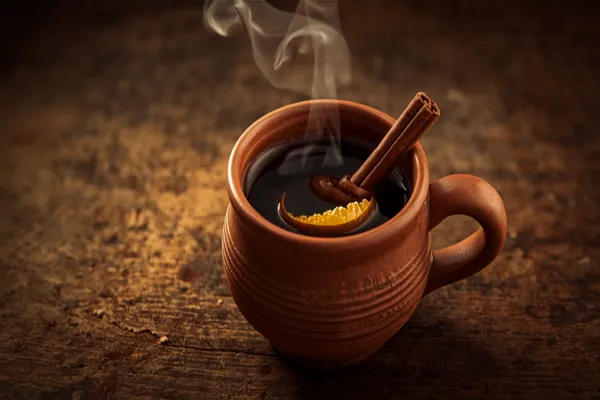
Central & Southern Mexico · Mexican
Café de Olla (Mexican Spiced Clay-Pot Coffee)
Coffee simmered with cinnamon, cloves and unrefined piloncillo sugar in a clay pot — Mexico's warming, spiced morning brew. Sweet, aromatic and unmistakably festive, made in one pot in fifteen minutes.
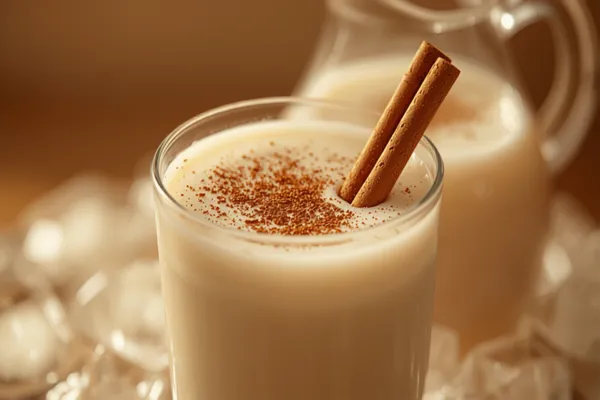
Mexico (agua fresca tradition) · Mexican
Horchata (Mexican Rice & Cinnamon Cooler)
The creamy, cinnamon-scented rice drink of Mexico: soaked rice blended with cinnamon, sweetened and chilled. No cooking, no dairy needed — just soaking, blending and straining.
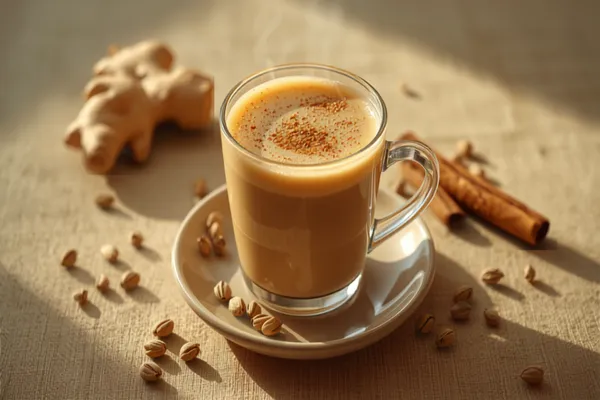
Pan-Indian (the everyday tea of the subcontinent) · Indian
Masala Chai (Spiced Indian Tea)
India's daily ritual in a cup: black tea brewed with milk, sugar and freshly crushed spices. The proper stovetop method, plus how to build your own masala.
From our kitchen community
Ratings & Reviews
My Rating
Tap a star to rate — no sign-in, no form needed.
My Review
0 Ratings
🥣 0 home cooks made it!
Be the first to rate Tres Leches Cake (Pastel de Tres Leches).
Related Recipes

The Andean valleys and Caribbean coast shared by Venezuela and Colombia — Timoto-Cuica, Cumanagoto and Muisca corn country · Venezuelan & Colombian
Arepas — Griddled Corn Cakes from Venezuela and Colombia
Three ingredients, four hundred years older than either country that argues over them: masarepa, warm water and salt, griddled to a crust and baked through until they sound hollow. The trick is that masarepa is pre-cooked corn flour and nothing else will do.
Minas Gerais, south-eastern Brazil (the Serra da Canastra dairy country) · Brazilian
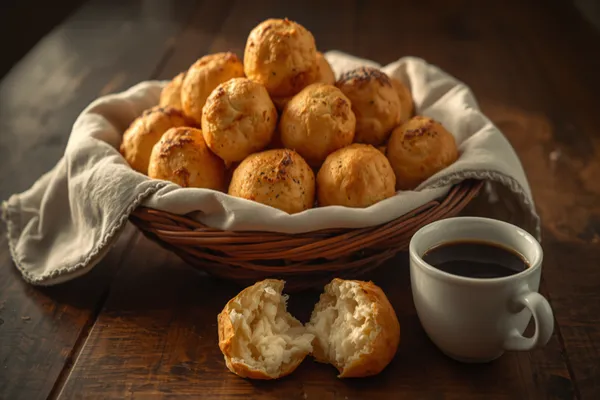
Pão de Queijo (Brazilian Cheese Bread from Minas Gerais)
Brazil's great small bread: hollow, chewy cassava-starch puffs with a crackling shell and a stretchy, salty cheese-scented middle. Naturally gluten-free, and the batter keeps in the freezer for a hot tray any morning of the week.
Central & Southern Mexico · Mexican
Café de Olla (Mexican Spiced Clay-Pot Coffee)
Coffee simmered with cinnamon, cloves and unrefined piloncillo sugar in a clay pot — Mexico's warming, spiced morning brew. Sweet, aromatic and unmistakably festive, made in one pot in fifteen minutes.
Mexico City · Mexican
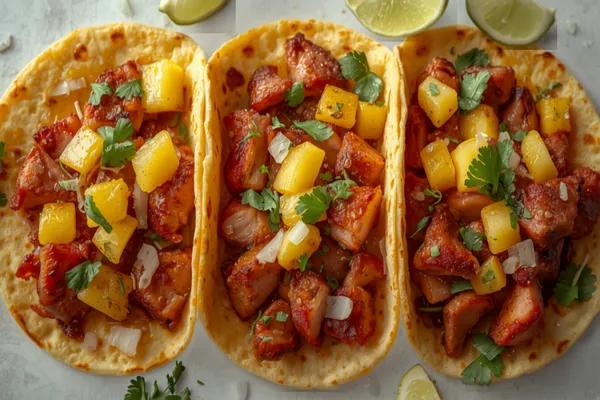
Tacos al Pastor (Marinated Pork Tacos with Pineapple)
Mexico City's iconic taco: pork marinated in dried chilies, achiote, and pineapple, roasted until the edges crisp, then piled into warm corn tortillas with onion, coriander, and a hit of salsa. A spit-roast classic reworked for the home oven.
Salta, in the Andean north-west of Argentina — the high valleys around the capital and the Calchaquí wine country · Argentine
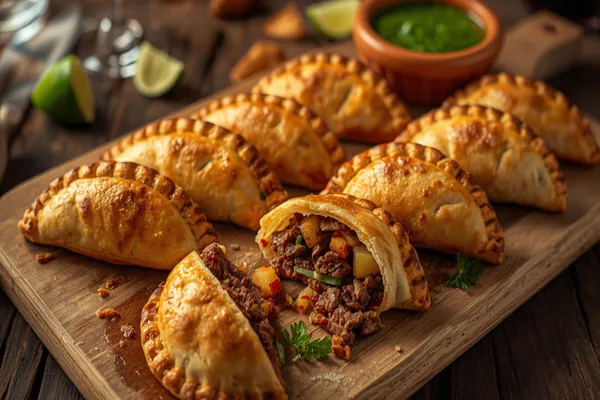
Empanadas Salteñas (Salta-Style Argentine Beef Empanadas)
The empanada Argentina argues about and Salta gets right — hand-chopped beef, soft potato and spring onion bound in cumin-red beef fat, sealed in a thin tallow pastry that bakes juicy enough to eat leaning forward.
Mexico (agua fresca tradition) · Mexican
Horchata (Mexican Rice & Cinnamon Cooler)
The creamy, cinnamon-scented rice drink of Mexico: soaked rice blended with cinnamon, sweetened and chilled. No cooking, no dairy needed — just soaking, blending and straining.
Belém, Lisbon — the Jerónimos Monastery quarter on the Tagus, within Portugal's wider convent-sweet tradition · Portuguese
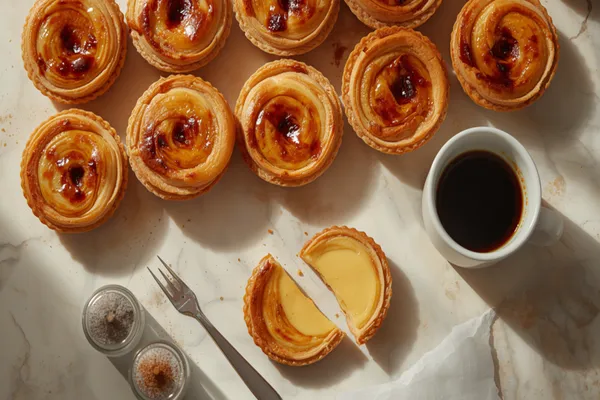
Pastéis de Nata (Portuguese Custard Tarts)
Lisbon's blistered custard tart — a spiral-rolled puff shell that shatters like glass, a flour-set egg-yolk custard scented with lemon peel and cinnamon rather than vanilla, and an oven turned as hot as it will go so the top scorches into dark, bitter-sweet freckles.

Rio de Janeiro and Minas Gerais — the black-bean south-east of Brazil, where the *feijoada completa* table took its modern form · Brazilian
Feijoada Completa — Rio's Saturday Pot of Black Beans and Pork
Brazil's national dish is a long, patient pot of black beans and salted, smoked and fresh pork, eaten at lunchtime on a Saturday with rice, garlicky collards, farofa and sliced orange. Here is how the whole table comes together, and why each part of it is there.
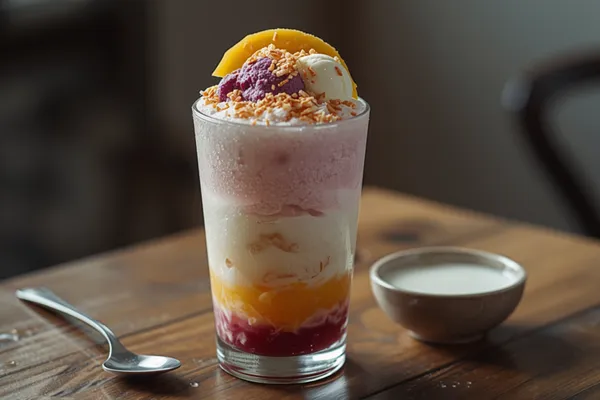
The Philippines — Manila and Luzon's dessert houses, with roots in the shaved-ice-and-beans stalls of early twentieth-century Manila · Filipino
Halo-Halo (Filipino Shaved Ice with Sweet Beans, Fruit, Leche Flan and Ube)
The Philippines' most beloved dessert: a tall glass of snow-fine shaved ice layered with sweetened beans, saba banana, jackfruit and coconut, drenched in evaporated milk and crowned with leche flan, ube halaya and ice cream. You are meant to mix it all together.
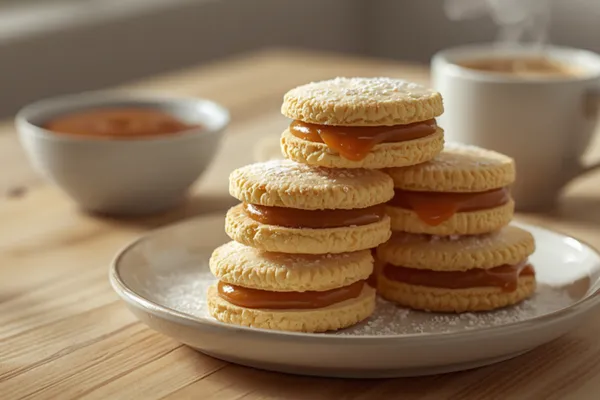
The Río de la Plata — Buenos Aires and the Argentine pampas, shared with Uruguay (and, in variant forms, Peru and Chile) · Argentine & Uruguayan
Alfajores de Maicena (Argentine Dulce de Leche Cornstarch Sandwich Cookies)
Two impossibly tender, cornstarch-rich shortbread rounds sandwiched with thick dulce de leche and rolled in coconut — the crumbly, melt-on-the-tongue cookie of Argentina, Uruguay and the wider Río de la Plata.