Japan (nationwide street and home food; a fixture of matsuri festival stalls everywhere) · Japanese
Yakisoba (Japanese Stir-Fried Noodles)
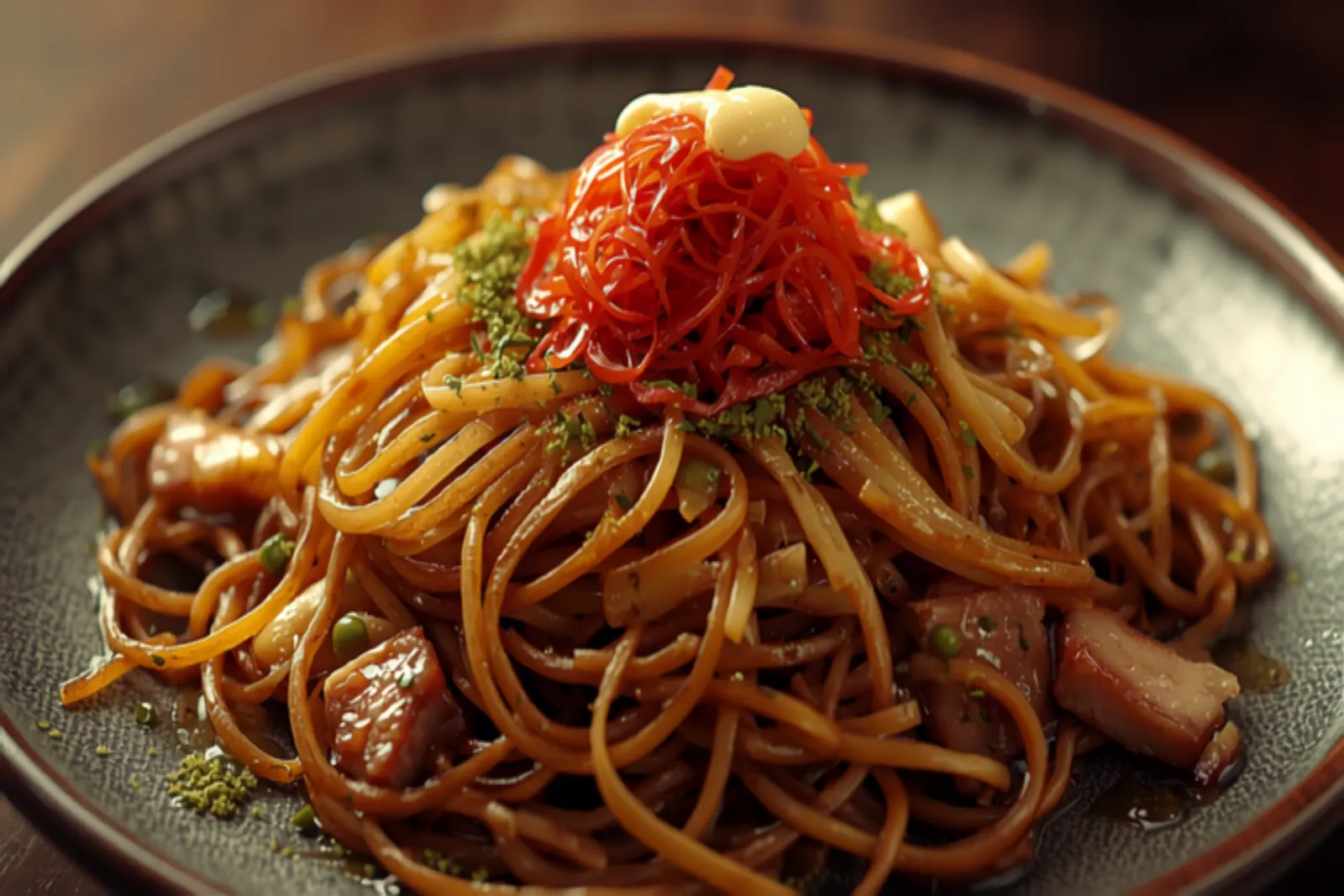
Griddled wheat noodles tossed with cabbage, pork, and a sweet-savoury yakisoba sauce, then finished with aonori, pickled ginger, and a squiggle of mayo. The smoky, saucy festival-stall classic you can make in fifteen minutes on a home stovetop.
Published August 3, 2026
Cultural context
Despite the 'soba' in its name, yakisoba uses no buckwheat — the noodles are the same wheat-and-lye Chinese-style noodles as ramen, and the dish descends from Chinese chow mein, naturalized into Japanese comfort food after the war. It's inseparable from the summer matsuri (festival), where you buy it in a paper tray from a smoking teppan griddle, and from the home teppan-yaki table. Casual, cheap, and joyfully saucy.
If zaru soba is the quiet, contemplative face of Japanese noodles, yakisoba is its loud, joyful opposite — the smell that hangs over every summer matsuri, wafting off a black teppan griddle where a vendor pushes a great heap of saucy noodles around with two spatulas and scoops it into paper trays. It is cheap, fast, unapologetically savoury-sweet, and completely beloved. You eat it standing up, in a crowd, probably in a yukata, probably slightly sunburned. It also happens to be one of the easiest good dinners you can make at home.
First, the name confesses a small lie: there is no soba — no buckwheat — in yakisoba. The noodles are wheat-and-lye chukamen, first cousins to ramen, and the dish itself descends from Chinese chow mein, adopted and sweetened into Japanese comfort food in the lean years after the war. Yakisoba just means “fried noodles,” and frying is exactly the skill worth getting right.
The sauce is the soul, and you can build it from your pantry
Bottled yakisoba sauce (Otafuku is the famous brand) exists for a reason, but the flavour is easy to approximate: Worcestershire for its funky, spiced tang, oyster sauce for body, ketchup for tomato brightness and gloss, soy for salt, sugar for the round sweetness that makes it so moreish. Whisk it together first and add it all at the very end. Dribbling sauce in as you go just scorches it in patches; one confident pour and a hard toss gives you noodles that are glazed, not drowned.
Chase the char
The thing that separates real yakisoba from generic saucy noodles is the faint smoky edge that comes off the griddle — what the Japanese call the teppan taste. You can fake it at home with high heat and a little patience: once the loosened noodles hit the pan, let them sit and catch against the hot metal for a few seconds before you toss, then let them catch again. That brief contact browns the starch and gives the dish its stall-side soul. Constant nervous stirring, by contrast, just steams everything into a limp tangle.
The toppings are not decoration
Don’t skip the finish. The tumble of beni shoga — shocking-red pickled ginger — cuts the richness with sour brightness. Aonori seaweed flakes add a whiff of the sea. And the squiggle of Kewpie mayonnaise, tangier and eggier than Western mayo, brings the creamy note that makes festival yakisoba taste like festival yakisoba. A pinch of katsuobushi on top will even wave at you in the rising heat, which never stops being a small delight.
Hungry for more? Browse the full recipe collection, or read more cultural stories behind the food.
Ingredients
For the yakisoba sauce
- 3 tbsp Worcestershire sauce The backbone. Japanese chuno or tonkatsu sauce is closer to authentic if you have it; British-style Worcestershire is the common substitute.
- 1 tbsp oyster sauce For body and savoury depth.
- 1 tbsp ketchup Adds the tomato tang and gloss the sauce is known for.
- 1 tbsp soy sauce
- 1 tbsp sugar The sweet-savoury balance is the signature; adjust to taste.
For the noodles
- 2 portions (about 300–360 g) fresh yakisoba or steamed chow mein noodles Sold in vacuum packs, often with a seasoning sachet you can discard. Loosen them under a splash of warm water before cooking.
For the stir-fry
- 150 g thinly sliced pork belly Cut into bite-size pieces. Sliced pork shoulder, bacon, chicken, or shrimp all work.
- 2 cups green cabbage Cut into rough 1-inch squares — the essential vegetable, sweet and cheap.
- 1/2 carrot Cut into thin matchsticks or half-moons.
- 1/2 onion Sliced.
- 1 tbsp neutral oil
To finish
- aonori (dried green seaweed flakes)
- beni shoga (red pickled ginger)
- Japanese (Kewpie) mayonnaise and katsuobushi (bonito flakes), optional
Method
Tap a step’s number to check it off as you go.
-
Whisk the Worcestershire, oyster sauce, ketchup, soy sauce, and sugar together in a small bowl.
Why: Premixing the sauce lets you add it all at once at the end, so it coats the noodles evenly instead of scorching in patches on the hot pan.
-
Loosen the noodles: rinse the blocks under a little warm water or microwave them 30 seconds, then gently pull the strands apart.
Why: Packaged yakisoba noodles are pre-steamed and stick together; separating them first stops them from clumping and tearing when they hit the pan.
-
Heat the oil in a large skillet or wok over high heat. Add the pork and stir-fry until it loses its pink and the fat renders, about 2 minutes.
Why: Rendered pork fat becomes the cooking oil for everything else and lays down the first layer of savoury flavour.
-
Add the onion, carrot, and cabbage and stir-fry 2–3 minutes, until the cabbage is wilted but still has some crunch.
Why: High heat and constant motion give the vegetables a little char and keep them crisp-tender rather than steamed and limp.
-
Push the vegetables aside, add the loosened noodles, and let them sit against the hot pan for 30 seconds before tossing, repeating once or twice.
Why: Letting the noodles catch on the metal builds the faint smoky char (the teppan taste) that separates real yakisoba from plain saucy noodles.
-
Pour the sauce over everything and toss constantly for about a minute until it clings and glazes and the excess has cooked off.
Why: Tossing over heat reduces the sauce onto the noodles so they're coated and glossy, not swimming — and the sugar caramelizes slightly for depth.
-
Plate and finish with a shower of aonori, a heap of red pickled ginger, and, if you like, a zigzag of Kewpie mayo and a pinch of bonito flakes.
Why: The toppings aren't garnish for looks — the salty-sour ginger cuts the richness, aonori adds sea aroma, and mayo brings the tangy creaminess that defines festival-stall yakisoba.
A quick, anonymous tap — no review needed.
Variations
- Vegetable / vegetarian
Skip the pork and load up on cabbage, bell pepper, mushrooms, and bean sprouts; use a mushroom-based Worcestershire-style sauce and swap oyster sauce for a vegetarian one.
- Seafood yakisoba
Use shrimp and squid instead of pork, and add them near the end so they stay tender. A splash of sake in the pan lifts the seafood.
- Yakisoba-pan
The gleefully carb-on-carb Japanese snack: stuff hot yakisoba into a split hot-dog bun with a stripe of mayo. Beloved of school bento and convenience stores.
Serving & Storage
Eat straight off the griddle or pan while it still has snap. A cold beer or barley tea and a bowl of miso soup make it a meal; at a festival it's happily eaten standing up from a paper tray.
Pairs with: Miso soup, Chicken karaage, Cold barley tea (mugicha).
Storage: Best eaten immediately while the noodles have texture. Leftovers keep 2 days in the fridge and reheat well in a hot pan with a splash of water; the noodles soften but the flavour holds.
Nutrition
Per serving (1 plate)
- Calories
- 640
- Protein
- 22 g
- Carbs
- 72 g
- Fat
- 30 g
- Fiber
- 5 g
- Sugar
- 14 g
- Sodium
- 1550 mg
Notable micronutrients: Vitamin K, Vitamin C, Vitamin B1
Estimated using standard ingredient data. Values vary with brands and substitutions.
Frequently Asked Questions
Why is it called 'soba' if there's no buckwheat?
Blame history. The noodles are wheat-based Chinese-style (chukamen) noodles, the same family as ramen, and 'yakisoba' just means 'fried noodles' colloquially. The dish evolved from Chinese chow mein, not from true soba.
I can't find yakisoba noodles — what can I use?
Any fresh steamed chow mein or ramen-style wheat noodle works. In a pinch, boil dried ramen or even spaghetti until just done, drain well, and toss with a little oil before frying so it behaves like the pre-steamed packs.
Can I make the yakisoba sauce ahead?
Yes — it's just pantry sauces whisked together and keeps for weeks in the fridge. Bottled yakisoba sauce (Otafuku is the standard) is also excellent if you'd rather buy it.
What to drink with this
All drinks →Hand-picked pours to match this dish. Alcoholic pairings are for adults of legal drinking age (21+ in the US) — please drink responsibly.
Japan (the chado tea tradition of Kyoto and Uji, home of Japan's finest matcha) · Japanese
Matcha (Whisked Usucha, Thin Tea)
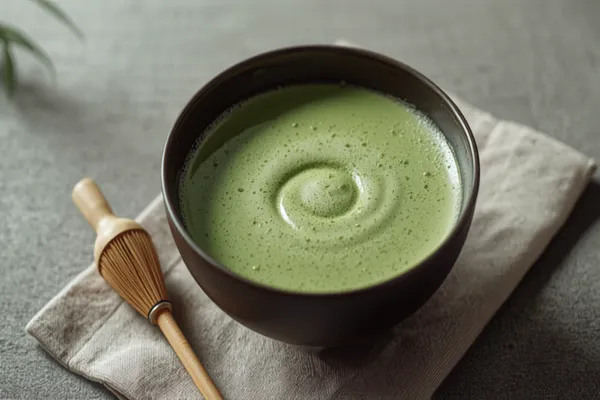
How to whisk a proper bowl of usucha — thin matcha — with a bamboo chasen: bright, jade-green, frothed to a fine foam, and faintly sweet-bitter. The everyday face of Japan's centuries-old tea tradition, ready in two minutes on a home counter.
Japan (matcha tradition, Uji & Nishio) · Japanese
Matcha Latte (Whisked Japanese Green Tea Latte)
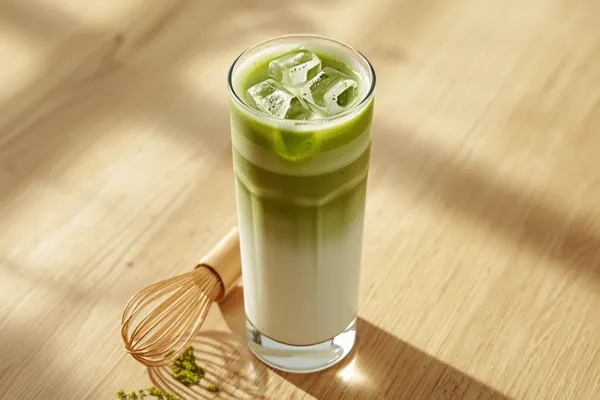
Stone-ground Japanese matcha whisked smooth and poured over steamed milk — grassy, sweet and gently caffeinated, with no bitterness when you make it right. A café favourite that's better and cheaper at home.
 21+
21+ American bars (via Japanese Midori) · Japanese-American
Midori Sour (Melon Liqueur, Lemon & Lime)
The bright-green retro sour: sweet Midori melon liqueur balanced with fresh lemon and lime, lengthened with a splash of soda. A vivid, nostalgic crowd-pleaser — sweet-tart, low-proof and unmistakably '80s.
From our kitchen community
Ratings & Reviews
My Rating
Tap a star to rate — no sign-in, no form needed.
My Review
0 Ratings
🥣 0 home cooks made it!
Be the first to rate Yakisoba (Japanese Stir-Fried Noodles).
Related Recipes
Japan (nationwide; the soba craft is most storied in Nagano/Shinshu and old Edo/Tokyo) · Japanese
Zaru Soba (Chilled Buckwheat Noodles with Dipping Sauce)
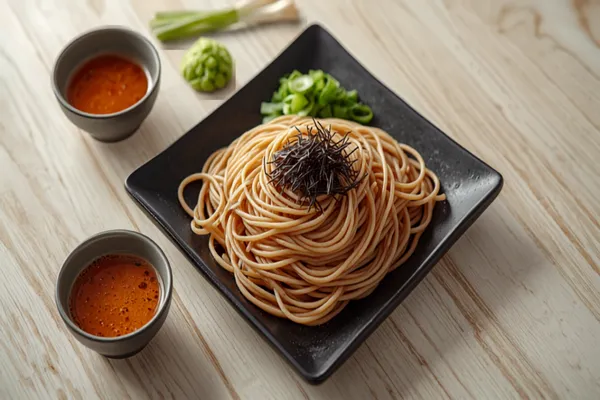
Cold buckwheat soba fanned over a bamboo zaru, dipped bite by bite into a chilled dashi-soy tsuyu sharpened with scallion and wasabi. The purest, most refreshing noodle dish in the Japanese summer, and a quiet showcase for good dashi.
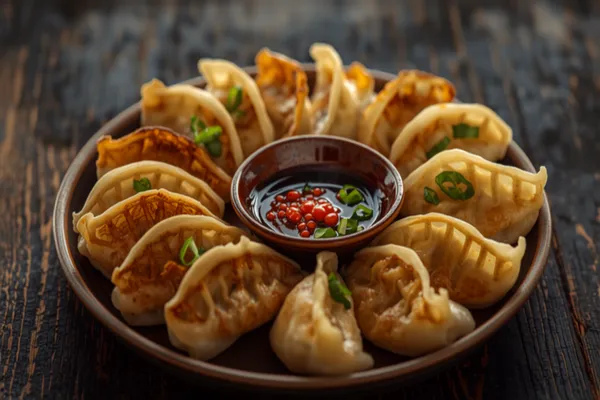
Japan (nationwide; strongly associated with Utsunomiya and Hamamatsu, Japan's dueling gyoza capitals) · Japanese
Gyoza (Japanese Pan-Fried Pork Dumplings)
Yaki-gyoza done properly: juicy pork-and-cabbage dumplings steam-fried into one skillet so they gather a lacy, crackling brown 'wing' underneath. With a bright soy-vinegar dipping sauce and a whole section on pleating.
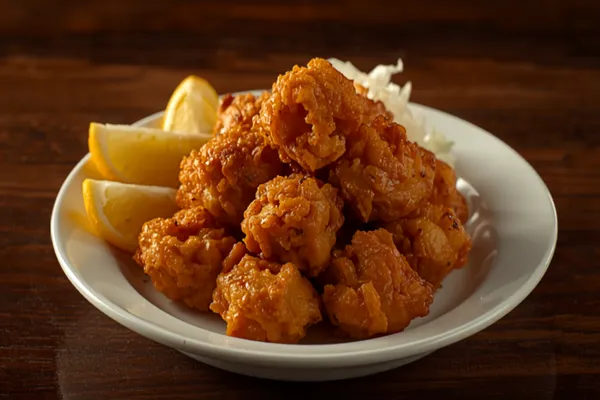
Japan (nationwide izakaya and home cooking; Oita's Nakatsu is its spiritual capital) · Japanese
Chicken Karaage (Japanese Fried Chicken)
Japan's beloved fried chicken: juicy thigh meat steeped in a ginger-garlic-soy marinade, dredged in potato starch, and double-fried to a shatteringly crisp, lacy crust. The izakaya snack and bento hero you'll make on repeat.