Japan (nationwide; strongly associated with Utsunomiya and Hamamatsu, Japan's dueling gyoza capitals) · Japanese
Gyoza (Japanese Pan-Fried Pork Dumplings)
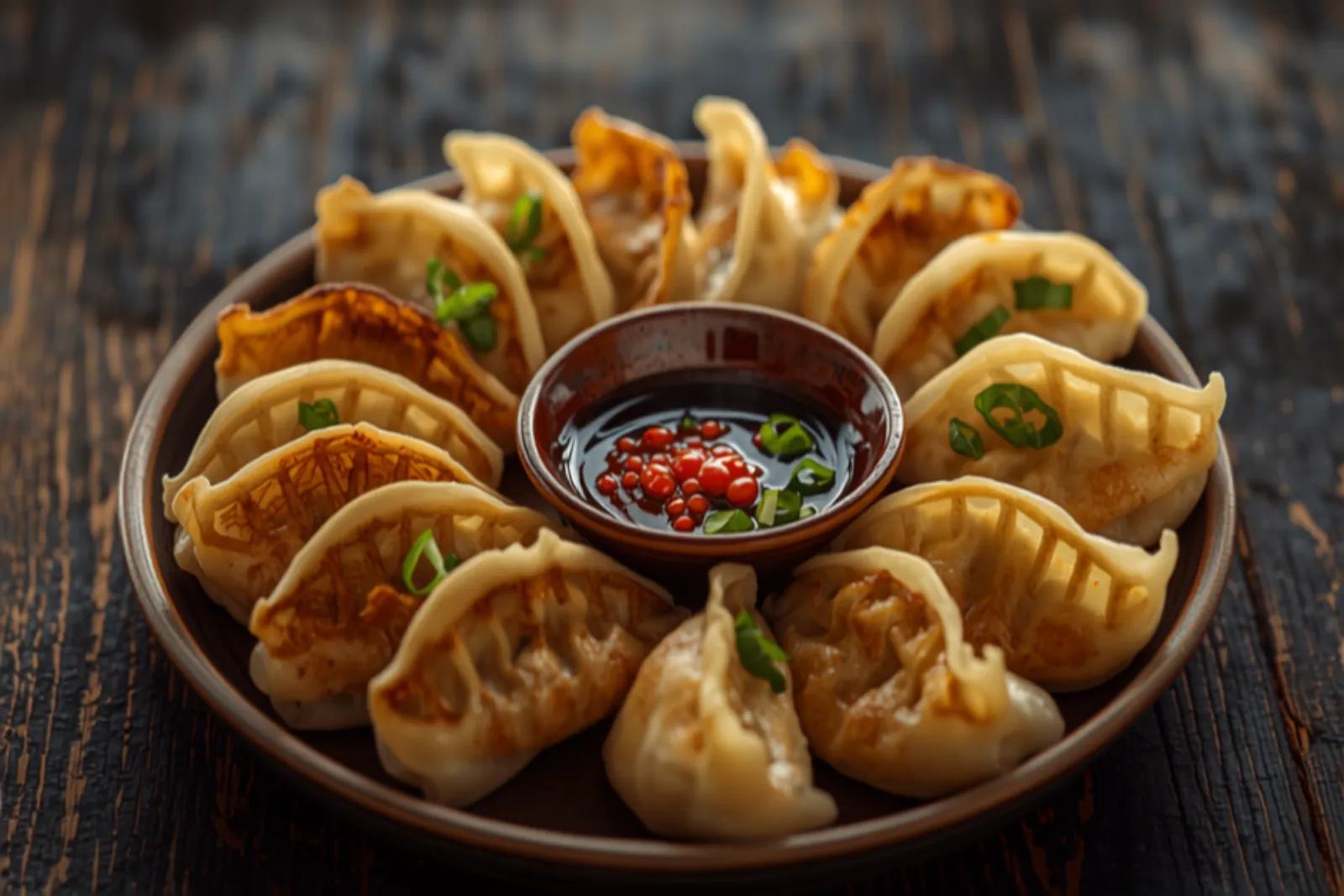
Yaki-gyoza done properly: juicy pork-and-cabbage dumplings steam-fried into one skillet so they gather a lacy, crackling brown 'wing' underneath. With a bright soy-vinegar dipping sauce and a whole section on pleating.
Published August 3, 2026
Cultural context
Gyoza came home with soldiers returning from northeastern China after the war and were quickly rebuilt in a Japanese idiom — thinner skins, more garlic, a hard sear. Today they are the default partner to a bowl of ramen, a beer-hall staple, and a weekend family project where everyone crowds the table to pleat.
There is a reason gyoza show up at nearly every ramen counter in Japan: they are the perfect sidekick — crisp, garlicky, juicy, and gone in two bites. But calling them a side sells them short. In Japanese homes, gyoza night is an event, the kind where the whole family stands around the kitchen table pleating dumplings while the first batch already sizzles in the pan and someone inevitably overfills theirs and has to start again.
The dish is a piece of living history. Gyoza are the Japanese descendants of Chinese jiaozi, brought back by soldiers and repatriates from Manchuria after the Second World War and quickly reworked to Japanese taste — thinner skins, a heavier hand with garlic, and above all a love of the hard sear. Two cities, Utsunomiya and Hamamatsu, still trade the crown for Japan’s gyoza capital, each insisting theirs are the definitive version. It is a friendly war worth eating your way through.
The filling, and the one-direction stir
Good gyoza start before the wrapper. The cabbage has to be salted, rested, and squeezed — really wrung out in a towel — because raw cabbage is mostly water and that water is the enemy of a crisp dumpling. Then comes the small trick that separates decent gyoza from great ones: stir the filling in a single direction until it turns sticky and paste-like. That one-way motion coaxes the meat proteins into a network that holds the filling together in a springy, juicy plug instead of a sad crumble. It takes a minute of arm work and it is entirely worth it.
Pleating is a skill, not a talent
Do not be intimidated by the frilly crescents. The Japanese method pleats only the front edge, folding little tucks and pressing each one back against the flat rear rim. Five or six pleats is plenty. The pleats aren’t decoration — they pull the dumpling into a curved shape that stands on a flat belly, which is exactly the base you want to sear. Your first few will look drunk. By the tenth you’ll have the rhythm, and by the thirtieth you’ll be smug about it.
The wing is the whole point
Yaki-gyoza are steam-fried: seared flat-side down for color, then flooded with water and covered so the tops steam through. The signature move — the thing that makes people gasp when you flip the pan out onto a plate — is the hane, the lacy crackling wing that connects the dumplings. Whisk a teaspoon of flour into the steaming water and, as it boils away, that starch fries into a thin golden sheet of crisp. The only way to ruin it is impatience: let every drop of water evaporate before you call it done, or the skirt stays gummy instead of shattering.
Serve them the instant they leave the pan, crisp-side up, with a dipping sauce that leans more vinegar than soy and a few drops of chili oil. Hungry for the rest of the meal? Browse the full recipe collection, or read more cultural stories behind the food.
Ingredients
For the filling
- 250 g ground pork Not too lean — aim for around 20% fat, or the filling turns dry and crumbly.
- 200 g (about 3 cups shredded) green cabbage Finely chopped. Napa (hakusai) works too and is more traditional in some homes.
- 1 tsp salt For drawing water out of the cabbage — most of it gets squeezed away.
- 2 garlic cloves, grated
- 1 tsp fresh ginger, grated
- 2 scallions, finely minced
- 1 tbsp soy sauce
- 1 tsp toasted sesame oil
- 1 tsp sake Optional; adds savoury depth and cooks off completely.
- 1/2 tsp sugar
For wrapping
- 30 round gyoza wrappers Thinner and smaller than Chinese potsticker skins; look for them frozen at any Japanese or Asian grocer. Keep under a damp towel so they don't dry out.
- small bowl of water For sealing the edges.
For pan-frying
- 1 tbsp neutral oil Per batch.
For pan-frying (the wing)
- 1 tsp flour Whisked into the water below — this is what creates the lacy crisp skirt. Optional but transformative.
- 1/3 cup water Per batch, for steaming.
For the dipping sauce
- 2 tbsp soy sauce
- 2 tbsp rice vinegar Traditionally the vinegar leans heavier than the soy — adjust to taste.
- a few drops la-yu (Japanese chili oil) Optional but classic.
Method
Tap a step’s number to check it off as you go.
-
Toss the chopped cabbage with the salt and let it sit 10–15 minutes, then squeeze it hard in a clean towel to wring out as much water as you can.
Why: Raw cabbage is mostly water. If you skip this step it weeps inside the dumpling and leaves you with a soggy, split filling.
-
Mix the pork, squeezed cabbage, garlic, ginger, scallion, soy, sesame oil, sake, and sugar. Stir in one direction for a minute until the filling turns slightly sticky and paste-like.
Why: Stirring one way develops the meat proteins so the filling binds into a springy, juicy plug rather than falling apart when you bite in.
-
Hold a wrapper in your palm, add a rounded teaspoon of filling to the center, and wet the top half of the rim with a finger dipped in water.
Why: Overfilling is the classic beginner mistake — a modest teaspoon lets you seal cleanly and cook evenly. Water is the only glue you need.
-
Fold the wrapper into a half-moon and pleat only the front (near) edge, pressing each pleat back against the flat rear edge to seal. Aim for 5–6 pleats; set each finished gyoza seam-up so it stands on a flat base.
Why: Pleating just one side pulls the dumpling into its signature crescent that sits upright — giving you a flat belly to sear and a ruffled crown to steam.
-
Heat 1 tbsp oil in a nonstick or well-seasoned skillet over medium-high. Arrange the gyoza flat-side down in a tight circle or rows and fry 2 minutes until the bottoms are golden.
Why: Searing first, before any water hits the pan, is what builds the crackling brown base that defines yaki-gyoza.
-
Whisk the flour into the 1/3 cup water, pour it around the gyoza, and immediately cover with a lid. Steam 5–6 minutes until the water is nearly gone.
Why: The flour-water slurry sets into the lacy 'wing' (hane) that connects the dumplings, while the trapped steam cooks the pork and softens the pleated tops.
-
Uncover, let the last of the water boil off, and cook 1–2 minutes more until the starchy skirt is crisp and lightly browned. Drizzle in a touch more sesame oil at the end if you like.
Why: The wing has to fully dry and crisp or it stays gummy. Listen for the sizzle to go from a wet bubble to a dry crackle.
-
Invert a plate over the pan and flip the whole skillet so the gyoza land crisp-side up, wing intact. Serve with the stirred dipping sauce.
Why: Flipping out in one piece keeps the delicate lacy skirt whole — the visual payoff of the whole exercise.
A quick, anonymous tap — no review needed.
Variations
- Vegetable (yasai gyoza)
Swap the pork for crumbled firm tofu plus finely chopped shiitake and extra cabbage; add a little more sesame oil and soy for richness. Squeeze everything well, since mushrooms are watery too.
- Chicken and shiso
Use ground chicken thigh in place of pork and fold a few finely shredded shiso leaves into the filling for a bright, herbal, distinctly summery gyoza.
- Sui-gyoza (boiled)
Skip the pan entirely and boil the dumplings for 4–5 minutes, then serve in a little of the cooking broth or with the dipping sauce. Softer, slippery, and comforting in winter.
Serving & Storage
Serve the moment they come out of the pan, crisp-side up, with the sauce for dipping and cold beer or barley tea alongside. A bowl of gyoza next to a bowl of ramen is the classic Japanese pairing — nobody thinks it's too much starch.
Pairs with: Tokyo shoyu ramen, Steamed rice, Cold beer or mugicha, Quick cucumber sunomono.
Storage: Freeze uncooked gyoza in a single layer on a tray, then bag them once solid — they keep 2 months and cook straight from frozen (add a couple of minutes of steaming). Cooked gyoza are best fresh; reheat leftovers in a dry skillet to re-crisp the base rather than microwaving, which turns them flabby.
Nutrition
Per serving (6 gyoza with sauce)
- Calories
- 340
- Protein
- 15 g
- Carbs
- 32 g
- Fat
- 16 g
- Fiber
- 2 g
- Sugar
- 3 g
- Sodium
- 820 mg
Notable micronutrients: Vitamin C, Vitamin K, Selenium
Estimated using standard ingredient data. Values vary with brands and substitutions.
Frequently Asked Questions
What's the difference between Japanese gyoza and Chinese jiaozi?
Gyoza are the Japanese adaptation of Chinese jiaozi: the skins are noticeably thinner, the filling is more finely chopped and leans harder on garlic, and the default cooking method is the hard-seared yaki-gyoza. Jiaozi are more often boiled and have a chewier, thicker wrapper.
How do I get the lacy crispy 'wing' underneath?
Whisk a teaspoon of flour (or cornstarch) into the steaming water before you pour it in. As the water boils off, the starch settles and fries into a thin, connected, crackling skirt. Just make sure you cook it long enough for every bit of moisture to evaporate, or it stays gummy.
Can I make gyoza ahead for a party?
Yes — this is the make-ahead dish. Pleat a big batch and freeze them raw on a tray. Cook straight from frozen; don't thaw first, or the wrappers turn sticky and tear. A single skillet turns out a fresh crisp batch every few minutes.
What to drink with this
All drinks →Hand-picked pours to match this dish. Alcoholic pairings are for adults of legal drinking age (21+ in the US) — please drink responsibly.
Japan (the chado tea tradition of Kyoto and Uji, home of Japan's finest matcha) · Japanese
Matcha (Whisked Usucha, Thin Tea)
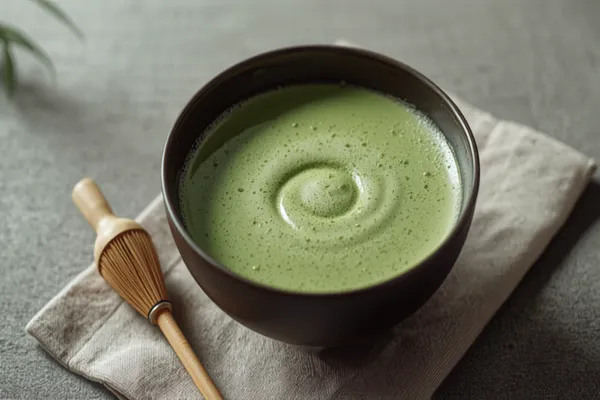
How to whisk a proper bowl of usucha — thin matcha — with a bamboo chasen: bright, jade-green, frothed to a fine foam, and faintly sweet-bitter. The everyday face of Japan's centuries-old tea tradition, ready in two minutes on a home counter.
Japan (matcha tradition, Uji & Nishio) · Japanese
Matcha Latte (Whisked Japanese Green Tea Latte)
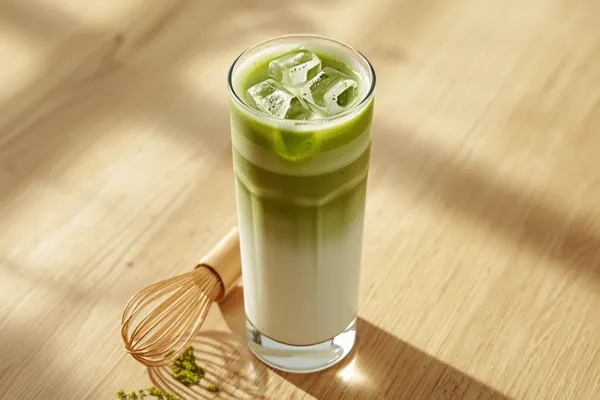
Stone-ground Japanese matcha whisked smooth and poured over steamed milk — grassy, sweet and gently caffeinated, with no bitterness when you make it right. A café favourite that's better and cheaper at home.
 21+
21+ American bars (via Japanese Midori) · Japanese-American
Midori Sour (Melon Liqueur, Lemon & Lime)
The bright-green retro sour: sweet Midori melon liqueur balanced with fresh lemon and lime, lengthened with a splash of soda. A vivid, nostalgic crowd-pleaser — sweet-tart, low-proof and unmistakably '80s.
From our kitchen community
Ratings & Reviews
My Rating
Tap a star to rate — no sign-in, no form needed.
My Review
0 Ratings
🥣 0 home cooks made it!
Be the first to rate Gyoza (Japanese Pan-Fried Pork Dumplings).
Related Recipes
Tokyo, Japan · Japanese
Tokyo Shoyu Ramen (Soy Sauce Ramen)
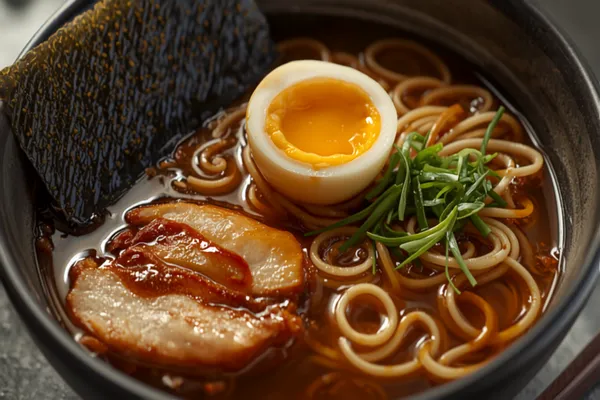
The classic Tokyo bowl: springy noodles in a clear, soy-seasoned chicken broth, topped with marinated egg, chashu pork, and spring onion. A weekend project broken into make-ahead parts that come together into a restaurant-worthy bowl.
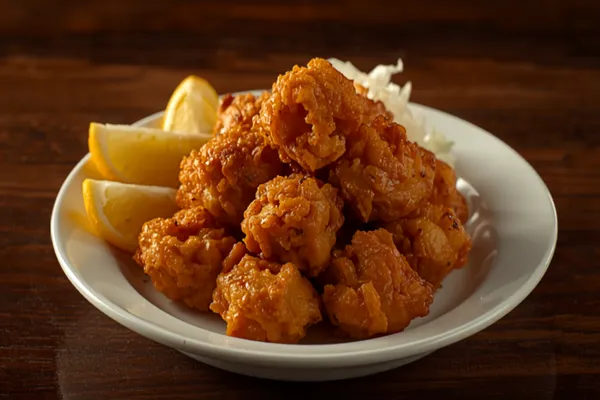
Japan (nationwide izakaya and home cooking; Oita's Nakatsu is its spiritual capital) · Japanese
Chicken Karaage (Japanese Fried Chicken)
Japan's beloved fried chicken: juicy thigh meat steeped in a ginger-garlic-soy marinade, dredged in potato starch, and double-fried to a shatteringly crisp, lacy crust. The izakaya snack and bento hero you'll make on repeat.
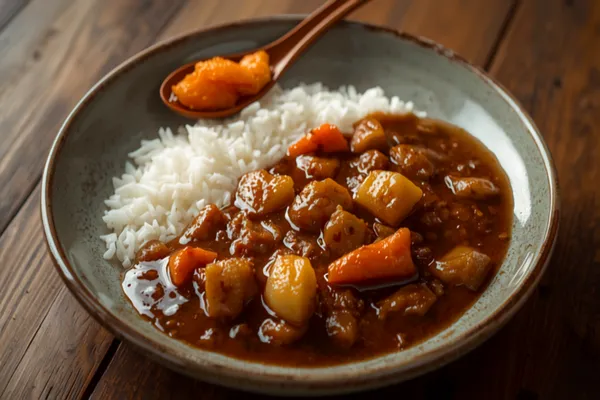
Japan (nationwide; adapted from British naval curry in the Meiji era and thoroughly naturalized) · Japanese
Japanese Curry (Kare Raisu) with From-Scratch Roux
Kare raisu, Japan's beloved national comfort food: sweet onions, carrots, and potatoes simmered into a thick, glossy, mildly sweet-savoury curry built on a scratch curry roux — with an honest note on the curry-block shortcut every Japanese household actually keeps.
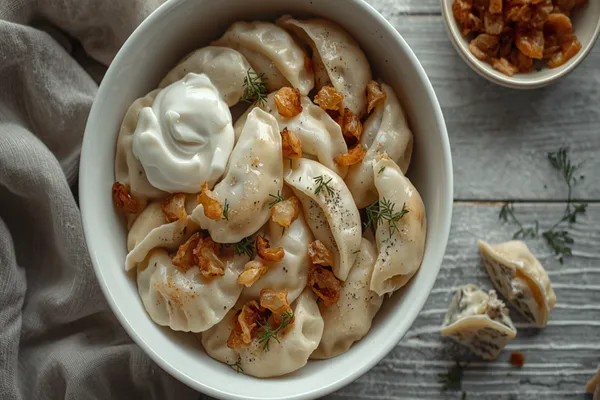
Poland — eaten nationwide, but named for Ruś (Red Ruthenia), the historic borderland now split between south-eastern Poland and western Ukraine · Polish
Pierogi Ruskie (Polish Potato and Twaróg Dumplings)
Poland's most-loved pierogi: a hot-water dough rolled thin enough to see through, wrapped around floury potato, tangy twaróg curd cheese and onions fried slowly to deep gold — boiled, buttered, and eaten under a spoonful of sour cream.
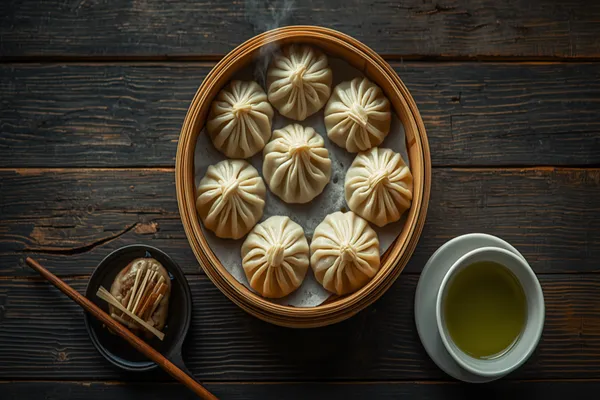
Nanxiang, in Shanghai's western Jiading district — and the teahouse counters around Yu Garden that carried it into the city · Chinese
Xiaolongbao (Shanghai Soup Dumplings, the Nanxiang Way)
The dumpling that carries its own soup: chilled pork aspic folded into the filling, sealed inside a thin unleavened wrapper with eighteen pleats, and steamed until the jelly melts back into broth. Every part of the technique exists to protect that liquid.