Japan (nationwide; the soba craft is most storied in Nagano/Shinshu and old Edo/Tokyo) · Japanese
Zaru Soba (Chilled Buckwheat Noodles with Dipping Sauce)
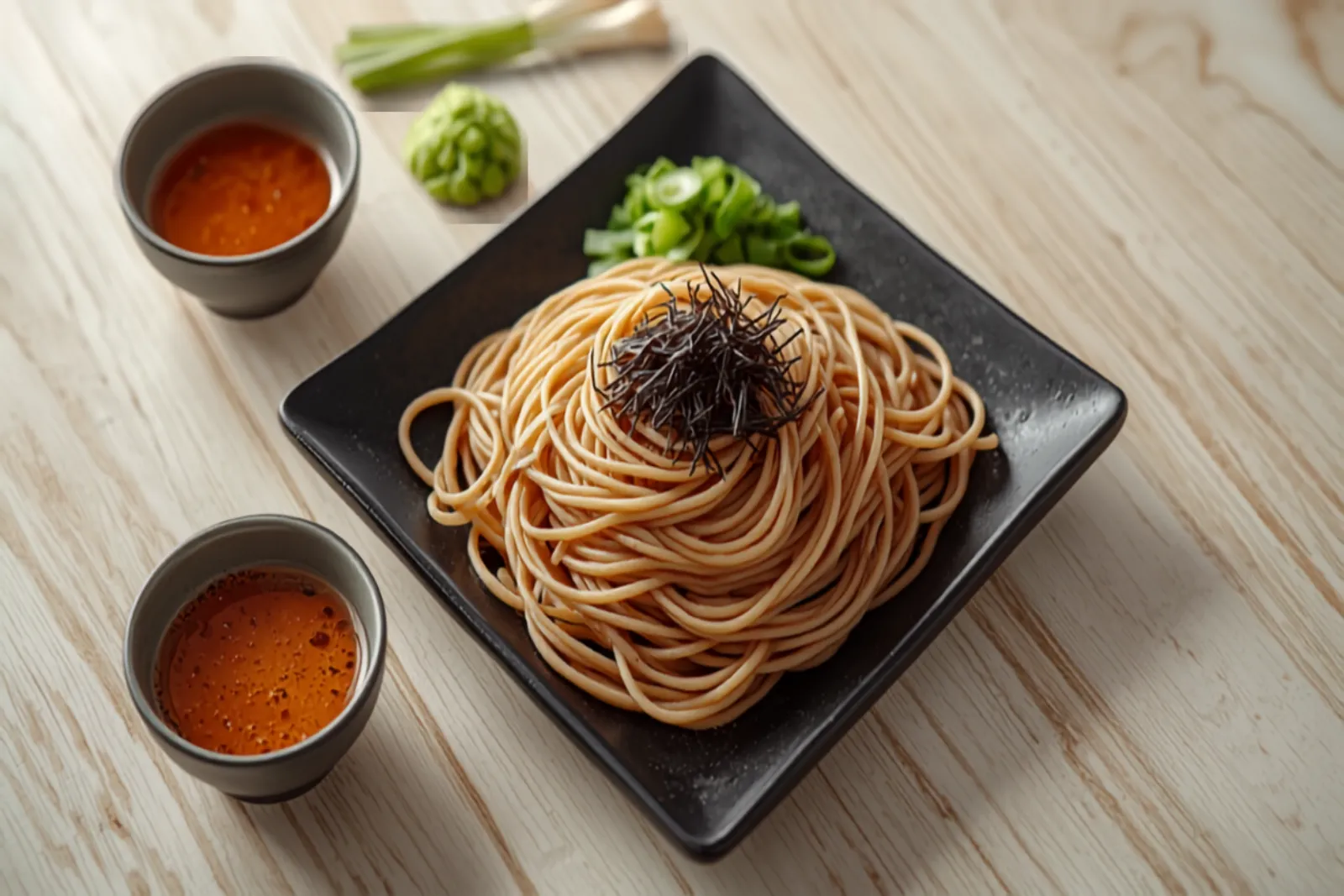
Cold buckwheat soba fanned over a bamboo zaru, dipped bite by bite into a chilled dashi-soy tsuyu sharpened with scallion and wasabi. The purest, most refreshing noodle dish in the Japanese summer, and a quiet showcase for good dashi.
Published August 3, 2026
Cultural context
Zaru soba — soba served on a zaru, a bamboo draining basket — is high summer in a bowl, the dish you eat when the heat kills your appetite for anything hot. Soba itself carries centuries of Edo culture: slurped standing at station stalls, eaten as toshikoshi soba on New Year's Eve for a long life, and given to new neighbours as hikkoshi soba. Eating it cold, dipped rather than drowned, is the connoisseur's way to taste the buckwheat itself.
There is a particular kind of Japanese summer day — humid, still, the cicadas screaming — when the idea of a hot meal feels physically offensive. This is when zaru soba earns its place. Cold buckwheat noodles, fanned over a bamboo basket, dipped one small bundle at a time into a chilled, savoury sauce: it is refreshment engineered into a meal, and it asks almost nothing of you but a big pot of boiling water and a good cold rinse.
Soba is more than a noodle in Japan; it’s a cultural thread. Edo — old Tokyo — was mad for it, slurped at standing stalls between errands. People still eat toshikoshi soba on New Year’s Eve, the long strands standing in for a long life, and hand bowls of hikkoshi soba to new neighbours as a pun-laden greeting. To eat it cold and dipped, rather than swimming in hot broth, is the way the connoisseur tastes the buckwheat itself.
The tsuyu is where dashi does its quiet work
The dipping sauce, tsuyu, is only dashi, soy sauce, and mirin — but that short list is exactly why the dashi matters. There’s no simmering onion or fried aromatics to hide behind; the stock is naked on the tongue. A clean kombu-and-bonito dashi tastes of the sea and of umami depth, and it makes a tsuyu you want to drink. If you’ve never made your own, it’s the single technique that most upgrades your Japanese cooking, and we walk through it in our guide to dashi. On a weeknight, instant hondashi is an honest shortcut. Just get it cold before serving — warm tsuyu is a different, sadder dish.
The cold rinse is not optional
New cooks often skip it, and the noodles pay the price. After boiling, soba must be rinsed hard under cold running water, rubbed between your hands until the strands feel cool and squeaky rather than slippery. This washes away the surface starch that would otherwise glue the noodles into a pasty clump, and it gives cold soba the springy, distinct bite that is the entire point. A final plunge into ice water firms them further. Skip this, and you get a sad grey knot; do it right, and each strand stands on its own.
How to actually eat it
Dip only the bottom third of each bundle. Drowning the whole tangle floods your palate with salt and hides the nutty buckwheat you went to the trouble of tasting. Stir a little scallion and wasabi into your own cup, lift, dip, and slurp — and yes, slurp, because pulling air across the noodles cools them and lifts the aroma. At the end, if you’re feeling traditional, pour the cloudy sobayu (the noodle-cooking water) into your leftover tsuyu and drink it as a warm, thrifty little broth. Nothing wasted, everything savoured.
Hungry for more? Browse the full recipe collection, or read more cultural stories behind the food.
Ingredients
For the tsuyu (dipping sauce)
- 1 cup dashi Homemade kombu-katsuo dashi gives the cleanest flavour; a teaspoon of instant hondashi in hot water is the honest weeknight shortcut. Chill it before serving.
- 1/4 cup soy sauce Japanese koikuchi (regular) soy sauce.
- 3 tbsp mirin Simmered briefly to burn off the raw alcohol edge if you have a minute; optional but nicer.
- 1 tsp sugar Optional, to round the edges; skip if your mirin is already sweet.
For the noodles
- 200 g (about 7 oz) dried soba noodles Look for a high buckwheat percentage (juwari is 100%; ni-hachi is 80% buckwheat, 20% wheat and easier to handle).
To serve
- toasted nori Cut into thin shreds (kizami nori) and scattered over the noodles.
- scallion Thinly sliced, rinsed briefly in cold water to soften the bite, then squeezed dry.
- wasabi Freshly grated is a revelation if you can find real wasabi; tube paste is fine.
Method
Tap a step’s number to check it off as you go.
-
Combine the dashi, soy sauce, mirin, and sugar for the tsuyu, then chill thoroughly in the fridge (or over an ice bath) while you cook the noodles.
Why: A cold, seasoned dipping sauce is the whole identity of zaru soba — warm tsuyu makes it a different, lesser dish. Mixing it first lets it get properly cold.
-
Bring a large pot of unsalted water to a rolling boil and cook the soba according to the package, usually 4–5 minutes, stirring so the strands don't clump.
Why: Soba water needs no salt — the noodles are seasoned entirely by the tsuyu, and a big pot keeps the starchy water from turning gluey.
-
Drain the noodles and immediately rinse them under cold running water, rubbing gently with your hands until they feel cold and no longer slippery.
Why: Rinsing stops the cooking and washes off surface starch, which is what gives cold soba its clean, springy bite instead of a pasty one. This step is non-negotiable.
-
Give them a final dunk in ice water, then drain well and fan the noodles out on a bamboo zaru or a plate lined with a small draining rack.
Why: The ice bath firms the noodles and chills them; the zaru lets residual water drip away so the noodles never sit in a puddle and dilute your sauce.
-
Scatter shredded nori over the noodles. Pour the chilled tsuyu into small individual cups and set out the scallion and wasabi alongside.
Why: Adding nori at the last second keeps it crisp and aromatic; nori steamed by hot noodles turns to mush.
-
To eat: stir a little scallion and a dab of wasabi into your tsuyu cup, lift a small bundle of noodles, dip the bottom third, and slurp.
Why: Dipping only the ends — not drowning the whole tangle — is how you taste the buckwheat and control the salt. The slurp isn't rudeness; it aerates the noodles and cools them on the way in.
A quick, anonymous tap — no review needed.
Variations
- Tororo soba
Grate a knob of nagaimo (mountain yam) into a slippery paste and spoon it over the noodles, or into the tsuyu. Its silky, slightly foamy texture is a classic soba topping.
- Tempura on the side (tenzaru)
Serve the chilled soba with a few pieces of hot shrimp or vegetable tempura alongside. The contrast of crisp-and-warm against cold-and-clean is one of Japan's great lunches.
- Fully vegetarian dashi
Make the dashi from kombu and dried shiitake instead of bonito flakes for a plant-based tsuyu that's still deeply savoury.
Serving & Storage
Serve on individual bamboo zaru with the dipping cups already poured, so each person controls their own condiments. A cup of the hot pasta water (sobayu) is traditionally offered at the end to pour into the leftover tsuyu and drink.
Pairs with: Vegetable tempura, Agedashi tofu, Cold barley tea (mugicha).
Storage: Best assembled and eaten fresh — rinsed soba turns soft and sticky within an hour. The tsuyu, however, keeps for up to a week in the fridge and is worth making in a double batch.
Nutrition
Per serving (1 serving with sauce)
- Calories
- 400
- Protein
- 16 g
- Carbs
- 80 g
- Fat
- 2 g
- Fiber
- 5 g
- Sugar
- 8 g
- Sodium
- 1650 mg
Notable micronutrients: Manganese, Magnesium, Thiamin
Estimated using standard ingredient data. Values vary with brands and substitutions.
Frequently Asked Questions
What exactly is a zaru, and do I need one?
A zaru is a flat bamboo basket that lets water drain away from the noodles so they don't sit soggy. It's the traditional (and prettiest) vessel, but any plate set over a small rack — or even a colander lined into a bowl — does the same job.
What's the difference between zaru soba and mori soba?
Almost nothing. Mori soba is the plainer original; zaru soba was historically the fancier version served on a zaru with shredded nori on top and, once upon a time, a better grade of tsuyu. Today the nori is usually the only visible difference.
What is the little cup of cloudy liquid at the end?
That's sobayu, the starchy water the soba cooked in. At soba restaurants it's brought out at the end to pour into your remaining tsuyu and sip as a warm, savoury broth — a thrifty, delicious way to finish nothing to waste.
What to drink with this
All drinks →Hand-picked pours to match this dish. Alcoholic pairings are for adults of legal drinking age (21+ in the US) — please drink responsibly.
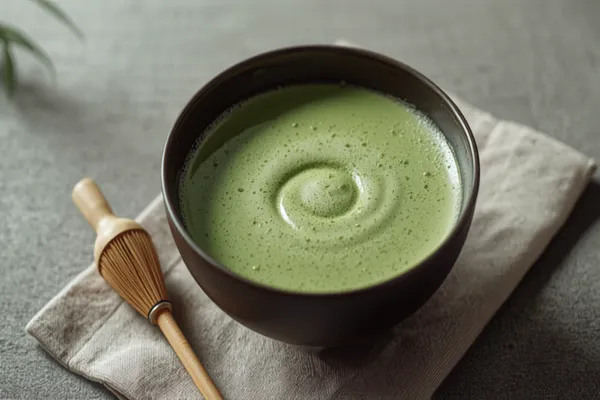
Japan (the chado tea tradition of Kyoto and Uji, home of Japan's finest matcha) · Japanese
Matcha (Whisked Usucha, Thin Tea)
How to whisk a proper bowl of usucha — thin matcha — with a bamboo chasen: bright, jade-green, frothed to a fine foam, and faintly sweet-bitter. The everyday face of Japan's centuries-old tea tradition, ready in two minutes on a home counter.
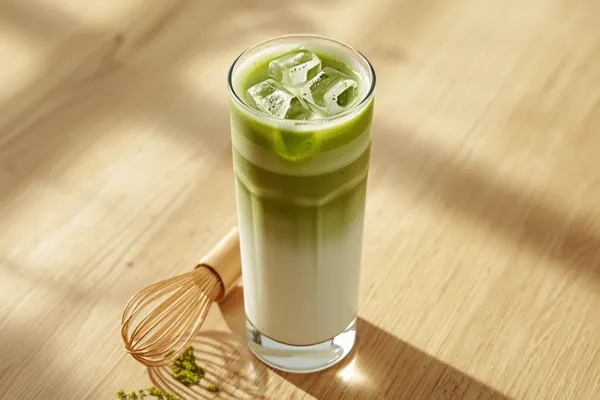
Japan (matcha tradition, Uji & Nishio) · Japanese
Matcha Latte (Whisked Japanese Green Tea Latte)
Stone-ground Japanese matcha whisked smooth and poured over steamed milk — grassy, sweet and gently caffeinated, with no bitterness when you make it right. A café favourite that's better and cheaper at home.
 21+
21+ American bars (via Japanese Midori) · Japanese-American
Midori Sour (Melon Liqueur, Lemon & Lime)
The bright-green retro sour: sweet Midori melon liqueur balanced with fresh lemon and lime, lengthened with a splash of soda. A vivid, nostalgic crowd-pleaser — sweet-tart, low-proof and unmistakably '80s.
From our kitchen community
Ratings & Reviews
My Rating
Tap a star to rate — no sign-in, no form needed.
My Review
0 Ratings
🥣 0 home cooks made it!
Be the first to rate Zaru Soba (Chilled Buckwheat Noodles with Dipping Sauce).
Related Recipes
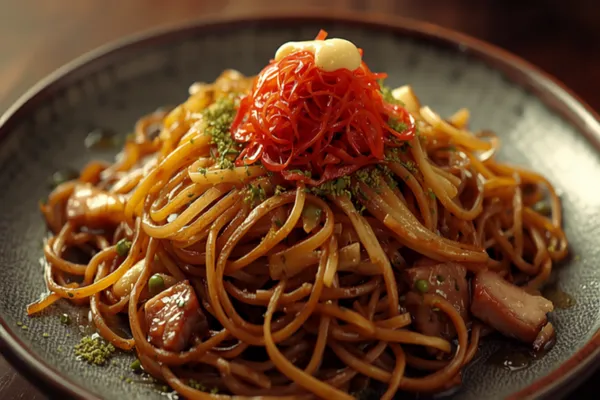
Japan (nationwide street and home food; a fixture of matsuri festival stalls everywhere) · Japanese
Yakisoba (Japanese Stir-Fried Noodles)
Griddled wheat noodles tossed with cabbage, pork, and a sweet-savoury yakisoba sauce, then finished with aonori, pickled ginger, and a squiggle of mayo. The smoky, saucy festival-stall classic you can make in fifteen minutes on a home stovetop.
Japan (nationwide izakaya and washoku home cooking; an Edo-era classic) · Japanese
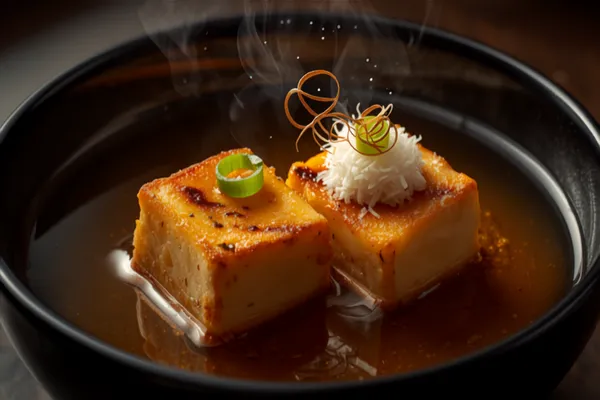
Agedashi Tofu (Lightly Fried Tofu in Dashi Broth)
A quietly elegant izakaya classic: silken tofu dusted in potato starch and fried to a delicate crisp, then bathed in a warm dashi-soy tsuyu with grated daikon, scallion, and a flutter of bonito flakes. Crisp, custardy, and deeply comforting.
Japan (nationwide home cooking; the donburi tradition is rooted in Tokyo) · Japanese
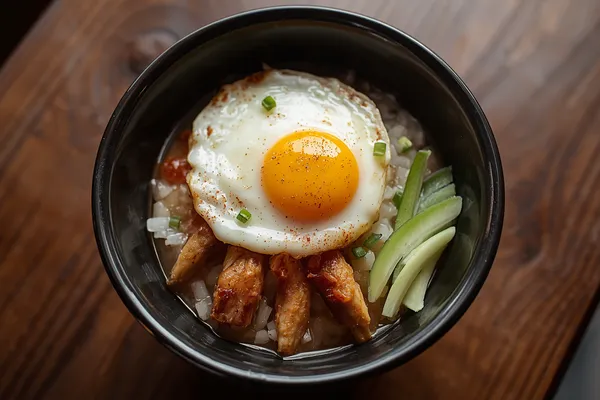
Oyakodon (Japanese Chicken and Egg Rice Bowl)
The Japanese home-cooking classic: chicken simmered with sweet onions in a dashi-soy broth, bound with barely-set egg and slid over hot rice. Fast, frugal, and deeply comforting — dinner in under thirty minutes.
Further reading
- Cultural Story · JapanA Complete Guide to Japanese CookingJapanese food is not one thing but a whole grammar — washoku and the everyday home meal, the umami of dashi, the discipline of rice, and a country of sharply distinct regions. A guide to the philosophy, the building blocks, and where to start cooking.
- Ingredient Deep Dive · JapanDashi: The Quiet Foundation Under Japanese CookingBefore miso soup, before noodle broth, before a hundred simmered dishes, there is dashi — the five-minute stock of kelp and dried fish that gives Japanese food its savory depth. Here's what it is, why it matters, and how to make it.