Nutrition
The Keto Table: Eating Low-Carb Without Losing the Flavour
Keto doesn't have to mean sad, beige food. A practical look at what actually makes a dish ketogenic, why so much of the world's grilled-meat, coconut-curry and paneer cooking is naturally low-carb, and how we decide which recipes earn the Keto tag.
Published August 5, 2026
There’s a stubborn myth that eating keto means a lifetime of dry chicken breast, plain eggs and iceberg lettuce. Spend an evening at almost any table in India, the Levant or the Mediterranean coast and the myth falls apart. So much of the world’s most flavour-dense cooking — charcoal-grilled meat, slow coconut curries, paneer blistered in a tandoor, greens cooked down in ghee — is already low in carbohydrate. The carbs were never in the dish. They were in the rice and the bread beside it.
This page is our short, practical take on eating low-carb without eating boring. For the deeper science-and-lifestyle side of it — fat-adaptation, macros, the day-to-day of actually sticking with it — we’ll point you to the people who cover that ground well.
What actually makes a dish keto
Strip away the marketing and “keto” means one specific thing: very low carbohydrate, with most of the energy coming from fat and protein. A useful working line is around 10 grams of net carbs — total carbohydrate minus fibre — per serving or less.
In the kitchen, that translates to a simple sorting rule:
- Yes: meat, poultry, fish and seafood, eggs, paneer and cheese, yogurt, cream, ghee and oils, coconut, and non-starchy vegetables (leafy greens, eggplant, cauliflower, okra, peppers, cucumber, tomato in moderation).
- No: rice, wheat and all flours, sugar and jaggery, potato and starchy roots, and most legumes (dal, chickpeas, beans, and yes — peas).
Notice that almost everything in the “yes” column is about the main dish, and almost everything in the “no” column is a side or a base. That’s the whole trick.
Why our kind of food is quietly keto
Because this site leans heavily on Indian and cross-cultural home cooking, a lot of our repertoire lands in the “yes” column without any special effort:
- Off the grill: Tandoori Chicken and Paneer Tikka are yogurt-and-spice marinades on protein — carbs barely register.
- Coconut curries: Goan Fish Curry and Chingri Malai Curry are built on coconut, fat and seafood.
- Slow-cooked meat: Laal Maas, Kashmiri Rogan Josh and Chettinad Chicken are chilli, yogurt, ghee and spice.
- Greens and veg: Palak Paneer, Baingan Bharta and Thoran turn non-starchy vegetables into the whole point of the plate.
Eat any of these without the rice or roti and you’re eating keto — no substitution required.
How we tag Keto (and why we’re strict about it)
“Keto-ish” labels are easy to hand out and easy to distrust. So we hold a firm line: a recipe carries the Keto tag only when it is genuinely low-carb as written — around 10 g net carbs per serving or less, resting on protein, fat and non-starchy vegetables, with no core grain, sugar, starchy root or legume.
Dishes that could be adapted — swap in cauliflower rice, wrap the burger in lettuce, skip the naan — are wonderful, but they don’t get the tag here. If a dish is on our Keto collection, it earns the label on its own ingredients. You can browse the whole set on the Keto hub, or filter the full recipe collection by Keto.
Going deeper: the how-to-live-it side
We’re a recipe site — our job is to make the low-carb dinner worth cooking. For the parts that sit around the plate — fat-adaptation, working out your macros, building a sustainable low-carb week — our friends at The ETL Life (Eat Train Lead) go deep:
- The ETL keto guide — a beginner-to-sustainable playbook for starting fat-adaptation the right way.
- Macro calculator — work out your own fat and protein targets.
- Keto recipe library — a growing shelf of low-carb meals built for busy weeks.
- All ETL articles — the wider Eat / Train / Lead writing.
Cook from our table; take the lifestyle science from theirs. Between the two, low-carb stops being a punishment and starts being dinner.
Frequently Asked Questions
What makes a dish keto?
A ketogenic dish is very low in carbohydrate — usually around 10 g of net carbs (total carbs minus fibre) per serving or less — and gets most of its energy from fat and protein. In practice that means building a plate around meat, fish, eggs, paneer, cheese, good fats and non-starchy vegetables, and leaving out grains, sugar, starchy roots and most legumes.
Is Indian food keto-friendly?
A surprising amount of it is — once you set aside the rice and bread. Tandoori and tikka off the grill, coconut-based curries, paneer dishes, kebabs and dry-fried meats are all naturally low in carbs. The carbs in an Indian meal usually live in the sides (rice, roti, potatoes, dal), not in the main dish itself.
How do you decide which recipes get the Keto tag?
We're deliberately strict. A recipe is tagged Keto only if it's low-carb as written — roughly 10 g net carbs per serving or less, built on protein, fat and non-starchy veg with no core grain, sugar, starchy root or legume. Dishes that only become keto with a swap (cauliflower rice, a lettuce wrap, skipping the naan) aren't tagged, so the label stays something you can trust.
Related Recipes
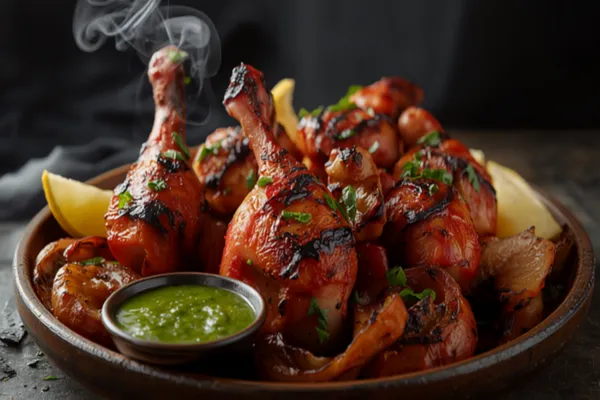
Punjab / Delhi / North India · Indian
Tandoori Chicken
The smoky, scarlet-edged chicken that launched a thousand restaurant menus: yogurt-and-spice marinated, charred hard, and finished with butter and lemon. A home oven or grill stands in for the tandoor.
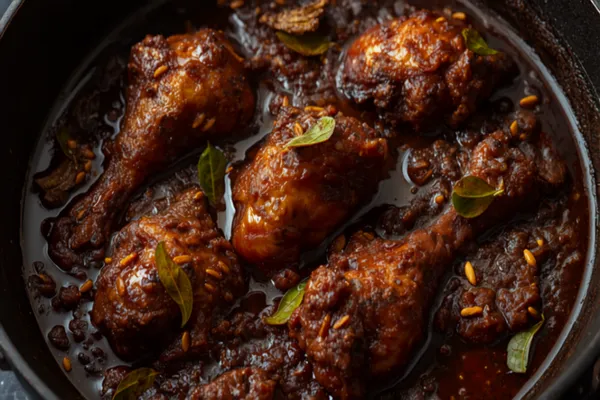
Chettinad, Tamil Nadu / South India · Indian
Chettinad Chicken (Kozhi Chettinad)
Tamil Nadu's boldest curry: chicken in a dark, aromatic masala of freshly roasted and ground spices — peppercorns, fennel, star anise, and the smoky stone flower (kalpasi) — fired up with Chettinad's signature heat. Deep, complex, unforgettable.
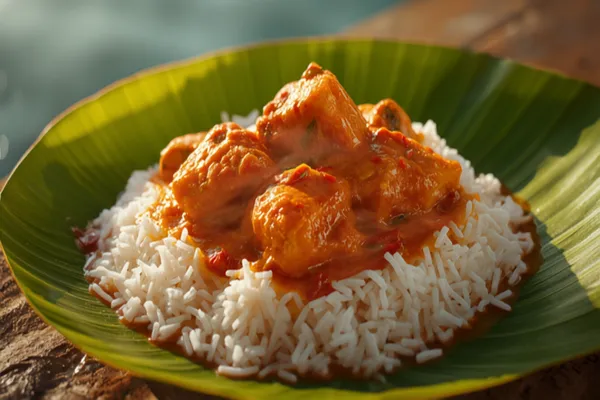
Goa / West India · Indian
Goan Fish Curry (Xitti Kodi)
Goa's everyday coconut fish curry — fish simmered in a vivid red gravy of ground coconut, Kashmiri chilli, and spices, soured with tamarind or kokum. Tangy, gently fiery, and built for spooning over plain rice.
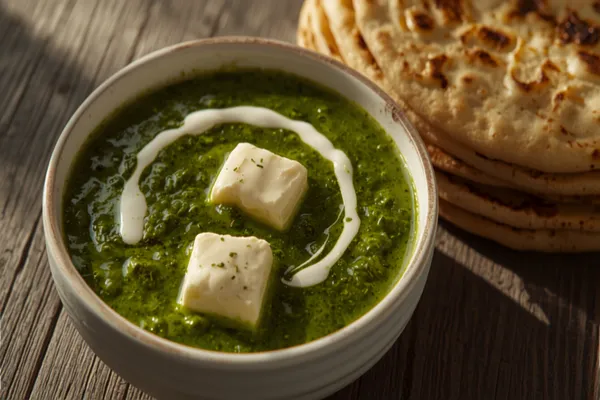
Punjab / North India · Indian
Palak Paneer (Spinach and Paneer Curry)
North India's beloved greens-and-cheese curry: soft paneer cubes in a bright, gently spiced spinach gravy. Vegetarian, quick, and a benchmark of a good home kitchen.
Rajasthan / West India · Indian
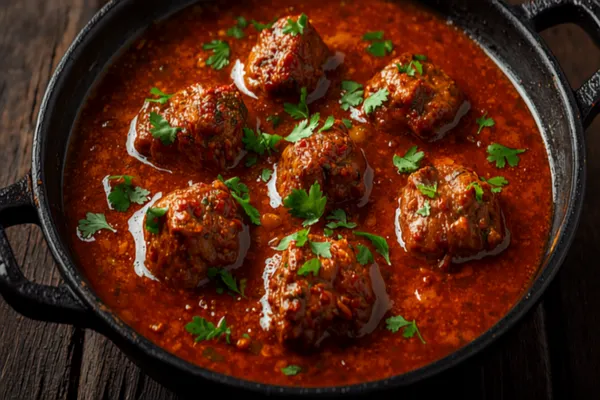
Laal Maas (Rajasthani Red Mutton Curry)
A fiery Rajasthani classic from the royal hunting kitchens: mutton braised in a brick-red gravy of Mathania chilies and yogurt, with an optional ember-and-ghee smoking that gives it a hunter's smokiness. Bold, lean, and unforgettable.