Tokyo, Japan (teamLab Planets, Toyosu) · Japanese
Spicy Vegan Miso Ramen (Vegan Ramen UZU–Style)
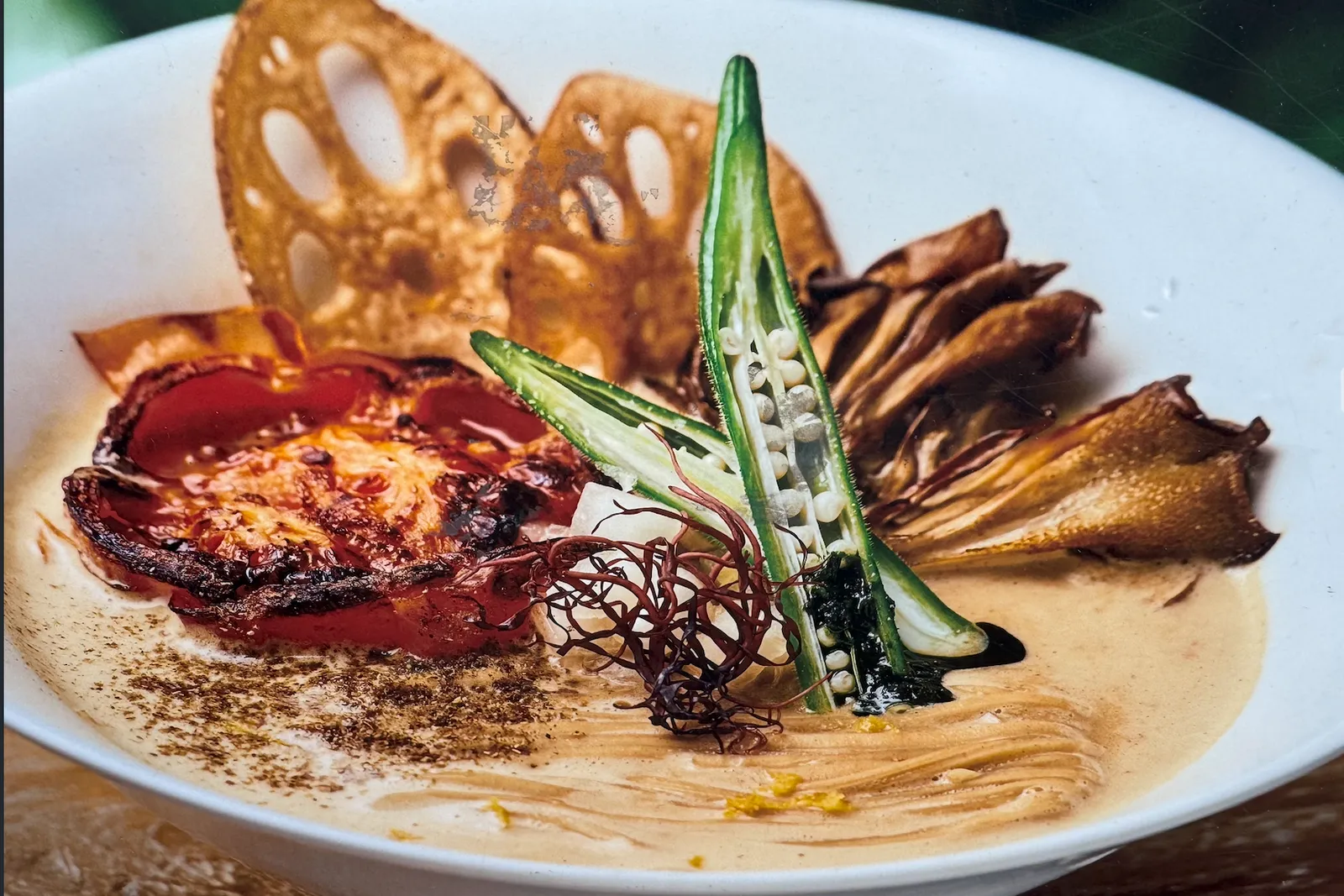
A home tribute to the spicy vegan miso ramen at teamLab's Vegan Ramen UZU in Tokyo: a kombu-and-shiitake dashi whisked with oat milk into a pale, creamy broth, a sesame-miso-doubanjiang tare, and a composed plate of real vegetables — charred tomato, a fanned roasted maitake, crisp lotus chips, split okra, thread chili, and a whisper of yuzu. No fake meat, all umami.
Published August 3, 2026
Cultural context
Vegan Ramen UZU is the ramen shop run by the art collective teamLab, with locations at teamLab Planets in Toyosu, Tokyo and in Kyoto. Its chef-owner, Ryo Kataoka, set out to make vegan ramen that is genuinely delicious and sustainable rather than an imitation of meat — 'no fake char siu,' as he puts it — building depth from kombu, shiitake, miso, and vegetables roasted to concentrate their flavour. This is an affectionate home recreation of their spicy vegan miso bowl, not the restaurant's proprietary recipe.
Some meals stay with you, and for a lot of people a bowl at Vegan Ramen UZU — the ramen shop run by the art collective teamLab, tucked beside the mirrored water rooms of teamLab Planets in Toyosu — is one of them. You come for the digital art and leave thinking about the ramen, which is a strange and wonderful thing to happen at a museum. Their spicy vegan miso bowl is proof of a simple idea, held stubbornly by chef-owner Ryo Kataoka: vegan ramen doesn’t need to imitate meat to be extraordinary. It needs vegetables treated with real technique.
This is a home cook’s tribute to that bowl — not the restaurant’s secret formula, but a faithful recreation built from the things UZU is known for. If you ate it and have been chasing the memory ever since, this will take you a long way back.
The broth: dashi, then oat milk
The base is a vegan dashi — kombu and dried shiitake, slowly steeped rather than boiled — which is the plant kingdom’s answer to the kelp-and-bonito stock under most Japanese cooking. It’s clean, smoky, and deeply savoury on its own. If you’ve never made dashi, it’s worth learning once; we walk through the principles in our guide to dashi.
Then comes UZU’s signature move: a splash of unsweetened oat milk. It sounds odd until you taste it — that little bit of oat gives the broth the round, faintly sweet richness a pork-bone stock would, without a trace of dairy. The one rule is to keep it gentle. Boil it hard and it will split; kept below a simmer, it turns the broth silky.
The tare is where the heat lives
Ramen flavour is built in the bowl, from a concentrated seasoning paste called tare. Here it’s a blend of two misos for depth, white sesame paste for a creamy nuttiness, and doubanjiang — spicy fermented broad-bean chili paste — for the heat, rounded out with ginger, garlic, and a little soy. Whisk it smooth, and it dissolves into the hot dashi to make a broth that’s at once nutty, spicy, and profound. Start gentle on the chili; you can always add more la-yu at the table.
No fake meat — roast the vegetables instead
This is the heart of the UZU philosophy, and the most fun part to cook. Instead of imitation char siu, you build the bowl from vegetables pushed to their most intense selves, then compose them like a still life. A tomato half goes under the broiler until it’s blistered and blackened at the edges, smoky and jammy. A whole maitake cluster is roasted so its fronds crisp while the base stays meaty, and kept in one dramatic fan. Paper-thin lotus root is fried into lacy, crackling chips — the golden wheels-with-holes that make the bowl look like it belongs in the museum next door. A blanched okra pod, split lengthwise to reveal its little galaxy of seeds, stands upright as the centrepiece.
And then the finishing touches that carry the heat and the perfume: a nest of thread chili (ito-togarashi), a smoky spice dusting fanned across the broth, a ribbon of chili oil, and — the detail that makes people close their eyes — a few flecks of yuzu zest. Arrange it all in tidy zones rather than piling it in; the composed plate is the whole aesthetic, meant to be admired for a beat before you break it apart.
Timing it
The trick to any ramen is that everything converges at once, so read the recipe through first. Get the dashi steeping, roast the tomatoes and crisp the maitake while it does, mix the tare, and cook the noodles last — they wait for no one. From there it’s ninety seconds of fast assembly and you’re eating.
Hungry for more? Compare it with our Tokyo shoyu ramen, browse the whole cooking of Japan, or read the cultural stories behind the food.
Ingredients
For the vegan dashi (broth base)
- 4 cups (1 L) water
- 1 piece (about 10 g) kombu (dried kelp) Rausu kombu is what UZU uses and is worth seeking out; any good kombu works. Do not rinse off the white bloom — it's umami.
- 4 large dried shiitake mushrooms The vegan replacement for bonito — they give the smoky, savoury backbone. Whole dried shiitake, not powder.
- 3/4 cup (180 ml) unsweetened oat milk UZU's signature move — it lends body and a faint natural sweetness without dairy. Soy milk works but tastes beanier; oat is closer.
For the spicy miso tare (seasoning base)
- 2 tbsp white miso (shiro miso) The mellow, sweeter base.
- 1 tbsp red or brown miso (aka miso) For depth and colour. A blend of misos is what gives the tare its roundness.
- 2 tbsp white sesame paste (neri goma) The creamy, nutty heart of the bowl. Unsweetened Chinese sesame paste or a well-stirred pale tahini both work.
- 1–2 tbsp doubanjiang (spicy fermented broad-bean chili paste) The heat. Start with 1 tbsp. Check the label — traditional doubanjiang is vegan, but a few brands add additives.
- 1 tsp grated fresh ginger
- 2 cloves garlic, finely grated
- 1 tsp soy sauce
- 1 tsp sugar or mirin Balances the salt and heat; optional if your oat milk is already sweetish.
For the aroma oil (optional but recommended)
- 2 tbsp toasted sesame oil
- 1 tsp la-yu (Japanese chili oil), plus more to finish
For the toppings
- 2 small (or 1 medium) ripe tomatoes, halved Charred cut-side-up under the broiler until blistered and jammy — the big caramelised tomato half is the anchor of the bowl. Cherry tomatoes roasted whole are an easy stand-in.
- 1 tsp olive or neutral oil, plus a pinch of salt (for the tomatoes)
- 1 large cluster (about 100 g) maitake (hen-of-the-woods) mushrooms Kept in one big fan, brushed with oil, and roasted or seared until the fronds are crisp and lacquered. King oyster or oyster mushrooms are a fine substitute.
- 6–8 thin slices lotus root (renkon) Sliced paper-thin and fried or baked into crisp, lacy chips — the golden wheels with holes. A signature UZU garnish; parsnip or taro chips work if you can't find lotus.
- 2 pods fresh okra Blanched 60 seconds, then split lengthwise so the star of seeds shows — set upright for the restaurant's plating flourish.
- 1 small handful greens (komatsuna, spinach, or bok choy), blanched
- yuzu peel (fresh or dried), finely zested or slivered A few flecks only — its floral citrus is the finishing note that ties the bowl together. Lemon or lime zest in a pinch.
- ito-togarashi (thread-cut dried red chili) A little nest on top — the visible face of the heat, and pure UZU showmanship. Optional but lovely.
- smoky spice dusting (shichimi togarashi, sansho, or roasted chili powder) and toasted white sesame The dark dusting fanned across the broth's edge — adds aroma and a second layer of gentle heat.
For the bowl
- 2 portions (about 200 g dried, or 2 fresh nests) ramen noodles Medium-thick wheat ramen noodles. Check they're egg-free for a fully vegan bowl — most fresh Japanese ramen noodles are.
Method
Tap a step’s number to check it off as you go.
-
Make the dashi. Put the water, kombu, and dried shiitake in a saucepan and, ideally, soak for 30 minutes (or overnight in the fridge for the cleanest flavour). Set over low heat and bring slowly toward a bare simmer — about 10 minutes. Just before it would boil, lift out the kombu.
Why: A slow, gentle extraction draws out glutamates without turning the kombu slimy or bitter. Boiling kombu is the classic vegan-dashi mistake.
-
Let the shiitake keep steeping off the heat for another 10 minutes, then remove them (save them — see below). You should have a clear, mahogany-tinted broth. Stir in the oat milk and keep it warm over the lowest heat; do not let it boil.
Why: Off-heat steeping pulls the last of the mushrooms' savour. The oat milk goes in at the end and stays below a simmer so it thickens the broth without splitting.
-
Char the tomato. Heat the broiler (grill). Rub the tomato halves with a little oil and salt and broil cut-side-up close to the element for 8–12 minutes until blistered, blackened at the edges, and collapsing.
Why: A hard char, rather than a gentle roast, gives the deep smoky-sweet tomato you saw in the bowl — the caramelised edges are the point, not a fault.
-
Roast the maitake and fry the lotus chips. Brush the whole maitake cluster with oil and roast at 200°C / 400°F (or sear in a hot pan) 8–10 minutes until the fronds are crisp and lacquered, keeping the fan intact. Meanwhile, fry the paper-thin lotus slices in 1 cm of hot oil (or bake at 180°C) until golden and crisp, and drain on paper.
Why: Left whole, the maitake reads as a showpiece and crisps at the fronds while staying meaty at the base. The lotus chips must be sliced translucently thin to go shatteringly crisp — a mandoline helps.
-
Prep the fresh garnishes. Blanch the okra 60 seconds, cool, and split each pod lengthwise so the ring of seeds shows. Blanch the greens briefly and squeeze dry. Zest the yuzu and loosen a small pinch of ito-togarashi.
Why: The split okra is UZU's signature upright flourish, and a quick blanch keeps it vivid green and takes off the raw edge while holding its shape.
-
Make the tare and froth the broth. Whisk both misos, the sesame paste, doubanjiang, ginger, garlic, soy sauce, and sugar into a smooth paste and divide between two deep bowls (a heaping 2 tbsp each). Ladle in the hot (not boiling) broth and whisk hard — or buzz the broth with an immersion blender before pouring — until it turns pale, creamy, and lightly frothed like a cappuccino.
Why: Building the tare in the bowl lets you dial each serving. The vigorous whisk (or a stick-blender) emulsifies the sesame and oat milk into that signature pale, foamy, creamy broth — the look of the bowl you ate, not a thin red soup.
-
Warm the aroma oil. Gently heat the sesame oil with the la-yu for 30 seconds until fragrant, then swirl a spoonful into each bowl.
Why: A slick of aromatic chili oil floats on the pale broth — the dark ribbon you can see pooled near the garnish — carrying scent to your nose with every slurp.
-
Cook the noodles in plenty of boiling unsalted water to a shade under the package time, so they stay springy. Drain well.
Why: Ramen noodles finish cooking in the residual heat of the broth, so pulling them slightly early keeps them from going soft in the bowl. A well-drained noodle also keeps the broth from watering down.
-
Plate it like UZU. Lift the noodles into the frothed broth. Then arrange the toppings in their own zones around the rim: the charred tomato to one side, the crisp lotus chips standing up behind, the fanned maitake opposite, the split okra upright in the centre, greens tucked alongside. Perch the nest of ito-togarashi in front, fan a smoky dusting of spice across the broth's near edge, and finish with yuzu zest, a few sesame seeds, and the thread of chili oil.
Why: Arranging each element in its own section — rather than dumping them in — is the whole aesthetic of the bowl: it's a composed plate, meant to be admired for a moment before you break it apart and slurp. Eat immediately, while the noodles are perfect.
A quick, anonymous tap — no review needed.
Variations
- Milder
Drop the doubanjiang to 2 tsp and skip the extra la-yu at the finish. The sesame-miso broth is delicious with only a gentle warmth.
- Gluten-free
Use gluten-free ramen or rice noodles, tamari in place of soy sauce, and check your miso and doubanjiang are GF (some contain barley or wheat).
- Extra-rich (tantan-style)
Add a spoonful more sesame paste and top with a crumbled, pan-fried mushroom-and-walnut 'mince' seasoned with soy and chili for a vegan take on tantanmen.
- No oat milk
Leave it out for a lighter, clearer spicy miso broth, or use unsweetened soy milk for body — expect a slightly beanier note.
Serving & Storage
Serve the moment it's assembled, with a spoon for the broth and chopsticks for the noodles. A side of quick-pickled cucumber or a few gyoza turns it into a feast.
Pairs with: Gyoza, Quick-pickled cucumber (sunomono), Cold green tea or a crisp lager.
Storage: Ramen doesn't keep once assembled — the noodles soften. But the components store beautifully apart: the dashi keeps 3 days refrigerated (or freeze it), the tare up to 2 weeks in a jar in the fridge, and the roasted tomatoes a couple of days. Cook noodles and crisp the maitake fresh to serve.
Nutrition
Per serving (1 large bowl)
- Calories
- 580
- Protein
- 20 g
- Carbs
- 78 g
- Fat
- 22 g
- Fiber
- 8 g
- Sugar
- 12 g
- Sodium
- 1650 mg
Notable micronutrients: Iron, Selenium, Vitamin C, Potassium
Estimated using standard ingredient data. Values vary with brands and substitutions.
Frequently Asked Questions
What is doubanjiang, and is it vegan?
Doubanjiang is a spicy fermented broad-bean-and-chili paste, the backbone of Sichuan cooking and the heat source here. Traditional versions (like Pixian doubanjiang) are just beans, chili, and salt, and are vegan — but always scan the label, as a few commercial brands add flavour enhancers or preservatives. Korean gochujang is a reasonable substitute if you can't find it.
Can I make this quicker with instant dashi?
Yes — use a kombu-shiitake vegan dashi powder (many Japanese brands make one) stirred into hot water, then add the oat milk. It won't have quite the clarity of a slow-steeped dashi, but it's an honest weeknight shortcut and still tastes far better than a plain miso broth.
Why oat milk in ramen?
It's the signature touch at Vegan Ramen UZU. A little unsweetened oat milk gives the broth the round, faintly sweet body that a pork or chicken bone stock would otherwise provide — without any dairy — so the bowl tastes rich rather than thin. Keep it below a simmer so it doesn't split.
Is this the actual Vegan Ramen UZU recipe?
No — UZU's exact formula is their own. This is a home cook's faithful recreation built from the same ideas the restaurant is known for: a kombu-shiitake dashi with oat milk, a sesame-miso tare with doubanjiang for heat, and real roasted vegetables instead of meat substitutes.
What to drink with this
All drinks →Hand-picked pours to match this dish. Alcoholic pairings are for adults of legal drinking age (21+ in the US) — please drink responsibly.
Japan (the chado tea tradition of Kyoto and Uji, home of Japan's finest matcha) · Japanese
Matcha (Whisked Usucha, Thin Tea)
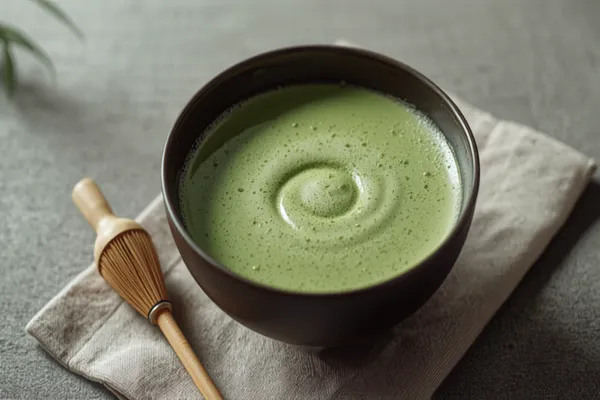
How to whisk a proper bowl of usucha — thin matcha — with a bamboo chasen: bright, jade-green, frothed to a fine foam, and faintly sweet-bitter. The everyday face of Japan's centuries-old tea tradition, ready in two minutes on a home counter.

Japan (matcha tradition, Uji & Nishio) · Japanese
Matcha Latte (Whisked Japanese Green Tea Latte)
Stone-ground Japanese matcha whisked smooth and poured over steamed milk — grassy, sweet and gently caffeinated, with no bitterness when you make it right. A café favourite that's better and cheaper at home.
 21+
21+ American bars (via Japanese Midori) · Japanese-American
Midori Sour (Melon Liqueur, Lemon & Lime)
The bright-green retro sour: sweet Midori melon liqueur balanced with fresh lemon and lime, lengthened with a splash of soda. A vivid, nostalgic crowd-pleaser — sweet-tart, low-proof and unmistakably '80s.
From our kitchen community
Ratings & Reviews
My Rating
Tap a star to rate — no sign-in, no form needed.
My Review
0 Ratings
🥣 0 home cooks made it!
Be the first to rate Spicy Vegan Miso Ramen (Vegan Ramen UZU–Style).
Related Recipes
Tokyo, Japan · Japanese
Tokyo Shoyu Ramen (Soy Sauce Ramen)
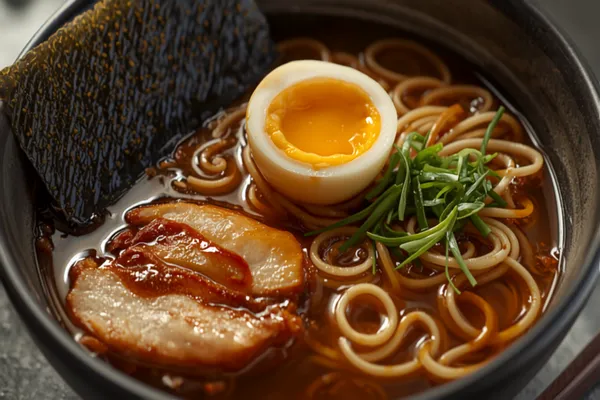
The classic Tokyo bowl: springy noodles in a clear, soy-seasoned chicken broth, topped with marinated egg, chashu pork, and spring onion. A weekend project broken into make-ahead parts that come together into a restaurant-worthy bowl.
Japan (nationwide street and home food; a fixture of matsuri festival stalls everywhere) · Japanese
Yakisoba (Japanese Stir-Fried Noodles)
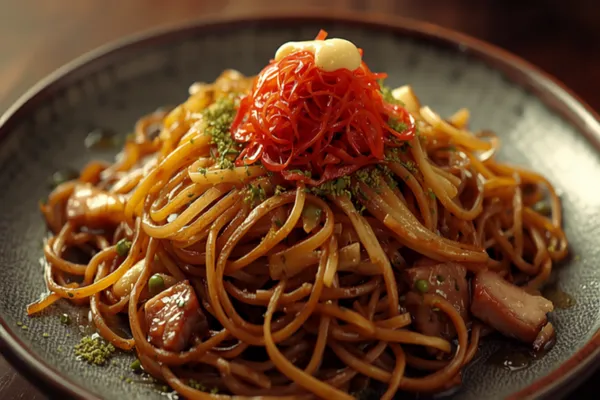
Griddled wheat noodles tossed with cabbage, pork, and a sweet-savoury yakisoba sauce, then finished with aonori, pickled ginger, and a squiggle of mayo. The smoky, saucy festival-stall classic you can make in fifteen minutes on a home stovetop.
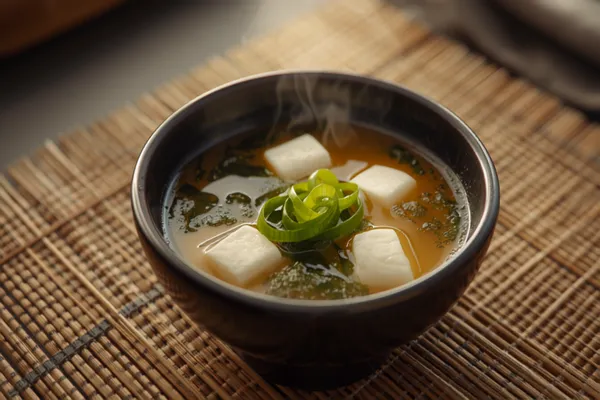
Japan (nationwide home cooking; a daily fixture from Hokkaido to Okinawa) · Japanese
Miso Soup (Miso Shiru with Dashi, Wakame & Tofu)
The quiet backbone of the Japanese table: a clear dashi broth loosened with miso and dotted with soft tofu, wakame, and scallion. Five minutes, a handful of ingredients, and a bowl that tastes like home.
Further reading
- Cultural Story · JapanA Complete Guide to Japanese CookingJapanese food is not one thing but a whole grammar — washoku and the everyday home meal, the umami of dashi, the discipline of rice, and a country of sharply distinct regions. A guide to the philosophy, the building blocks, and where to start cooking.
- Ingredient Deep Dive · JapanDashi: The Quiet Foundation Under Japanese CookingBefore miso soup, before noodle broth, before a hundred simmered dishes, there is dashi — the five-minute stock of kelp and dried fish that gives Japanese food its savory depth. Here's what it is, why it matters, and how to make it.